Learning Games Product Guide

12 Best Strategy Games for Kids in 2026: That Match Age to Challenge

Finding the best strategy games for kids means matching a game to a child's age and skill, so real decisions and planning stay fun instead of frustrating.

12 Best Strategy Games for Kids in 2026: That Match Age to Challenge editorial illustration

Many games marketed to kids as 'strategy' are either too luck-based to teach real planning or so rule-heavy that young players give up before the first round ends. The gap between what the box promises and what a 7-year-old can actually grasp is the biggest reason these games end up unused on a shelf, and the same gap is why the right pick becomes a weekly family habit.

The games that last balance real decisions with fast, forgiving rounds — enough choice that a good plan changes the outcome, simple enough that kids understand the rules after a single playthrough.

Match the game to your child's age and attention span, not to the label on the cover. A game that fits delivers genuine strategic thinking — planning, pattern recognition, and weighing options — skills that show up in the classroom long after game night ends.

#1

Ticket to Ride

Ticket to Ride

Route builders

Customer rating 4.9/5
Check Price

Worth Noting

  • For younger children, the small card size can make a full hand awkward to manage
Age Range
8+
Game Type
Competitive
Rules Complexity
Moderate
Educational Focus
Route planning, strategy
Read the full review

Ticket to Ride pairs a rulebook simple enough for an 8-year-old with route-building decisions that reward planning over luck. Players collect colored train cards and claim rail routes across a US map, and nearly every turn demands a judgment call — spend cards to lock in a line now, or save for a longer, higher-value connection. Thirty-to-sixty-minute rounds give two to five players room to develop real strategy without becoming a marathon, and the set-collection core builds the kind of forward thinking that carries into other games. Replay value marks the real strength — the map reshapes with every match, so the same players return week after week without stale sessions.

The game holds its appeal across repeated plays, and the premium components keep their quality through weekly handling. Best for families with children 8+ who want a planning-first centerpiece for game night, whether two players or a full table of five. Kids on the younger end of that range should be comfortable managing a small hand of cards, and the premium price suits buyers expecting years of replay rather than a one-season purchase.

Bottom line: A planning-first classic that turns a casual player into a strategist — the centerpiece for families ready to invest in a game with years of shelf life.

#2

Sequence for Kids

Sequence for Kids

Preschool starters

Customer rating 4.8/5
Check Price

Worth Noting

  • Kids around 8+ outgrow the thin decision space quickly.
  • Card stock is thin and can bend or tear with repeated handling.
Age Range
3-6
Game Type
Competitive
Rules Complexity
Simple
Educational Focus
Turn-taking, matching
Read the full review

No reading is required, which makes this the easiest path into turn-taking and basic planning for kids as young as three. Unlike the full-sized Sequence that fills a table with teams, this lighter card-matching game keeps two to four preschoolers focused on matching a card to a chip slot — a first step toward thinking one move ahead.

Best for families with children ages 3-6 and early-childhood classrooms, where no-reading play matters more than depth. Kids past eight will find the decision space thin, and the card stock bends under heavy handling — a fair trade for the earliest taste of strategic thinking.

Keep cards in the box and supervise rough play — thin stock bends with heavy use.

Bottom line: The right first board game for a preschooler: flimsy cards are the price of the earliest, most approachable strategic thinking.

#3

Monopoly Deal

Monopoly Deal

Quick card play

Customer rating 4.8/5
Check Price

Worth Noting

  • Card draws can swing a round's outcome, so skilled play does not always win
Age Range
8+
Game Type
Competitive
Rules Complexity
Simple
Educational Focus
Decision-making, tactics
Read the full review

Quick, travel-friendly card play that keeps strong decision-making inside a short session — property trading condenses into 15-minute rounds where each hand forces a choice between hoarding cash, collecting sets, or disrupting an opponent's plan. That decision density sits between the pure blocking of the simplest two-player strategy games and lengthier family titles.

Best for families with kids 8+ stepping into strategy card games, and for travel. Luck plays a real role — card draws can swing a round — so players comfortable with some variance will enjoy it; those seeking long-form depth should look elsewhere.

Bottom line: A compact card game that delivers real decision-making in a short session — ideal for travel and first-time strategy players rather than those chasing dense tactics.

#4

Forbidden Island

Forbidden Island

Cooperative teams

Customer rating 4.8/5
Check Price

Worth Noting

  • The opening rules feel dense for younger players; expect a practice round before the strategy lands
Age Range
10+
Game Type
Cooperative
Rules Complexity
Moderate
Educational Focus
Teamwork, planning
Read the full review

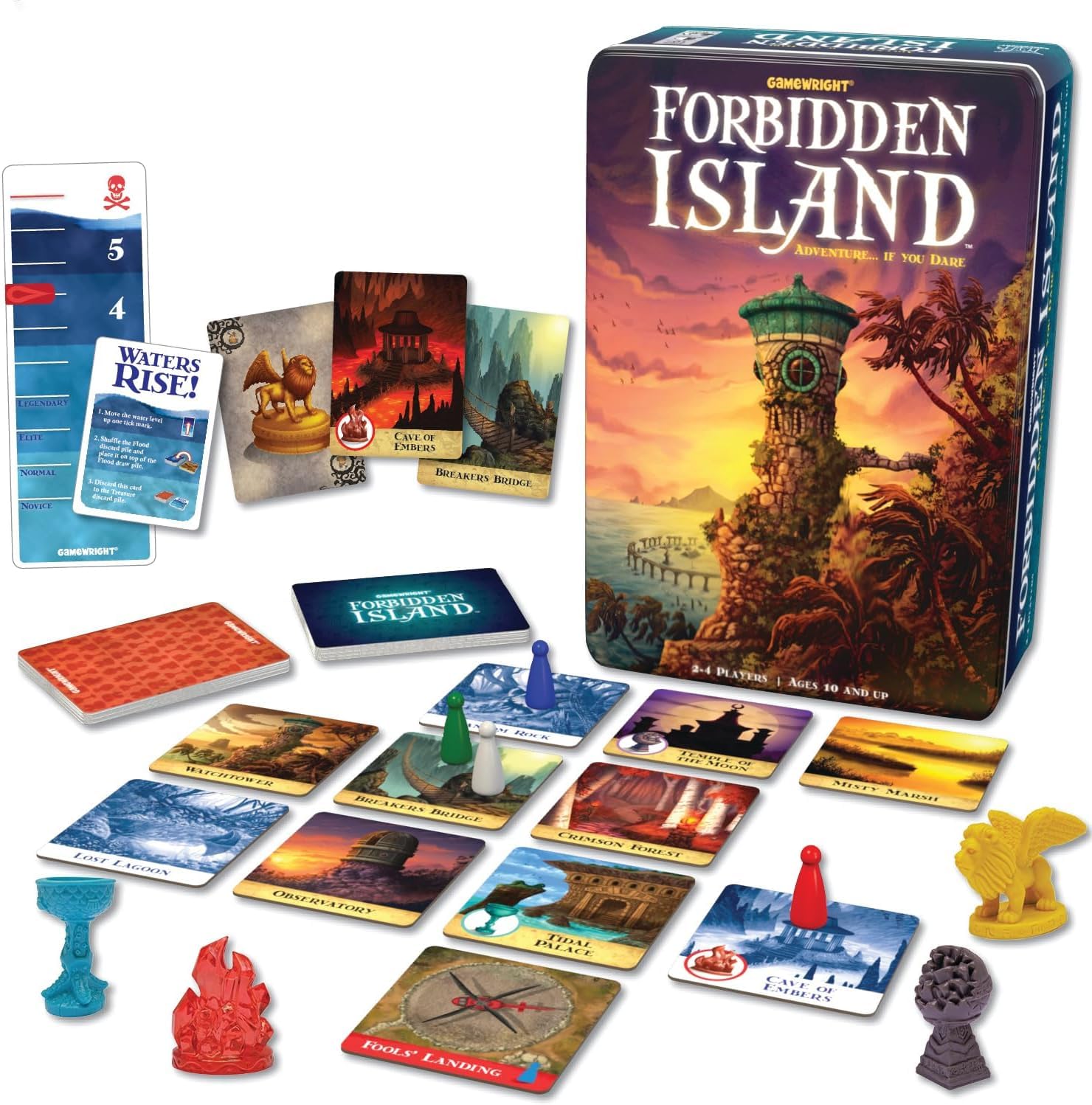
Forbidden Island turns strategic planning into a team effort — players work together to gather treasures and escape before the island floods, so no single child carries the sting of losing. Tile exploration and hand management reward deciding which islands to secure before the water rises.

This fits families with kids 10+ who prefer collaboration over direct competition, and it plays two to four, suiting steady small groups. Younger players lean on an adult to walk through the opening rounds, since the flood rules take a session or two to click.

Bottom line: When the goal is teaching older kids to plan together under real time pressure, Forbidden Island delivers a complete cooperative night at a mid-range price.

#5

Rummikub

Rummikub

Number planners

Customer rating 4.8/5
Check Price

Worth Noting

  • Yellow and orange tiles are hard to tell apart under warm lighting
Age Range
8+
Game Type
Competitive
Rules Complexity
Moderate
Educational Focus
Sequencing, patterns
Read the full review

Rummikub's tile-based sequencing delivers the same planning depth as the top pick but in tighter, faster rounds. Building runs and sets exercises pattern recognition and number sense, and the rules take minutes to explain. It suits multi-generational tables where grandparents and kids play on equal footing, keeping its place in the cabinet for years. The one boundary: yellow and orange tiles blend under some lighting, so color-blind players may struggle to sort their racks.

Bottom line: Multi-generational gatherings get genuine planning depth with minimal rules fuss — as lasting a strategy pick as any in this set.

#6

7 Wonders Duel

7 Wonders Duel

Two-player duels

Customer rating 4.8/5
Check Price

Worth Noting

  • Thin card stock crimps and wears at the edges with regular shuffling.
Age Range
10+
Game Type
Competitive
Rules Complexity
Complex
Educational Focus
Resource management
Read the full review

Three distinct victory paths — military, scientific, and civilian — force constant recalculation across a 30-minute session, a step up in tactical density from the family-favorite top pick. Play stays strictly head-to-head, with each new card drawn reshaping the board. Fast rounds, clear iconography, and high replayability make it a staple for committed dueling pairs.

Best for older kids 10+, teens, and adults who want a quick yet intellectual two-player game; those under 12 may find the rulebook heavy going across the first session, so it suits dueling households over casual or luck-driven groups.

Sleeve the cards to keep edges from crimping with regular shuffling.

Bottom line: For older kids and teens who want dense two-player tactics, this is the deeper alternative to the family-favorite pick — best when both players can commit to learning the rules.

#7

Jax Sequence

Jax Sequence

Large groups

Customer rating 4.8/5
Check Price

Worth Noting

  • Component quality can vary between units
Age Range
7+
Game Type
Competitive
Rules Complexity
Simple
Educational Focus
Team strategy, numbers
Read the full review

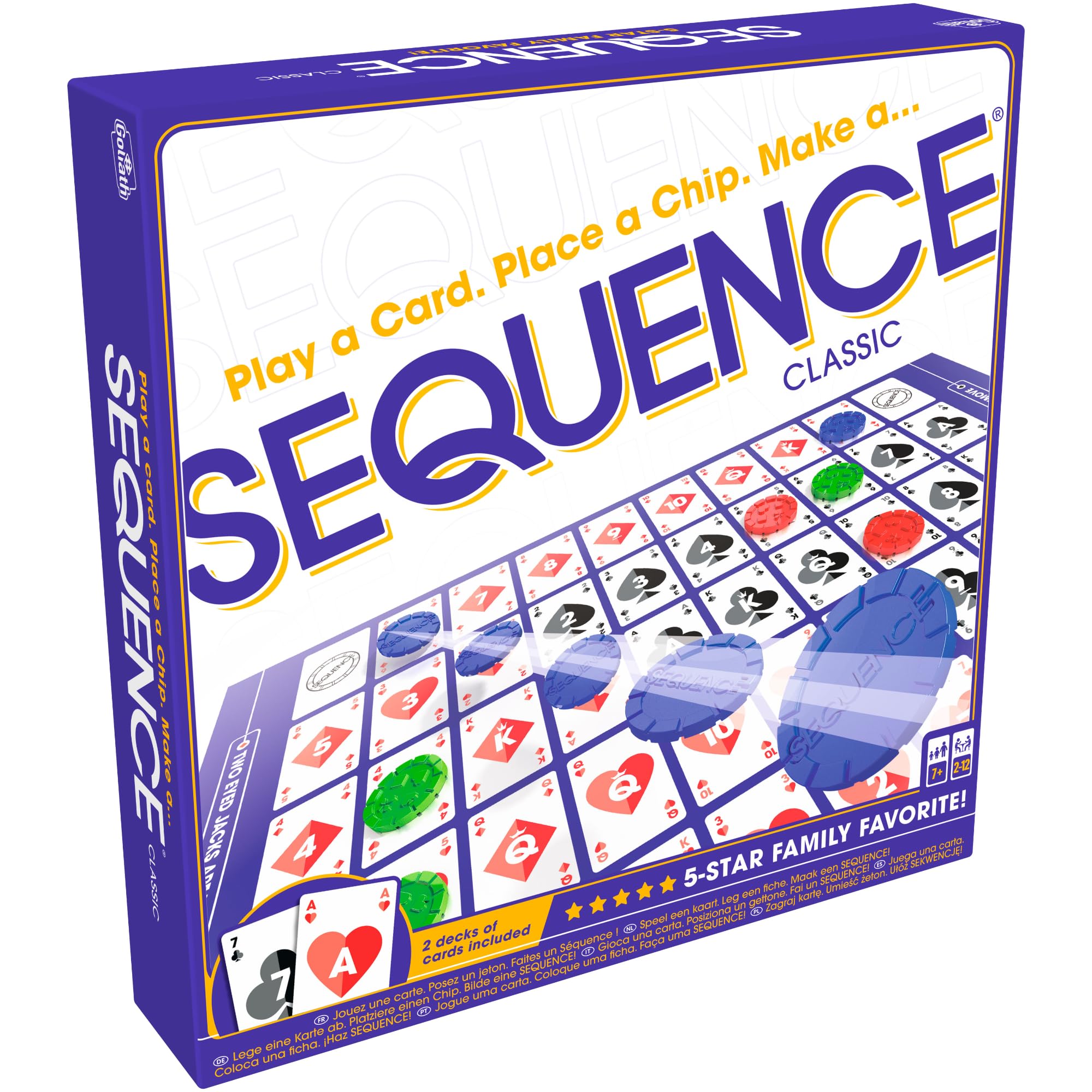
Teams of two race to line up five chips across the board, pairing simple matching with real hand-management choices that suit mixed ages. It brings the large-group dynamic the slimmer options in this set lack. Component quality varies across units, though — some copies arrive with thin cards and a board that may not sit flat.

Bottom line: Best when a large mixed-age group wants one game everyone can join at once — team play fills that role even if a given unit's board is not the sturdiest.

#8

Blokus

Blokus

Spatial thinkers

Customer rating 4.8/5
Check Price

Worth Noting

  • Supports only four players in a round, so larger gatherings need a second set to include everyone.
Age Range
7+
Game Type
Competitive
Rules Complexity
Simple
Educational Focus
Spatial reasoning
Read the full review

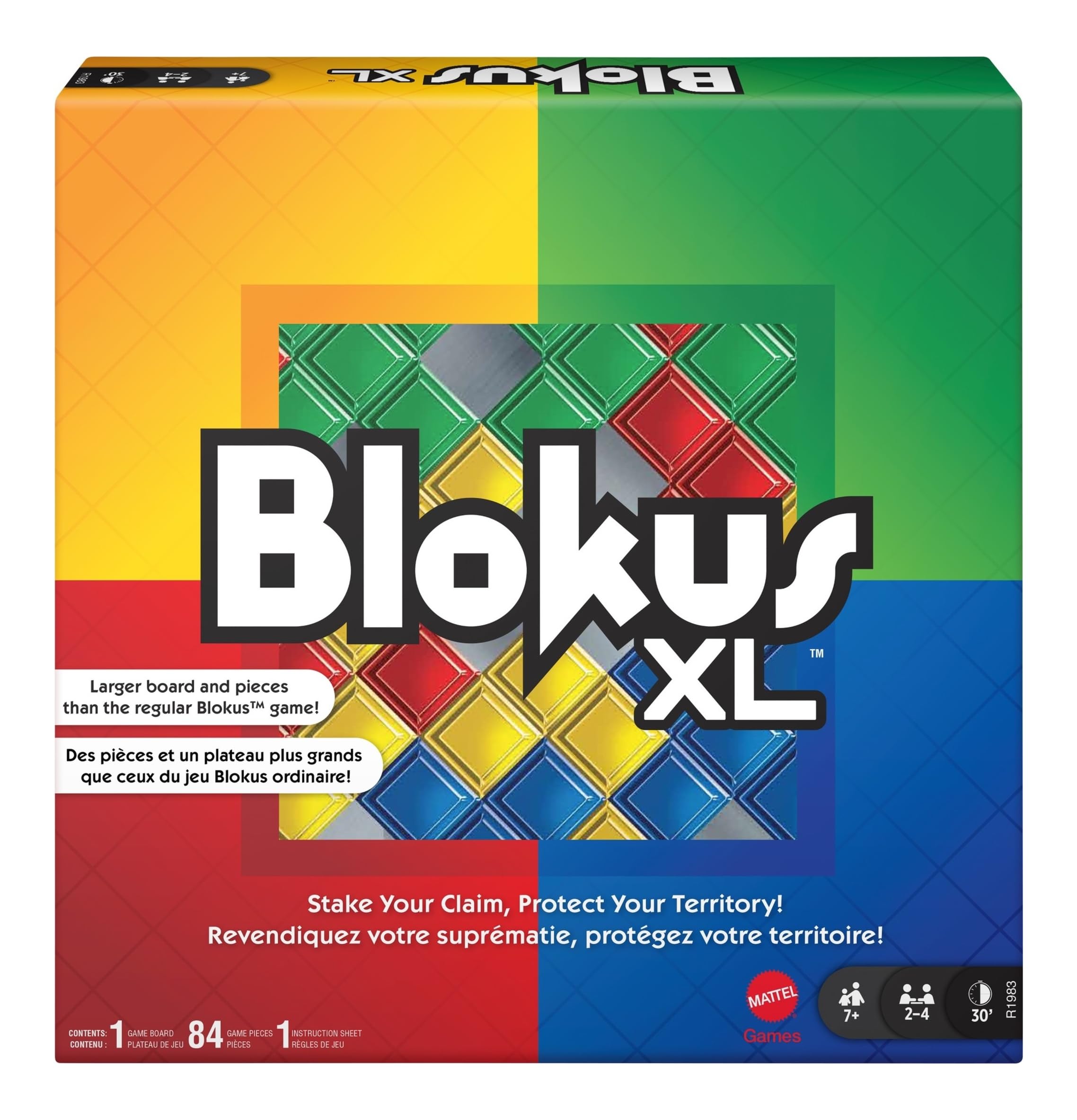
Color-coded tile placement teaches spatial reasoning with no reading required, and rounds stay quick for beginners. The pursuit is deliberately quiet and puzzle-like, so it rewards families who value spatial logic over big-group card nights, and the concept clicks best for ages 7 and up — younger kids may need a patient adult through the first placements.

Bottom line: Best for a parent or teacher building spatial-thinking muscles, where a focused, thinking-first round earns a regular slot.

#9

Sleeping Queens

Sleeping Queens

Math practice

Customer rating 4.9/5
Check Price

Worth Noting

  • Busy rulebook means kids closer to six need an adult for the first rounds.
Age Range
8+
Game Type
Competitive
Rules Complexity
Moderate
Educational Focus
Math, memory
Read the full review

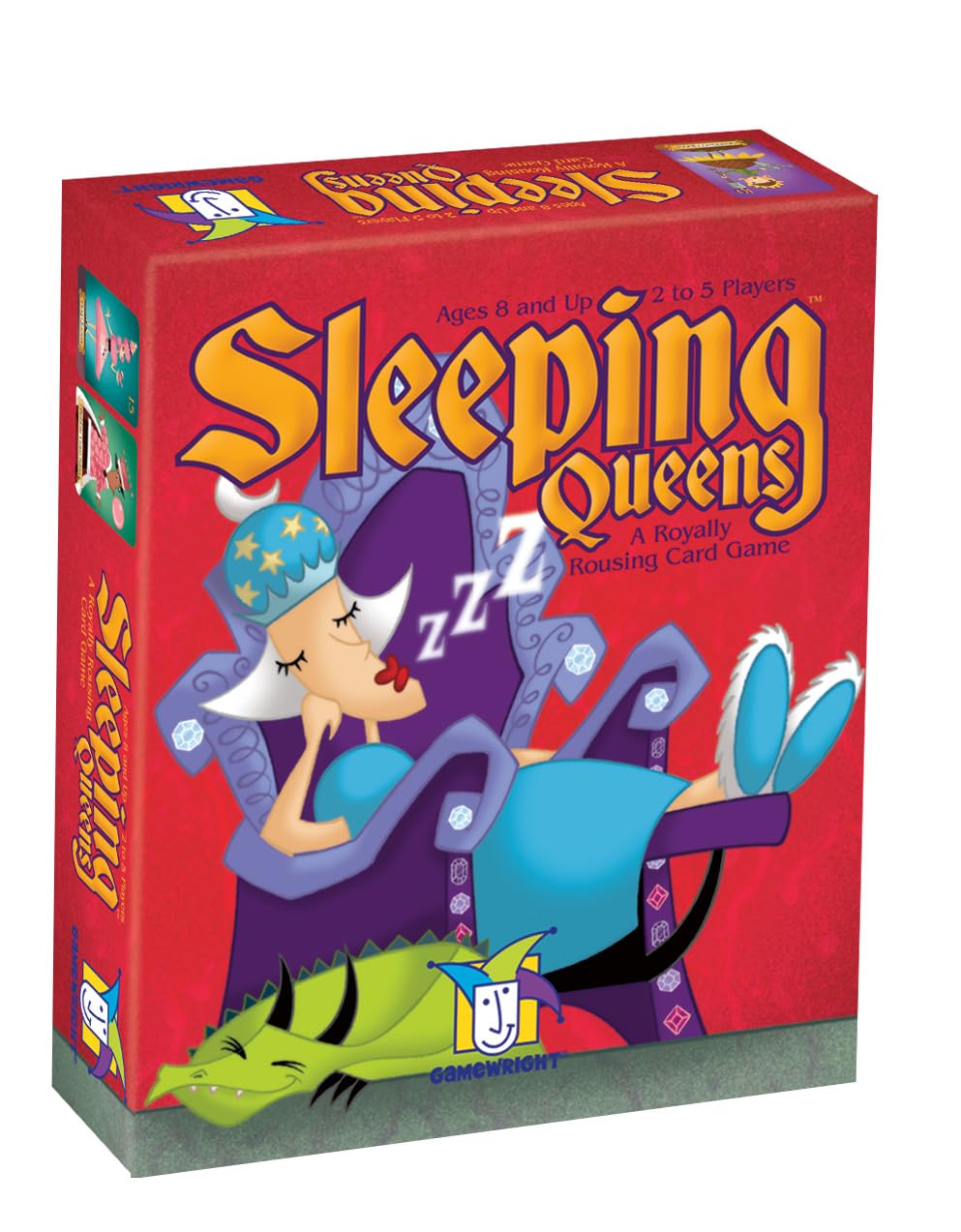
Fairy-tale charm makes arithmetic practice genuinely enjoyable, and 15-minute rounds suit screen-free family time. The busy rulebook means first games go smoothest with a parent guiding kids near six or seven; players eight and up master it quickly. The payoff is real math reinforcement, though the play stays more casual than the top picks.

Bottom line: Best for homeschooling families willing to lead one guided game; from there, kids 8+ handle it on their own.

#10

Mancala

Mancala

Counting practice

Customer rating 4.7/5
Check Price

Worth Noting

  • Folding board may not sit flat on tables, and the tray can split with heavy use.
Age Range
6+
Game Type
Competitive
Rules Complexity
Simple
Educational Focus
Counting, planning
Read the full review

The ancient counting-and-capturing game that builds planning muscles in two players — compact enough for travel and easy for ages 6+. The folding board may not lie flat and the tray can split under repeated use, so casual play suits it well. Strong on counting and capture logic for young strategists.

Bottom line: Best as a travel game or classroom counting aid, where a wobbly board is a minor tradeoff.

#11

Connect 4

Connect 4

Young learners

Customer rating 4.8/5
Check Price

Worth Noting

  • The thin plastic grid can flex under rough play
Age Range
6+
Game Type
Competitive
Rules Complexity
Simple
Educational Focus
Foresight, blocking
Read the full review

Connect 4 offers the simplest true-strategy experience available — matching discs requires no reading and almost no rulebook, just forward thinking about where a column will land. The thin plastic grid can flex under rough play, so it suits careful young hands; older kids outgrow the shallow strategy once they've grasped the blocking basics.

Bottom line: Best for budget-conscious families whose six-year-old is just learning to plan moves — the shallow strategy is outgrown quickly once that foundation lands.

#12

Qwirkle

Qwirkle

Pattern players

Customer rating 4.8/5
Check Price

Worth Noting

  • Red/orange and blue/purple tiles can blend together under some lighting
Age Range
6+
Game Type
Competitive
Rules Complexity
Simple
Educational Focus
Pattern recognition
Read the full review

Qwirkle tasks kids 6+ with matching shapes and colors into runs and sets, building planning and spatial logic without any reading. It earns high praise for being easy to grasp yet deep enough to reward careful pre-planning. The catch is color contrast: red/orange and blue/purple tiles can blend under some lighting, limiting appeal for color-blind players and dimmer settings.

Bottom line: Best for well-lit family and classroom settings without color-blind members, where the planning-and-pattern play delivers strong replay value for kids 6+.

How to Choose

Number of Players

Player count shapes how often your child actually makes a decision. Two-player games keep a child engaged almost constantly, while four-player games add longer waits between turns — and more downtime means more chances for a young player to lose focus.

Match the player count to your typical game night, not the maximum the box lists. A game that works for your actual crowd gets played; one that needs extra players usually sits idle.

Age Range

Age ratings reflect reading ability and abstract reasoning, not just maturity. Games labeled 8+ assume a child can read cards or count reliably, so a 6-year-old hits a wall within minutes.

A game rated slightly below your child's age will play smoother than one rated above. It builds confidence instead of frustration, which is exactly how a child grows into deeper strategy over time.

Playing Time

Session length decides whether a game fits a school night or becomes a weekend event. Fifteen-minute rounds let young kids finish, replay, and learn from mistakes in one sitting.

Sixty-minute games demand sustained focus most children under ten don't have yet. A game that runs long is more likely to be abandoned mid-way than finished, so shorter rounds usually win for younger players.

Rules Complexity

Complex rules carry a hidden cost: the first session becomes rule-teaching instead of playing. That learning curve is the top reason kids drop a 'strategy' game after one round.

The most durable games are easy to learn on round one but offer deeper choices as kids master the basics — the skill ceiling grows with the child. That rising difficulty is what keeps a game on the table for years.

Cooperative or Competitive

Cooperative games let kids talk through strategy out loud without the sting of losing, because the team wins or loses together. Competitive games sharpen decision-making under pressure but can overwhelm a sensitive child.

Choose the style that fits your child's temperament. A talk-it-out player thrives cooperatively, while a self-driven player wants the head-to-head thrill of beating an opponent.

Educational Focus

Strategy games build transferable skills — planning, sequencing, pattern recognition, and weighing trade-offs — when the thinking is built into the play, not bolted on.

Games marketed purely as 'educational' often sacrifice fun, and a bored child learns nothing. If the game is genuinely enjoyable, the skill practice happens naturally with every replay.

Frequently Asked Questions