Books & Reading Product Guide

9 Best Phonics Books for Kindergarten in 2026: True Decodables

Which kindergarten phonics books actually teach letter-sound decoding, and which character sets only masquerade as reading practice.

9 Best Phonics Books for Kindergarten in 2026: True Decodables editorial illustration

Many phonics books aimed at kindergarteners lean on beloved characters and bright covers, yet pack in irregular sight words a five-year-old cannot sound out yet. The result is a child who memorizes the storyline rather than learning the letter-sound patterns underneath. It reads like the right tool, but it does not build decoding skill.

Phonics that works uses controlled text — short sentences built from CVC words and letter sounds taught in sequence — so a beginner can actually blend each word. That distinction, not the character on the cover, determines whether a set teaches reading or merely entertains.

The practical difference shows up within the first few pages: a true decodable lets a child succeed on their own, while an entertainment-first set stalls until an adult supplies the words.

#1

Bob Books Set 1

Bob Books Set 1

Absolute beginners

Customer rating 4.8/5
Check Price

Worth Noting

  • Compact 5.5-inch books can be hard for young children with developing fine motor skills to hold.
Decodability
True CVC decodables
Build Quality
Small paperback
Books Or Lessons
12 books
Character Appeal
None, simple art
Read the full review

Nearly every word in this 12-book box set follows the letter-sound rules taught earlier in the sequence, so a kindergarten beginner can decode the first book within days of learning a handful of sounds. Each volume introduces one or two new sounds plus a few sight words, keeping the reading load small while still completing a real story. The tight progression removes the guesswork: the child is never asked to sound out a word whose pattern has not been introduced. That first finished book is a moment of genuine independence for a child who has never read alone.

Bob Books Set 1 is the right starting point for kindergarteners who know letter names but have not yet blended sounds, and for homeschooling parents who want a clear sequence to follow without planning lessons. The tradeoff is the compact 5.5-inch format: it suits lap and table reading, but for young children with developing fine motor skills the small books can be harder to hold while pointing at words. Kids who prefer large picture books will find the format spare, though the payoff is decoding rather than illustration.

Bottom line: When a kindergartener knows letter names but cannot yet blend them, this is the box set to begin with; the follow-up set carries the same decodable method forward.
#2

Bob Books Set 2

Bob Books Set 2

Emerging readers

Customer rating 4.9/5
Check Price

Worth Noting

  • For small hands, the compact page size can be tricky to hold and turn on a lap
Decodability
True decodable text
Build Quality
Small paperback
Books Or Lessons
12 books
Character Appeal
None, simple art
Read the full review

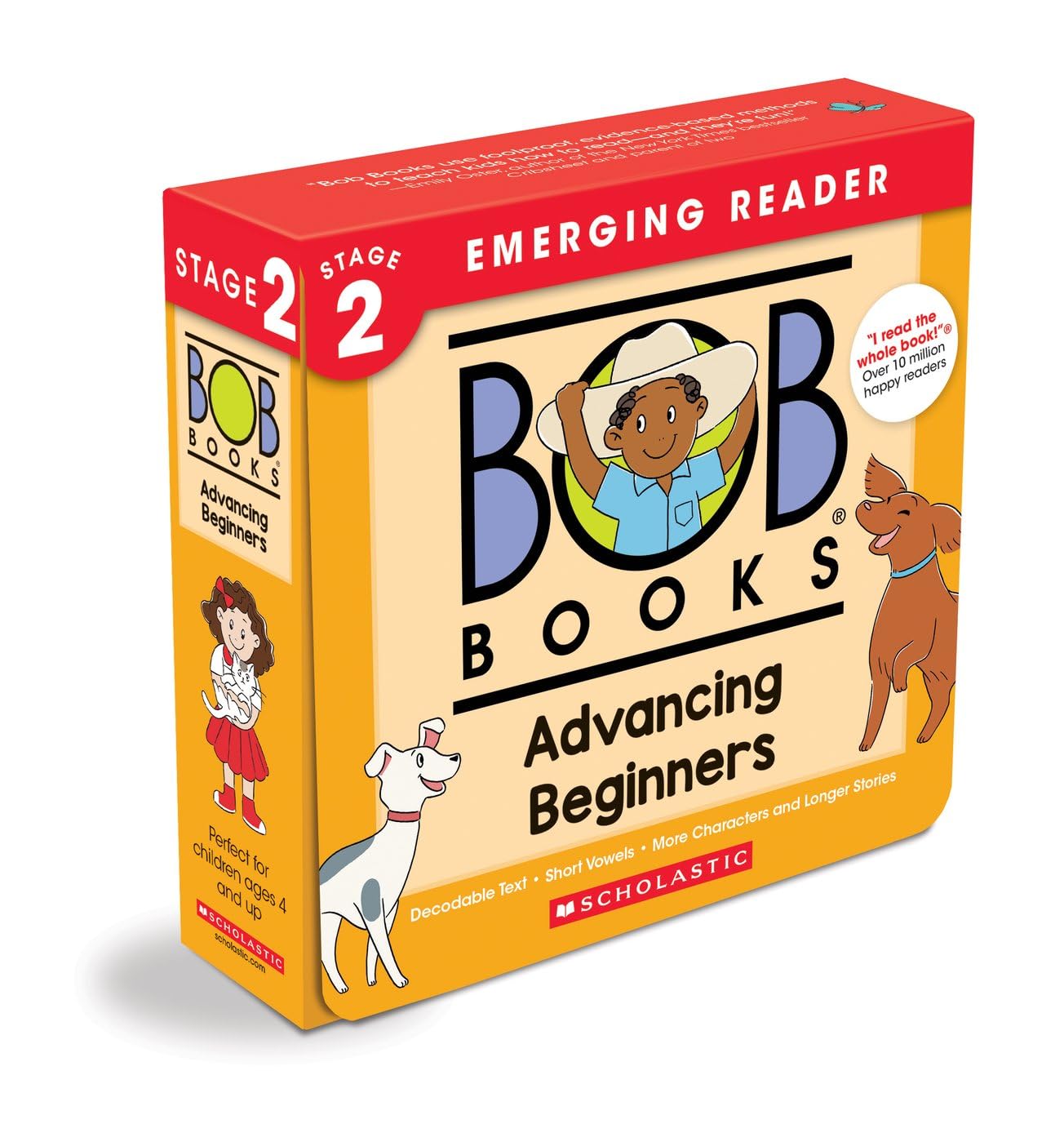
The natural step up in the Bob Books system, this twelve-book set moves graduates of Set 1 into slightly longer words and fuller sentences while keeping the same strict decodable structure. Words that once looked long become manageable as each book adds a touch more length without abandoning the letter-sound rules that built the first set's success.

Bring this home after Set 1's CVC words are solid — it is built for the emergent reader who needs a gentle challenge, not the absolute beginner still learning letter sounds. Families already following the Bob Books sequence will find the jump in difficulty measured and consistent.

Bottom line: A measured, consistent follow-up that advances Bob Books graduates at a steady pace — most valuable to families already working through the system, and only once Set 1 is complete.

#3

Learn to Read Activity

Learn to Read Activity

Structured lessons

Customer rating 4.7/5
Check Price

Worth Noting

  • The workbook drills sound rules but offers no reading text of its own, so a separate decodable story set is still needed.
Decodability
Systematic letter patterns
Build Quality
Paperback workbook
Books Or Lessons
101 lessons
Character Appeal
None
Read the full review

For parents ready to teach, this 222-page book delivers 101 scripted phonics lessons, each laid out step by step so no teaching experience is required. Games and puzzles keep every session lively, and the sequence moves from letter sounds through blending in one deliberate order.

This suits homeschoolers and families able to commit to regular guided sessions, where the parent-led format is exactly the appeal. It is a lesson program rather than a storybook set, so children already ready to read alone will get more from the decodable storybook pick; its strength lies in showing a parent precisely what to teach.

Keep each sitting to about ten focused minutes — short sessions hold a young child's attention far better than a long one.

Bottom line: As long as a parent can lead short daily sessions, this one book supplies the full curriculum and removes the guesswork from teaching at home.

#4

Carson Dellosa Phonics

Carson Dellosa Phonics

Daily practice

Customer rating 4.7/5
Check Price

Worth Noting

  • Practices skills taught elsewhere rather than introducing new sounds
Decodability
Phonics skill practice
Build Quality
Paperback workbook
Books Or Lessons
64-page workbook
Character Appeal
None
Read the full review

64 pages of age-appropriate games and puzzles give kindergarteners daily phonics practice at a budget price. Unlike a parent-led lesson program, this workbook needs no teaching script — tracing, matching, and sound-puzzle activities are ready to hand over to any child who can follow simple instructions.

This suits kindergarteners who need extra practice, and it slots easily into homeschooling or classroom routines as supplemental work. Children who prefer storybooks over worksheets will find little appeal here, and occasional copies arrive with missing letters or page errors, so a quick flip-through before use is a sensible check.

Bottom line: Best for families and classrooms wanting extra, low-cost practice that children can tackle on their own.

#5

Paw Patrol Phonics

Paw Patrol Phonics

Paw Patrol fans

Customer rating 4.6/5
Check Price

Worth Noting

  • In a child's hands, the thin stitching and small 5.5-inch format feel delicate, and occasional sets arrive missing a title
Decodability
Mixed with sight words
Build Quality
Thin, small books
Books Or Lessons
12 mini-books
Character Appeal
Paw Patrol
Read the full review

The Paw Patrol cast gives this set its pull: children who resist a structured program's plain pages will reach for these because the characters already matter to them. That appeal makes it a motivational supplement rather than a true decodable sequence, since the text leans on sight words and irregular character names. It suits a child who has the basics of letter sounds and needs a nudge to practice.

Best for Paw Patrol devotees who need extra motivation, this budget set pairs character loyalty with easy-to-read sentences. The thin 5.5-inch books are less durable and smaller than the top pick, a tradeoff worth weighing against the enthusiasm they generate.

Have your child read with the book on a flat surface; the thin stitching holds up best with gentle handling.

Bottom line: Right for Paw Patrol fans who need a push to practice, this set works best paired with a structured decodable program rather than standing alone.

#6

Edulok Phonics Flip

Edulok Phonics Flip

Hands-on learners

Customer rating 4.7/5
Check Price

Worth Noting

  • Children who expect a conventional storybook's page-turning rhythm may not engage with the flip-card layout.
Decodability
Word family based
Build Quality
Cardboard
Books Or Lessons
30 flip books
Character Appeal
None
Read the full review

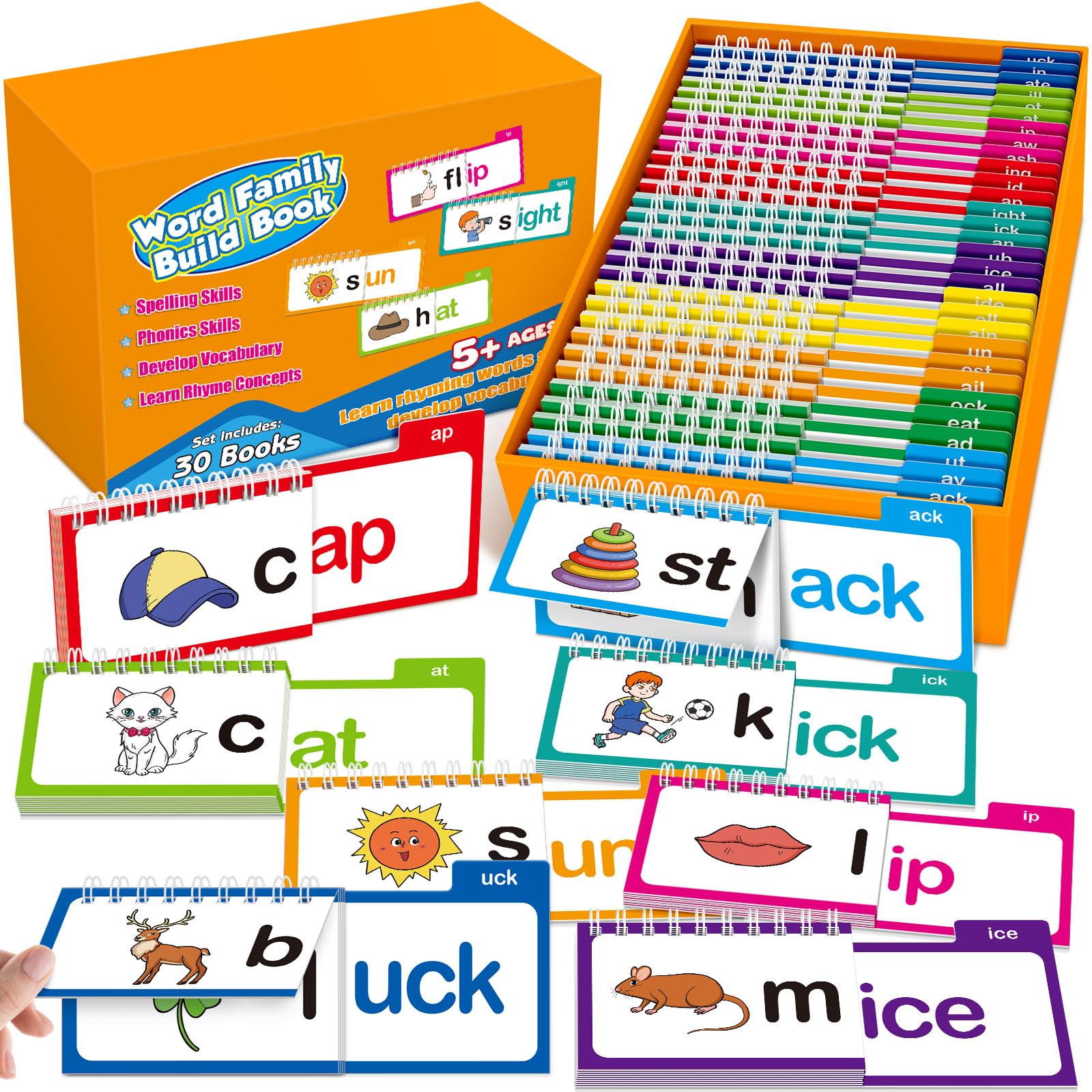
Differently from the parent-guided lesson program that runs on scripted drills, this set hands children thirty flip books and lets them build word families by matching and flipping letter cards — phonics practice that becomes a physical activity rather than a seated story. Kinesthetic learners who lose focus during read-alouds stay engaged by manipulating the sturdy pieces. Best for kinesthetic learners, not every child, it suits homeschool setups where letter-sound instruction already happens; at a premium price for a non-book format, it earns its keep as a supplement rather than a primary teaching tool.

Bottom line: For homes that already teach letter sounds and need a hands-on way to keep an active child practicing between lessons, this flip-book set fills that role better than any conventional reader.

#7

Peppa Phonics

Peppa Phonics

Peppa Pig fans

Customer rating 4.8/5
Check Price

Worth Noting

  • Children needing a structured phonics path will find the progression looser than true decodable sets
Decodability
Mixed with sight words
Build Quality
—
Books Or Lessons
12 mini-books
Character Appeal
Peppa Pig
Read the full review

Peppa Pig charm gives this set real pull — the simple wording lets kindergarteners read without demanding much prior skill, and confidence builds with each short book. Compared to the systematically decodable Bob Books, progression here is looser, so it suits Peppa fans rather than kids who need a structured phonics sequence.

Bottom line: Best when your child loves Peppa and needs a gentle, motivating start — choose a structured decodable set once they are ready to advance.

#8

Pete the Cat Phonics

Pete the Cat Phonics

Pete the Cat

Customer rating 4.7/5
Check Price

Worth Noting

  • Irregular, non-decodable words can stall a child who only knows basic letter sounds.
Decodability
Not true decodables
Build Quality
—
Books Or Lessons
12 mini-books
Character Appeal
Pete the Cat
Read the full review

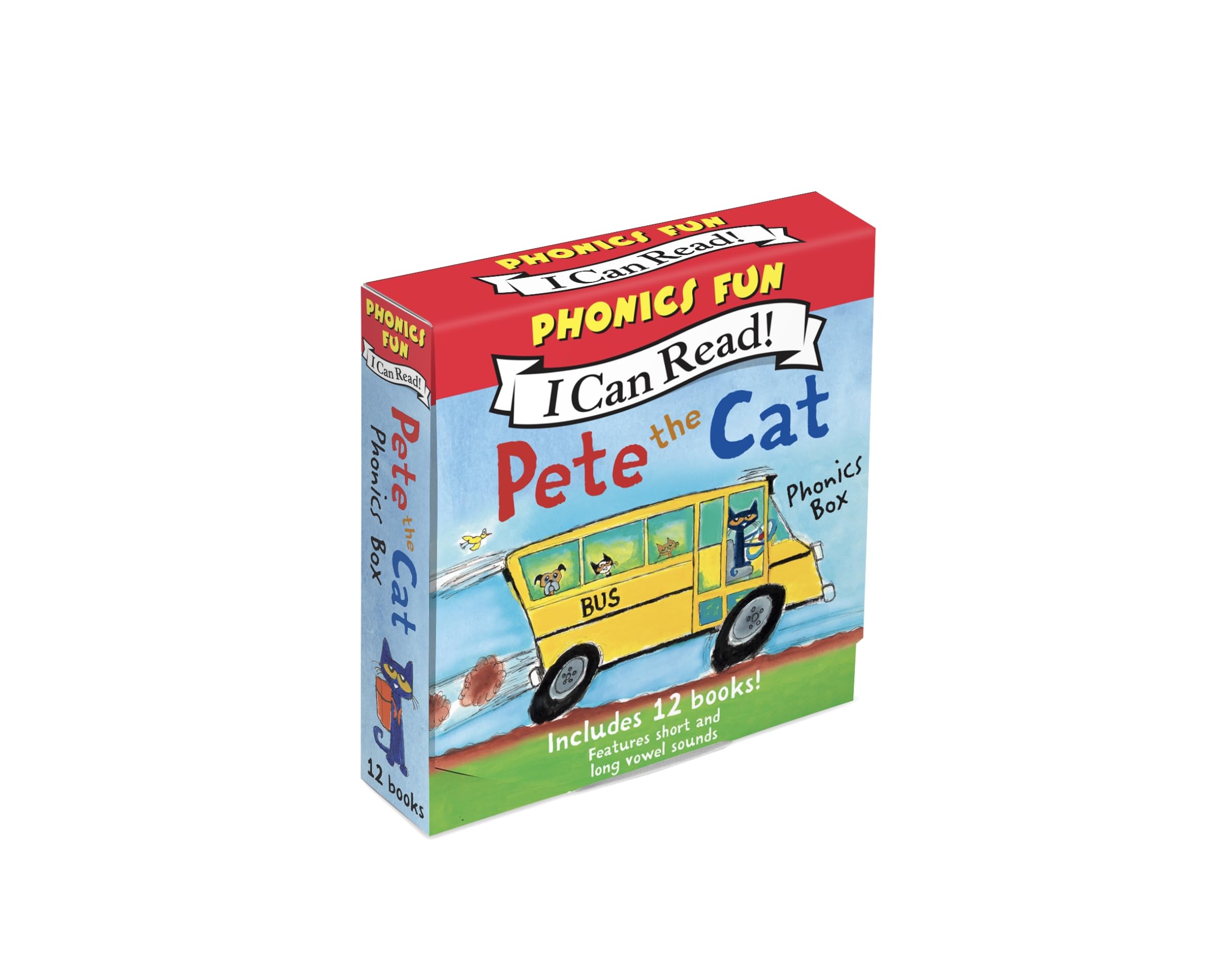
Pete the Cat's cheerful art plus twelve mini-books give kids who already know basic letters useful sight-word practice. But this is not systematic phonics: irregular, non-decodable words abound, and some bundles include duplicate books. For a Pete fan past the first sounds, it's a fun supplement; strict decodable progression belongs to the Bob Books Set 1.

Bottom line: Buy this for a Pete the Cat devotee who already knows letter sounds and needs motivation to practice sight words; reach for a true decodable set, like Bob Books, for a beginner still learning to blend.

#9

Pinkalicious Phonics

Pinkalicious Phonics

Pinkalicious fans

Customer rating 4.7/5
Check Price

Worth Noting

  • Not for children still mastering letter sounds
Decodability
Not true decodables
Build Quality
—
Books Or Lessons
12 mini-books
Character Appeal
Pinkalicious
Read the full review

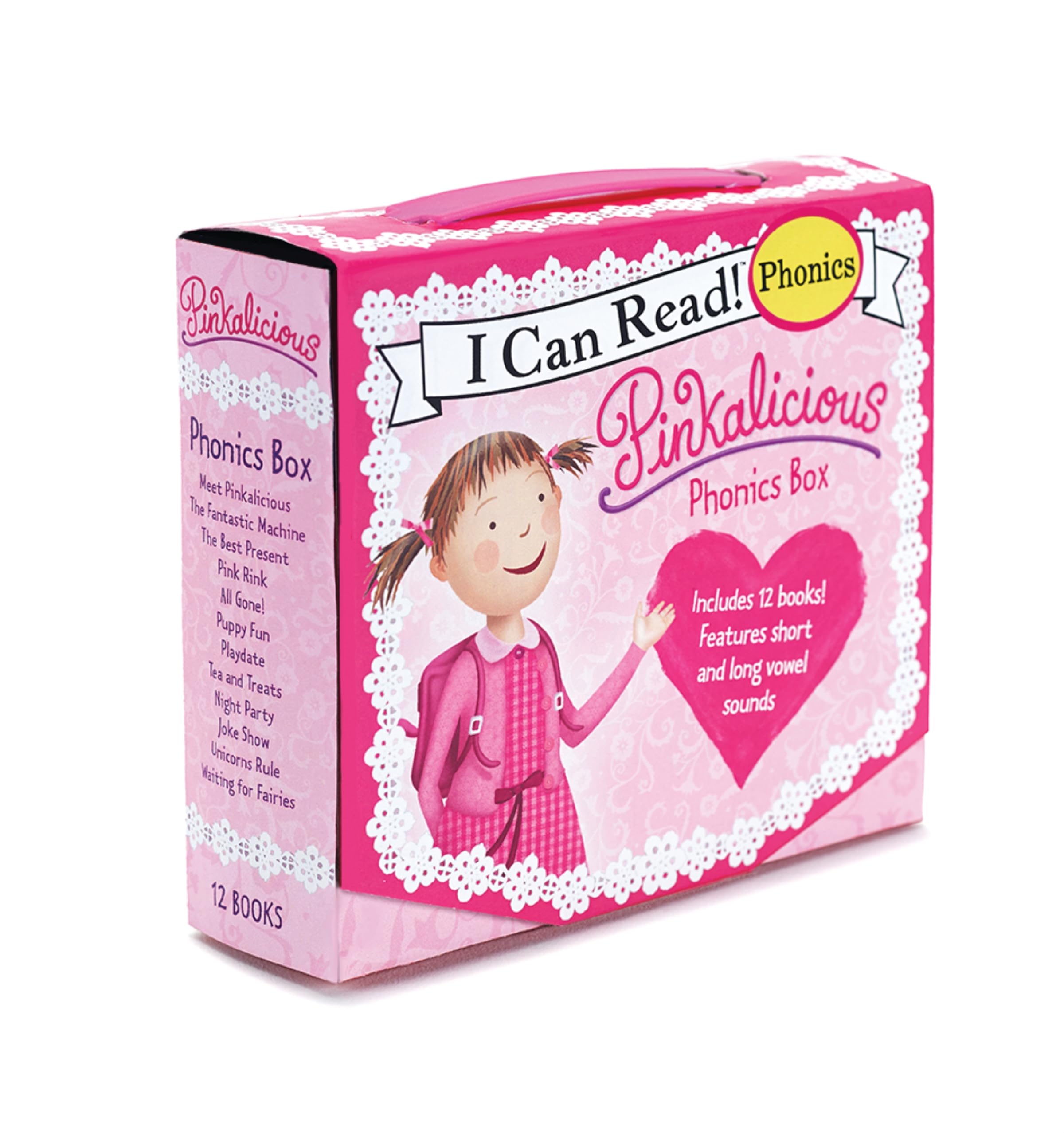
Pinkalicious's cheerful art and familiar character keep kids who already know their letter sounds happily sounding out simple words. But despite the phonics label, some books rely on made-up words like 'pinkalicious' and complex vocabulary, so absolute beginners can't decode them independently. That makes this a motivation booster for confident early readers rather than a true teaching sequence.

Bottom line: Worth it for Pinkalicious fans who already grasp basic letter sounds and want engaging practice — pass if your child still needs to learn the alphabet.

How to Choose

Decodability

True decodable readers restrict text to letter-sound patterns a child has already learned, starting with CVC words like 'cat' and 'mat.' A set leaning on irregular sight words forces memorizing whole words instead of blending sounds, which stalls decoding once vocabulary grows.

The tell is simple: open a page and count how many words follow the phonics rules your kindergartner knows. If half the words need prior memorization — 'said,' 'the,' 'you' — the book entertains rather than teaches decoding.

Level Progression

Progression determines whether a child meets early success or hits a wall. The strongest sets advance in small increments — adding a few new letter sounds per book while keeping the rest familiar. A set that jumps from three-letter words to full sentences with digraphs too quickly forces a child to guess from pictures.

Look for a sequence that adds one or two sounds at a time, so each new book reuses what the previous one built. That recycling is what turns practice into mastery rather than frustration.

Set Size

Set size is really a pacing decision. Twelve short books suit a child who reads one a day for a few weeks, while a 101-lesson program distributes practice across a full school year.

A workbook format demands daily parent-led sessions, whereas a box set can be handed to a child independently. The choice depends on how much structured time your household has each day.

Character Appeal

Character appeal is a double-edged sword. A familiar face can pull a reluctant reader to the shelf, but character-driven sets tend to prioritize story over phonetic control, padding pages with irregular words. The engagement buys patience; it does not replace a decodable sequence.

The practical test: character books work as motivation for a child who already grasps some letter sounds, but for an absolute beginner they often mask a lack of true progression.

Build Quality

Physical durability matters more in kindergarten than at any other stage, since five-year-olds turn, drop, and bend pages. Several popular box sets use thin paperbacks around 5.5 inches — easy for small hands but prone to bending spines and tearing pages with daily use.

Heavier card-stock or laminated formats last longer but cost more and take up more space. If the books will live in a backpack or face rough handling, weigh the thinner budget sets against the durability you actually need; a set that falls apart in two weeks is no bargain.

Frequently Asked Questions