Books & Reading Product Guide

11 Best Books for 4Th Graders 2026: Match Their True Reading Level

Find the best 4th grade books for your child's specific reading level and taste, focusing on page count, format, and subject matter to avoid mismatches.

11 Best Books for 4Th Graders 2026: Match Their True Reading Level editorial illustration

Fourth grade is a turning point. Kids leave early chapter books behind, but not every book labeled for 4th grade matches a 9-year-old's actual reading ability or emotional maturity. A beloved classic or award winner isn't automatically the right fit.

The real challenge is that grade-level labels are broad, and a title that works for one child may frustrate another. This guide helps you cut through the guesswork by focusing on reading age, page count, format, and subject matter—so you pick a book that your fourth grader will actually finish and enjoy.

Whether your child is a voracious reader or needs a hook, understanding a few simple specs will help you choose a title that fits both ability and interest. The result is less shelf-cluttering and more reading.

#1

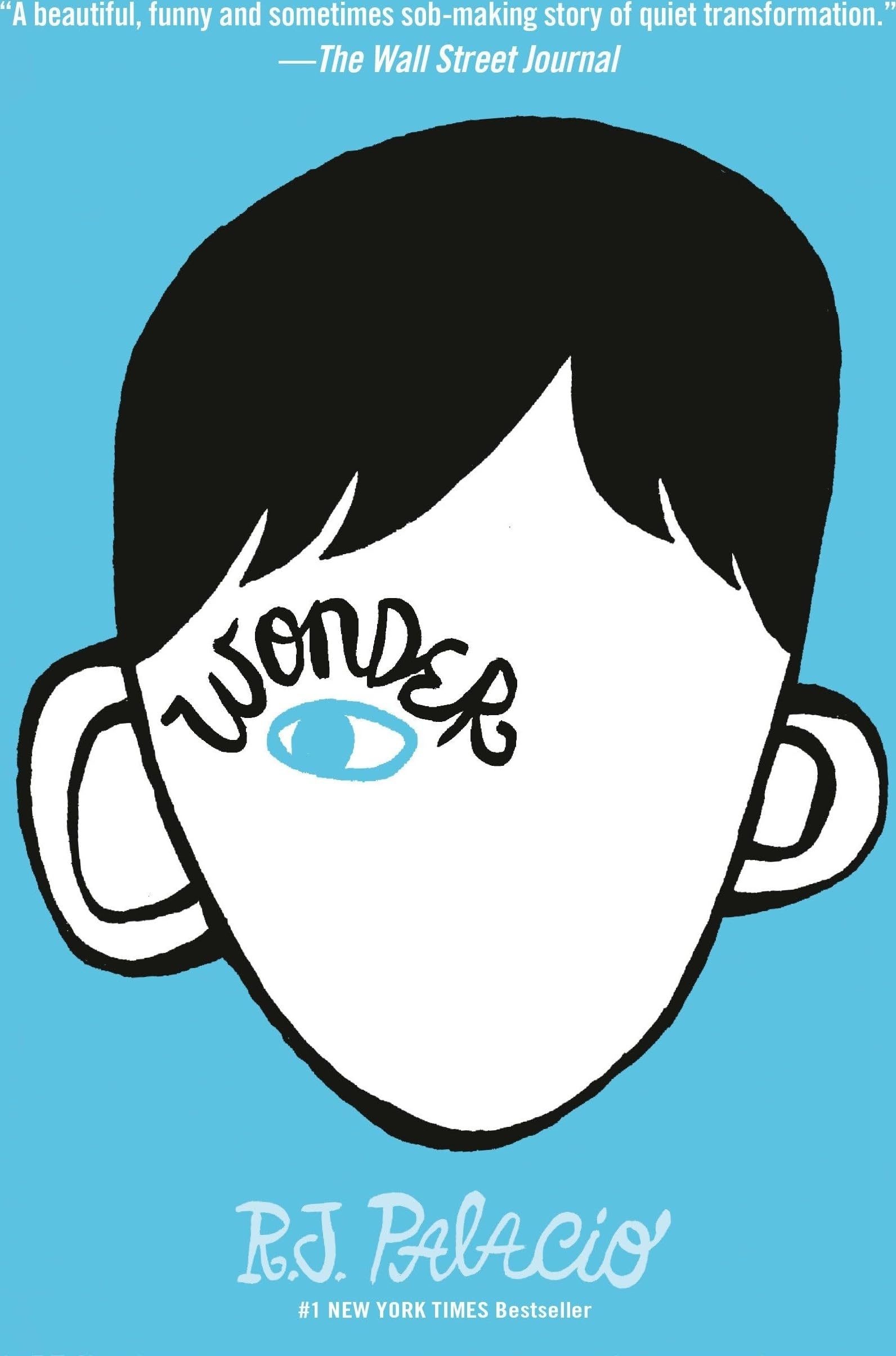
Wonder

Wonder

Empathy building

Customer rating 4.7/5
Check Price

Worth Noting

  • A child who needs nonstop action will find the reflective chapters move too slowly
  • In the hands of a highly sensitive child, the bullying and facial-difference scenes can feel heavy and land with real emotional force
Format
Single
Book Length
320 pages
Reading Level
Ages 9-11
Subject Matter
Realistic fiction
Read the full review

Wonder builds its story through multiple narrators, giving readers a front-row seat to Auggie Pullman's first year in a mainstream school after years of homeschooling. Each voice — Auggie, his sister Via, and classmates like Jack and Summer — reframes the same events from a different angle, so empathy becomes an active exercise rather than a stated theme. That rotating structure separates it from single-narrator survival adventures elsewhere in this set, trading breathless action for layered character observation. By the time the perspectives start to converge, the reader has built a fuller picture than any one viewpoint could offer, and the kindness message lands with force because it was discovered rather than lectured.

The book earns its place in classroom read-aloud rotations, sparking conversations about bullying, kindness, and difference that carry past the final page. Short chapters and clean prose keep 9- and 10-year-olds moving through all 320 pages, and the emotional payoff arrives through small, cumulative insights rather than a single plot twist. The weight of Auggie's situation holds attention on its own — no chase scenes or cliffhangers needed, which suits a group read where every child keeps pace from the first chapter to the last.

This is the pick for families and classrooms planning to read alongside, because the story addresses bullying and the social weight of a facial difference — topics that stay manageable when a trusted adult is in the room. Kids who enjoy character-driven fiction with real emotional stakes will find a world to live inside for a few weeks. Save it for a reader ready to slow down and sit with discomfort rather than race to a happy ending.

Bottom line: The empathy-building anchor for a 4th grade classroom or family book club — best as a shared read-aloud that turns hard topics into starting points for conversation.

#2

Hatchet

Hatchet

Adventure seekers

Customer rating 4.7/5
Check Price

Worth Noting

  • No fantasy or imaginary subplots
  • Repetitive passages can slow the momentum between major survival events
Format
Single
Book Length
192 pages
Reading Level
Ages 9+
Subject Matter
Survival adventure
Read the full review

Brian's fight to survive a plane crash in the Canadian wilderness grabs hold from the first chapter and never loosens its grip. Thirteen-year-old Brian lands alone with nothing but a hatchet, and each chapter turns the fight for food, shelter, and rescue into urgent, physical action. Where the top pick builds empathy through multiple perspectives, this story drops readers straight into high-stakes survival from a single point of view.

This is the right fit for reluctant readers — especially boys who need constant action to stay engaged — and for outdoor enthusiasts curious about real survival methods. The pacing can feel repetitive in stretches, so it rewards kids who accept a slower build between emergencies over those demanding nonstop momentum, and the budget price makes it a low-risk try for a child who has resisted chapter books.

Bottom line: For a reader who wants urgent survival action over emotional arcs, this budget-priced classic delivers a gripping story that carries reluctant readers to the final page.

#3

Holes

Holes

Mystery plot

Customer rating 4.7/5
Check Price

Worth Noting

  • A 4th grader still building fluency may need vocabulary help where the text runs at a 5th–6th grade level.
Format
Single
Book Length
288 pages
Reading Level
Ages 9+
Subject Matter
Mystery
Read the full review

Holes pays off every thread of its interlocking plot — a boy's digging sentence at Camp Green Lake, a family curse, and a wrong committed generations earlier all converge before the close. Where the survival adventure in this set runs in a straight line, this story asks readers to hold the past and present together and trust that the scattered pieces will connect; the payoff for that patience lands harder than any single action scene, and the late twist re-frames everything that came before.

The right fit is a 4th grader drawn to mystery and willing to sit with a story that weaves past and present together; the non-linear structure can disorient struggling or impatient readers in the opening chapters before the threads converge. Readers who want a straight chronology may bounce off the time jumps, while those who stick with it come away with more than the surface premise suggests.

Bottom line: The rare Newbery winner that plays like pure entertainment — ideal for a 4th grader who wants reading to hinge on solving a puzzle.

#4

The Wild Robot

The Wild Robot

Sci-fi nature

Customer rating 4.8/5
Check Price

Worth Noting

  • The reflective, nature-centered storytelling won't satisfy kids chasing non-stop, high-stakes thrills
  • Opening chapters unfold at a leisurely pace, so readers who want conflict right away may need a nudge past the setup
Format
Single
Book Length
320 pages
Reading Level
Ages 7+
Subject Matter
Sci-fi nature
Read the full review

Roz, a robot, wakes alone on a wild island and must learn to survive among the animals — a premise that keeps sci-fi fans and animal lovers equally hooked. Peter Brown pairs the survival setup with short chapters and a warm, observational tone, so the pacing stays approachable even as the stakes build. This is the softer counterpart to the hard-charging wilderness adventure in this set, favoring quiet observation over relentless chase scenes.

The Wild Robot fits science-fiction fans, animal lovers, and hesitant readers who enjoy robots and don't need non-stop explosions. The opening chapters move slowly, so kids who want instant action may need a nudge past the first few — patient readers are rewarded with a richer, more thoughtful story once the island adventure gains momentum. Warm themes of belonging and care for living things give families plenty to discuss after each chapter.

Encourage a reluctant reader to stick with the early chapters — once Roz befriends the island animals, the story pulls them forward.

Bottom line: A thoughtful bridge between robot sci-fi and animal stories — the right fit for readers who want substance over spectacle and don't mind a story that warms up gradually.

#5

Number the Stars

Number the Stars

Historical fiction

Customer rating 4.7/5
Check Price

Worth Noting

  • Rated for grades 5–7, the vocabulary sits at the upper edge
Format
Single
Book Length
160 pages
Reading Level
Ages 9+
Subject Matter
Historical fiction
Read the full review

Ten-year-old Annemarie's friendship with her Jewish neighbor sets the Nazi occupation of Denmark in a frame a 4th grader can step into — the war unfolds through hidden shoes, whispered words, and a daring escape by sea. Lois Lowry's prose stays plain and direct, letting the moral weight arrive through small gestures rather than graphic scenes. Short chapters and modest vocabulary keep the pages turning, and the rescue's everyday courage — lying to soldiers, smuggling a handkerchief — makes heroism feel reachable.

History teachers pairing a WWII unit with this novel get questions about courage and rescue rather than lectures. It suits a classroom where an adult can fill in the occupation context — a 4th grader reading alone may miss why the rescue mattered. For readers drawn to historical heroes, it delivers that without preaching; those wanting contemporary settings should look elsewhere, since 1943 Copenhagen is the landscape here.

Bottom line: For a 4th grader already curious about WWII or a history-led classroom, this is the accessible entry into war fiction — the moral weight lands without overreach.

#6

Trapped in a Video Game

Trapped in a Video Game

Reluctant readers

Customer rating 4.8/5
Check Price

Worth Noting

  • The full five-book set is premium-priced, a real upfront investment.
  • For readers wanting a story with emotional weight, the constant comedy keeps things light.
Format
Boxed set of 5
Book Length
—
Reading Level
Ages 8-10
Subject Matter
Video game adventure
Read the full review

The opening pages drop a kid straight into a video game, and the momentum never lets up. Each installment plays as a self-contained mission loaded with jokes and cliffhangers that keep pages turning, so stopping mid-book feels nearly impossible. That rhythm is snappier than the slower nature tale in this set — the point is forward motion, the humor pitched to a 4th grader's level without talking down.

The series lands squarely with gamer kids and reluctant readers, especially boys 8-12 who would rather grab a controller than a book; a reading age around 8-10 sits right in the 4th grade band. The complete five-book boxed set can look imposing on a shelf at first, though each volume reads quickly alone and rewards finishing. Kids who actively avoid gaming and screen themes will find little to hold their attention here.

Bottom line: For the kid who insists reading is boring but won't put down a controller, this series turns gaming energy into a reading habit — best absorbed one volume at a time.

#7

Charlotte's Web

Charlotte's Web

Classic read-aloud

Customer rating 4.8/5
Check Price

Worth Noting

  • Readers seeking adventure or fantasy will find no plot twists to carry them.
  • Strong independent 4th graders may want more narrative complexity than the quiet story offers.
Format
Single
Book Length
184 pages
Reading Level
Ages 5+
Subject Matter
Classic animal fantasy
Read the full review

Charlotte's Web weaves a gentle story of friendship and loyalty through elegant prose that has charmed readers for generations. The rich vocabulary and life lessons make it a rewarding family read-aloud. Yet for a strong independent 4th grader, the quiet pacing reads slower than modern middle-grade adventures, offering far less plot momentum than today's chapter books. This suits families sharing story time or emerging readers better than solo readers craving fast action.

Bottom line: For a family read-aloud or a first chapter book, Charlotte's Web is the classic choice — provided your 4th grader isn't seeking fast-paced adventure.

#8

A Long Walk to Water

A Long Walk to Water

Real-world issues

Customer rating 4.7/5
Check Price

Worth Noting

  • The 10-plus reading age and heavy subject matter assume a mature reader
Format
Single
Book Length
128 pages
Reading Level
Ages 10+
Subject Matter
Real-world issues
Read the full review

This dual-narrative account of the water crisis in Sudan pairs a 2008 storyline with a 1985 one, and its short chapters keep the heavy topic digestible for a strong 10-year-old reader. The empathy it builds is rare. But the 10-plus reading age and heavy subject matter place it with advanced 4th graders or middle schoolers, not the average 9-year-old. For a social studies class or family read-aloud with discussion, it's a meaningful choice.

Bottom line: Best as a shared read for a social studies unit or a book club with discussion time — not an independent pick for a younger 4th grader.

#9

The One and Only Ivan

The One and Only Ivan

Emotional depth

Customer rating 4.8/5
Check Price

Worth Noting

  • During read-alouds, the captivity and neglect themes can sit heavy with sensitive listeners.
Format
Single
Book Length
336 pages
Reading Level
Ages 8+
Subject Matter
Animal friendship
Read the full review

Ivan tells his story from inside a shopping-mall cage, and Applegate's spare, precise prose makes his captivity feel intimate rather than sentimental. Readers who love animals and want a chapter book with genuine literary craft get a rich inner monologue and a friendship that carries real emotional weight. The undercurrent of captivity and neglect is emotionally heavy for sensitive readers, which narrows this to kids who are ready for a sadder, more thoughtful read.

Short read-aloud sessions with a quick check-in afterward give younger listeners a chance to absorb the heavier moments.

Bottom line: For animal-loving 4th graders who handle a heavier arc, this delivers real literary depth — best paired with a lighter chapter book when the tone turns somber.

#10

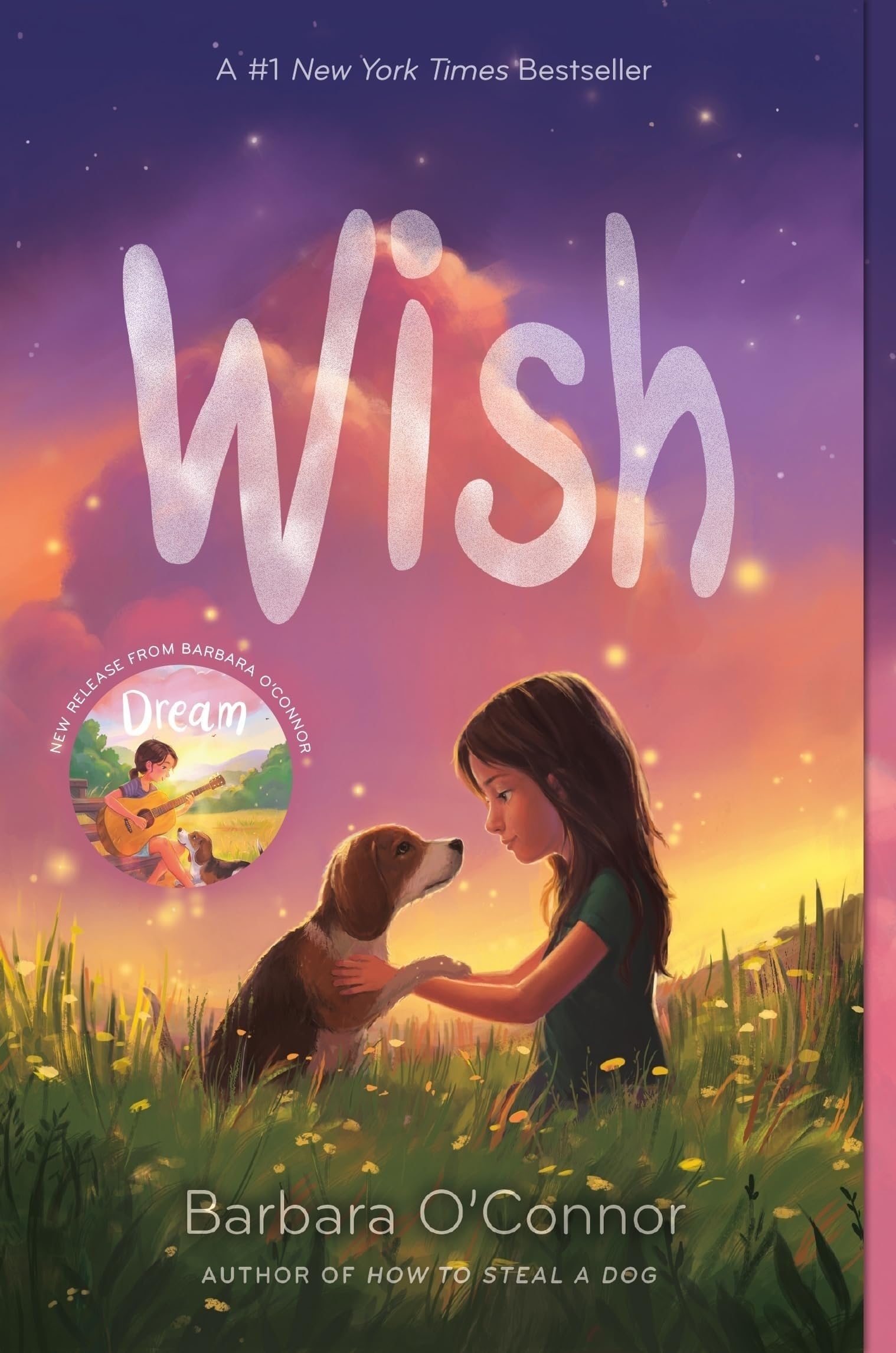
Wish

Wish

Family realism

Customer rating 4.7/5
Check Price

Worth Noting

  • No fantasy or adventure appeal, so action-seeking readers will want more momentum.
  • Backstory touches on divorce and neglect, which some young readers may find emotionally heavy.
Format
Single
Book Length
256 pages
Reading Level
Ages 8+
Subject Matter
Family realism
Read the full review

Wish follows a girl finding her place in a small Southern town, told through an authentic child voice that keeps the realism personal. It takes on family issues like divorce and neglect with care, which suits read-alouds and social-emotional learning. It walks much of the same empathy-building ground as the leading pick yet lands as less iconic - a strong alternative for young readers drawn to contemporary stories rather than the headline recommendation.

Bottom line: Best as a warm, contemporary family read-aloud for social-emotional learning - when your child prefers real-life stories over fantasy.

#11

Bad Guys Box Set

Bad Guys Box Set

Graphic humor

Customer rating 4.9/5
Check Price

Worth Noting

  • Simplified vocabulary and comic pacing may feel a step below a 4th grader's usual chapter books.
Format
Boxed set of 5
Book Length
—
Reading Level
Ages 6-8
Subject Matter
Humor graphic
Read the full review

Each of the five books is short and heavily illustrated, paced for quick wins, and the humor is what carries reluctant readers along. For a 4th grader, the 6–8 age target means vocabulary and plot depth sit below grade-level chapter books — better as a confidence booster than a stretch. Works best for a kid who has resisted reading and needs an unthreatening on-ramp.

Bottom line: The right buy when a 4th grader has resisted books and needs an easy win with big laughs — less suited to a confident reader wanting a challenge.

How to Choose

Reading Level

Publishers assign grade levels based on vocabulary and sentence structure, but these don't account for emotional maturity or background knowledge. A book labeled for grades 3-7 might be too simple for a strong reader or too heavy for a child who is still building fluency.

Check the reading age and grade range on the product details. If your child reads above grade level, aim for books marked for 5th or 6th grade; if they're struggling, a book with a lower age range and larger type can build confidence without frustration.

Book Length

Page count directly affects a child's willingness to start and finish a book. A 150-page book with short chapters feels manageable, while a 400-page tome can intimidate a reluctant reader before they even begin.

For kids who read in 15-minute bursts, look for books with chapters that end on a hook. Books under 200 pages are a safe starting point, while longer novels work for kids who already read independently for 30 minutes or more.

Format

Single novels give a self-contained story, while boxed sets promise a series' worth of reading. Sets often cost less per book, but they risk duplication if your child has already read one installment, and series can vary in quality from volume to volume.

Before buying a set, check the titles included. If your child has already read book one, buy the remaining volumes individually instead of paying for a duplicate.

Subject Matter

Genre determines interest, but also emotional readiness. Adventure and humor hook reluctant readers, while realistic drama and historical fiction require more empathy and resilience. A book about war, loss, or heavy family issues might be overwhelming for a sensitive 9-year-old.

Match the subject to your child's passions. If they love animals, a nature survival story will capture attention; if they prefer action, a plot-driven mystery or adventure will keep the pages turning.

Frequently Asked Questions