Books & Reading Product Guide

9 Best Summer Reading Books for Kids 2026: Match the Reading Stage

Which summer books match your child's actual reading stage — leveled early readers vs. read-aloud picture books — so summer reading actually sticks.

9 Best Summer Reading Books for Kids 2026: Match the Reading Stage editorial illustration

The hardest part of shopping for summer children's books is rarely finding a beach or pool theme — it's telling a read-aloud picture book apart from a leveled early reader. Listings blur the two regularly, so a book that looks right for a 5-year-old may actually need an adult to read it aloud. That mismatch is the main reason summer reading routines stall.

This guide sorts each pick by reading stage — which titles build independence for beginners and which are meant for shared storytime. The distinction matters because a book that's too hard shakes a child's confidence, while one that's too simple can't hold their attention through the season.

Use the printed age range as a clue, then judge the text's difficulty before you buy. The right summer book stretches a young reader just enough to make each week's reading session feel like a win.

#1

Pete at the Beach

Pete at the Beach

Beginning readers

Customer rating 4.6/5
Check Price

Worth Noting

  • For a child who already decodes with confidence, the My First I Can Read level adds little new challenge to stretch into.
  • At 32 pages, the beach visit wraps up quickly for kids who settle in for a longer narrative.
Pages
32 pages
Series
Pete the Cat series
Book Type
Leveled early reader
Reading Age
4-6 years
Read the full review

Pete at the Beach pairs a coastal setting with the My First I Can Read format, weaving short, repeated sight-word sentences into a storyline a child can genuinely complete on their own. Vocabulary stays within reach of a beginning reader while recurring phrases let a child anticipate the next word and land it correctly, building the decoding confidence that carries into the next book. Unlike a picture book read to a child, this one hands the decoding job to the reader, with the art there to confirm a guess rather than do the work. At a budget-friendly price, it delivers real leveled scaffolding, and the structure respects a reader still learning the mechanics of text.

Children pick this up unprompted and read through the whole beach visit in a single sitting, which for a parent is the clearest sign the level fits. The repetition becomes a confidence loop: a word appears, gets recognized, and resurfaces two pages later, so every page turn rewards attention. Bright full-page art sustains momentum, and the familiar Cat character turns decoding into something a child wants to repeat. The visual pull complements the text instead of competing with it, which matters when a beginner is still building reading stamina.

This is built for a three-to-six-year-old making the first leap from lap reading into independent reading, especially a child who already loves Pete from read-alouds. It assumes no prior decoding skill and celebrates each small win, so hesitant readers gain ground from one session to the next, and summer's relaxed pace gives a child room to read the same page twice without pressure. This book's proper audience stops at the early stage; for older readers, the right next step is a leveled chapter book rather than another page of this one.

On a summer shelf the beach theme pulls weight — it fits camp bags, poolside afternoons, and end-of-year classroom lists without an adult needing to translate difficult text. Budget pricing keeps it a low-stakes addition while families stockpile warm-weather reading, and the familiar character gives a child working through a reading log a story they finish eagerly. For a teacher, this is a rare early reader that doubles as a season-themed classroom pick, pairing a summer topic with a reading level that matches the season a class is headed into.

Bottom line: For the emerging reader in the three-to-six range, this is the beach book that makes the first solo reading session feel like an achievement.

#2

And Then Comes Summer

And Then Comes Summer

Group read-aloud

Customer rating 4.8/5
Check Price

Worth Noting

  • The end-of-year anticipation theme peaks in late spring, so a mid-summer purchase finds the celebration already under way.
  • At 8, the upper edge of the range, the gentle story reads young
Pages
32 pages
Series
Standalone picture book
Book Type
Read-aloud picture book
Reading Age
3-8 years
Read the full review

The illustrations carry this book — warm, dense scenes of kickball games, sprinkler runs, firefly evenings, and ice-cream trucks give a shared read-aloud plenty of visual texture to point at and return to. The lyrical text moves at a gentle, rhythmic pace suited to a group settling in, tracing the shift from school-day routines to the unhurried rhythm of summer. That pairing of generous art and measured pacing is what separates it from the leveled readers populating this category.

The book finds its natural place in shared settings: a classroom winding down the year or a family on the porch on a long evening. The celebration of the season's sensory moments — cut grass, cold watermelon, the first late sunset — gives children plenty to point at and talk about together. The unhurried pacing suits a wind-down story rather than an action-packed adventure, which is precisely what end-of-year storytime calls for.

It suits teachers closing the school year, grandparents planning a lap read, and families with kids ages 3-8 who enjoy sharing a story. Requiring an adult's voice, it's a lap read rather than a solo practice book — a child reading alone misses the layered art and measured pacing that carry it. Plan for it as together-time and it delivers everything a shared story should.

Bottom line: Read in the final weeks of school, it lands a permanent spot in the end-of-year rotation — the one summer book here built purely for shared reading.

#3

Night Before Summer

Night Before Summer

Trip anticipation

Customer rating 4.8/5
Check Price

Worth Noting

  • Read without much expression, the rhyming humor loses its timing.
  • The 32-page verse length may test the youngest at the 3-year end of the reading age.
Pages
32 pages
Series
Night Before series
Book Type
Read-aloud picture book
Reading Age
3-6 years
Read the full review

Rhyming couplets track a family packing for summer vacation, and the repetition does more than entertain — it builds anticipation in young listeners ahead of their own trips and gives children a pattern to recite along. Where the other read-aloud in this set leans on lush seasonal art for its effect, this one works through cadence and rhythm, which teachers have turned into a writing prompt by having students draft their own 'Night Before' verses.

This is a lap or circle-time book for preschool to first grade, timed for an end-of-school read-aloud or a family prepping for a trip. It needs an adult's voice — it is not a leveled early reader, so children beginning to decode should pick up the My First I Can Read titles in this set instead. Families who have read other 'Night Before' books will find the formula familiar rather than surprising; that predictability is the main tradeoff to weigh before buying.

Teachers use the rhyme as a regular anchor for end-of-year writing projects, so the book earns repeated reads in the stretch before summer break. A budget-friendly 32-page picture book, it carries more classroom mileage than a one-off seasonal title and holds up for the single-vacation family as well.

Give the rhymes an expressive reading — a lively voice carries the humor much further than a flat one.

Bottom line: The right pick for families and classrooms that want a read-aloud to fuel pre-trip excitement, not a book for emerging readers to sound out on their own.

#4

Biscuit's First Beach

Biscuit's First Beach

Toddlers & beginners

Customer rating 4.8/5
Check Price

Worth Noting

  • The 24-page story finishes quickly
  • The simplicity that helps beginners won't hold a child who has already moved past early-emergent reading.
Pages
24 pages
Series
Biscuit series
Book Type
Leveled early reader
Reading Age
1-4 years
Read the full review

Biscuit's First Beach Day uses the shortest, most repetitive sentences in this summer roundup — large, clear print and simple sight words built for children just starting to connect letters to sounds. It sits a full step below the top pick's My First I Can Read level, which is exactly the point: some kids need a gentler ramp before they're ready for Pete's slightly longer sentences. The beach theme keeps it seasonal without demanding any prior series knowledge.

The 24-page length means a child finishes the whole story in one sitting, which parents describe as a win for very young attention spans — the arc completes, so pride stays with the reader. The deliberate repetition of the beach-day refrain gives beginners the chance to lock in a word through reuse rather than memorization, and the soft illustrations match the calm tone.

This is the right first summer read for kids ages 1-4, especially toddlers who want to 'read' along while a parent turns the pages. It can't serve the older sibling: the brevity and simplicity that help a beginner will bore a child past age 4-5, and it's a board-book-level effort rather than a substantial read. For an emerging reader under that age, it's a gentle, satisfying finish.

Read it aloud once, then let your child try the repeated phrases — the short length favors mastery over reading stamina.

Bottom line: For parents of children ages 1-4 who want a beach-themed first read, Biscuit is the gentle on-ramp — just keep expectations matched to its 24 pages.

#5

The Chocolate Touch

The Chocolate Touch

Chapter book readers

Customer rating 4.6/5
Check Price

Worth Noting

  • Occasional printing defects leave some copies missing a page
Pages
128 pages
Series
Standalone classic
Book Type
Chapter book
Reading Age
6-9 years
Read the full review

The Chocolate Touch is the full-length step up from the early readers in this set — a chapter book that trades repetitive sight words for a complete story arc with a real protagonist. Kids who have outgrown Pete at the Beach's short sentences meet John Midas, a boy whose love of chocolate turns literal when everything he touches becomes candy.

This suits a 2nd-4th grader ready to read independently across a week of summer mornings — long enough to feel like a real novel, short enough to finish. The chocolate premise hooks kids who love sweets and magic, and the moral about moderation lands without preaching. The vocabulary assumes a reader past the simplest leveled text, and some copies may ship with pages missing from printing defects, so a quick check on arrival is worth doing. Very young listeners stay better served by the board-book and early-reader options in this set.

Short chapters and an absurd premise keep reluctant readers moving, and the lesson threads through the fun instead of interrupting it — a story a child finishes independently, which matters on a summer reading list.

Bottom line: The step past the early readers in this set — a complete novel a 2nd-4th grader can own across a week of summer mornings.

#6

The Firefly Summer

The Firefly Summer

Older kids 9-12

Customer rating 4.6/5
Check Price

Worth Noting

  • For tweens who want fast-paced adventure, the friendship-driven plot reads slowly and reflectively.
  • At 432 pages it asks for longer sittings, a poor fit for kids who read in short bursts.
Pages
432 pages
Series
Standalone novel
Book Type
Middle-grade novel
Reading Age
9-12 years
Read the full review

At 432 pages, The Firefly Summer is the one full-length novel in a lineup of early readers and picture books — a story with room to develop its characters over a whole vacation. The narrative centers on friendship and the gradual work of growing up, the kind of book a tween can sink into for a full morning.

The story's emotional pull is its standout quality — friendships deepening across a summer, with an ending that lands for readers in this age range. The pacing builds gradually rather than in rapid-fire chapter hooks, so it reads best in longer sittings.

The reader this suits is in upper elementary or middle school, roughly ages 9-12, past early readers and ready for a substantial story. It is not a book for younger siblings — nothing here works as a lap read. As a newer title than the classics in this category, its lasting reputation is still being built, so families who want a book already carrying generations of reader approval will find that anchor in the older chapter books.

It reads best over a week of vacation mornings rather than in a single sitting.

Bottom line: For readers 9-12 past the early-reader stage, this delivers the substantial summer novel the rest of the lineup can't — provided the child accepts a patient, character-first pace.

#7

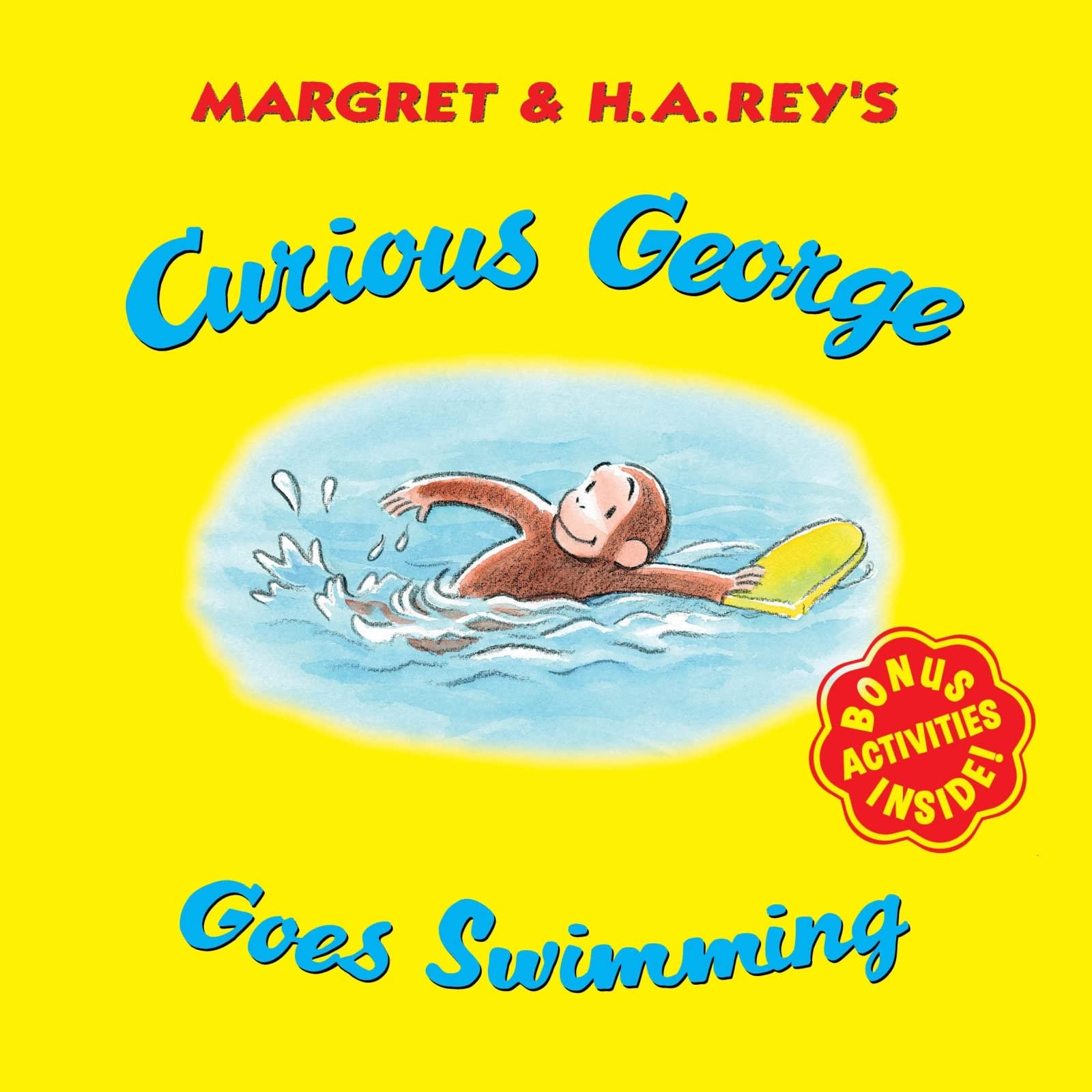
Curious George Swims

Curious George Swims

Curious George fans

Customer rating 4.8/5
Check Price

Worth Noting

  • Lacks verified reading-level feedback, so parents can't confirm it fits a beginning reader's stage.
  • A grown-up's voice does the reading, making it a shared lap read rather than solo decoding practice.
Pages
24 pages
Series
Curious George series
Book Type
Read-aloud picture book
Reading Age
4-7 years
Read the full review

The Curious George name carries instant recognition that preschoolers latch onto, and the compact 24-page format keeps a poolside read short enough to hold young attention. This is a character-driven summer story, not a decoding exercise — a grown-up reads while the child follows the familiar monkey's swimming antics, which suits ages 4-7 well.

What keeps it below the top early readers is the absence of verified reading-level feedback. Parents who need confirmed scaffolding for a child learning to decode will find clearer structure in Pete; Curious George instead delivers dependable, budget-friendly storytime warmth that Curious George enthusiasts will readily accept.

Bottom line: For Curious George fans aged 4-7 who want a familiar, budget-friendly poolside story read aloud together, this fits — as long as you aren't expecting leveled reading support.

#8

Cool Bean Makes a Splash

Cool Bean Makes a Splash

Funny early readers

Customer rating 4.8/5
Check Price

Worth Noting

  • The splash arc follows a familiar 'shy character finds courage' beat that kids familiar with the Food Group series will recognize.
  • The comic-style pages favor read-aloud fun over the repetitive sight-word practice found in leveled My First readers.
Pages
32 pages
Series
Food Group series
Book Type
Leveled early reader
Reading Age
5-7 years
Read the full review

The Cool Bean Makes a Splash pairs a nervous bean's first plunge into the pool with a gentle lesson in trying new things, and the comic-style art carries the humor well for 5-7 year olds. The 32-page length fits a one-sitting poolside read, and the jokes land for kids who are reading for fun.

What keeps it from the top shelf is reaching power, not quality: this is the freshest Food Group title in the set, so its long-term standing is less settled than the series anchors. Treat it as a lively sidekick on a summer stack rather than the centerpiece, and it fits comfortably.

Read the comic panels aloud together on the first pass — the visual gags carry kids who are still building word confidence.

Bottom line: For a poolside afternoon when a 5-7 year old wants a laugh more than structured reading practice, this budget-friendly splash fits best beside a leveled reader.

#9

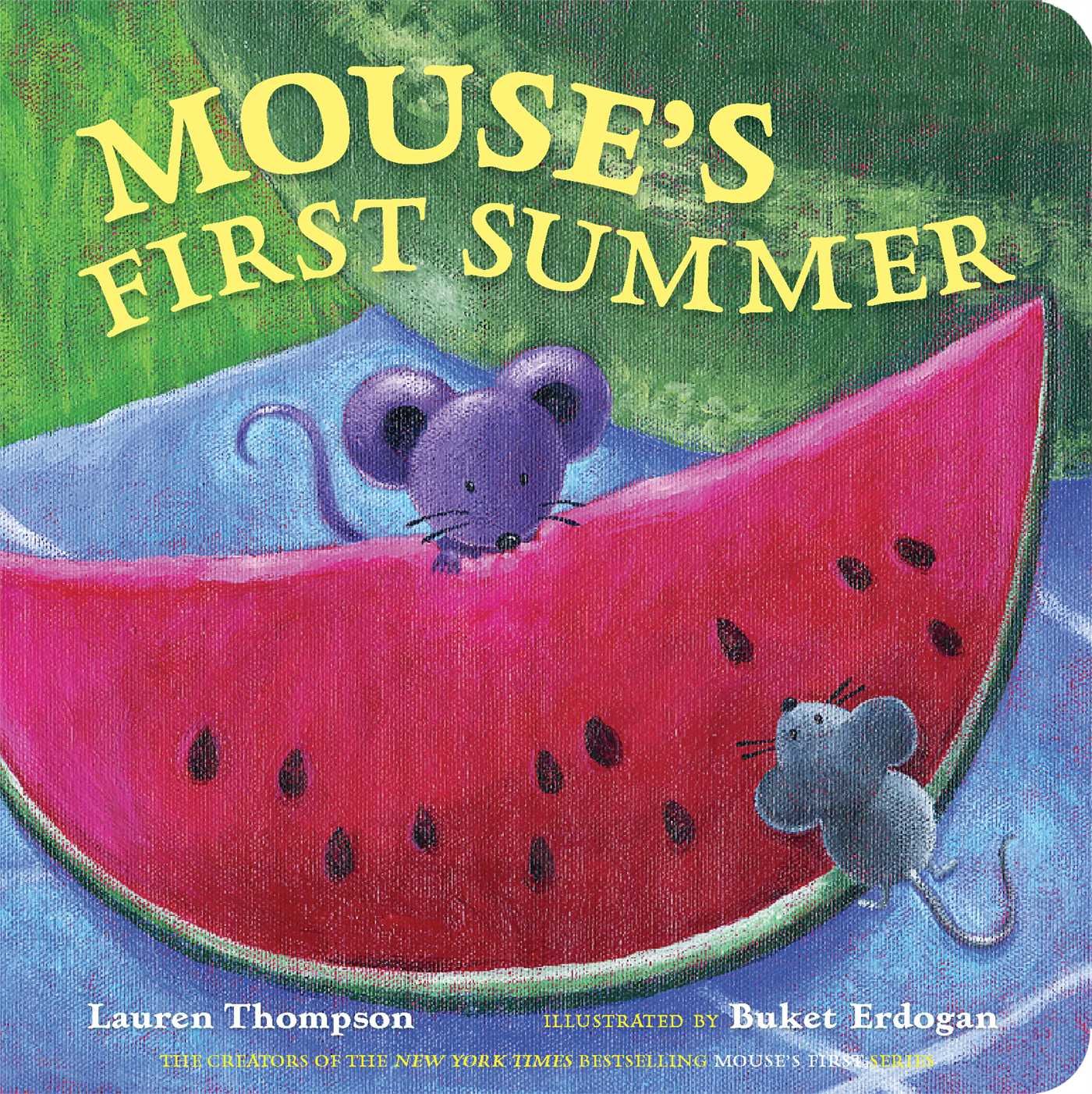
Mouse's First Summer

Mouse's First Summer

Toddlers

Customer rating 4.8/5
Check Price

Worth Noting

  • No sight-word repetition or decoding practice
  • The age ceiling sits around four, so an older sibling finds the simple plot too thin to revisit.
Pages
34 pages
Series
Mouse's First series
Book Type
Board book
Reading Age
1-4 years
Read the full review

Mouse's First Summer pairs a sturdy board-book build with soft, detailed illustrations that toddlers and preschoolers keep coming back to, and the 34 pages safely absorb the grab-and-chew stage. The gentle text walks a little one through summer's small sensory moments — warm grass, a first butterfly — in phrases short enough for repeated lap reading.

Its role is a first shared summer read, not a book that grows with a child — nothing here extends to a sibling who's past the toddler years, so it fits the household's youngest rather than the whole family.

Bottom line: For a home with a toddler or preschooler, this is the safest summer book to hand over without supervision — sturdy enough for rough handling, gentle enough for a first shared read. It fills that role completely until the child outgrows board books.

How to Choose

Reading Age vs. Real Ability

A publisher's age range reflects the intended audience, not your child's decoding skills. A title labeled '4-6 years' can rely on sight words a just-turned-4-year-old hasn't mastered, so treat the range as a start and check sentence length.

A child who sounds out every other word will stall within two pages, no matter the cover. Short, repeated sentences give beginners the wins they need to keep reading all summer.

Length and Text Density

Page count tracks reading stamina more closely than age does. A 24-page early reader with one short line per page builds the endurance a beginner needs, while a 432-page novel demands attention across several sittings.

Choosing a book beyond a child's stamina turns pleasure reading into a chore, and the book is usually abandoned by week two. Size the length to how long your child reads in one session.

Do the Pictures Carry the Story?

Picture books and leveled readers both use illustrations, but for opposite reasons. In a read-aloud, the art carries emotional detail the text assumes an adult will voice; in a leveled reader, the pictures are decoding cues that reinforce repeated sight words.

Hand a child a read-aloud to decode alone and the lavish art won't help them sound out unfamiliar words — the clues that support solo readers aren't there.

Read-Aloud or Read Alone?

The biggest mismatch in this category is buying a read-aloud when you needed an independent reader. Read-alouds use richer vocabulary because an adult supplies fluency, while leveled readers keep phrases short so a child can sound them out.

Decide before you browse whether you want a shared story or a text your child finishes alone. The two rarely overlap in one book.

Series Familiarity Helps

Children return to familiar characters more readily over the summer slump. A kid who loves Pete the Cat or Biscuit will pick up a new installment without the friction of a fresh cast, which keeps momentum when school is out.

The trade-off is that series installments recycle the same formula, excelling at comfort reading but rarely stretching a capable reader. Pair a familiar series with one standalone that challenges them.

Frequently Asked Questions