Books & Reading Product Guide

12 Best Chapter Books for 2Nd Graders of 2026: Match Reading Ability

Find chapter books for 2nd graders that match your child's independent reading level, from early-reader bridges to series for confident readers.

12 Best Chapter Books for 2Nd Graders of 2026: Match Reading Ability editorial illustration

Second grade is the year independent reading takes off — and the year choosing books gets tricky. One second grader may still be sounding out words while a classmate finishes a whole chapter book in an evening. Grade labels on the cover do not reflect how much text a child can actually manage alone, so parents end up with stories that frustrate a hesitant reader or bore a confident one.

The answer is matching the series to a child's reading stage, not just their age. That means weighing chapter length, vocabulary load, and how much the pictures on each page carry the story. Some kids stall without humor and visual cues to push them forward; others are ready for quieter, longer plots. A well-matched first series is what turns a reluctant reader into a kid who secretly reads after lights-out.

#1

Magic Tree House 1-4

Magic Tree House 1-4

First chapter series

Customer rating 4.8/5
Check Price

Worth Noting

  • Around 80 pages each, so quicker readers finish the four-book set fast and may want more length.
  • The straightforward prose holds less appeal for kids already reading at a third-grade level.
Illustrations
Some black-and-white
Pages Per Book
80 pages
Series Continuity
Long series, 50+ books
Humor And Engagement
Adventure, mild humor
Read the full review

Magic Tree House 1-4 pairs sentence-level text with short chapters, so a child decoding at grade level can finish a book on their own and feel the momentum. The time-travel premise — each adventure drops Jack and Annie into a different era — gives readers a reason to turn the page beyond just finishing a page count, which is what keeps reluctant readers coming back for the next book.

Each book runs about 80 pages, which is the right length for building stamina without overwhelming a child new to independent reading. Stronger or faster readers may blow through the entire set in a weekend and ask for more; that's a sign to move to the next set in the series rather than a flaw in these books. The accessible approach makes this the natural first set for early chapter-book readers and a dependable classroom-library staple.

If your child finishes all four quickly, the next Magic Tree House set continues the arc without missing a beat.

Bottom line: The set to buy for a typical second grader taking the leap into chapter books — it delivers a satisfying first series experience without demanding too much too soon.

#2

Bad Guys 1-5

Bad Guys 1-5

Reluctant readers

Customer rating 4.9/5
Check Price

Worth Noting

  • Graphic-novel styling and loose, unconventional prose won't suit families set on classic literary text.
Illustrations
Comic panels throughout
Pages Per Book
288 pages
Series Continuity
Series, 16 books
Humor And Engagement
Slapstick humor
Read the full review

Comic-panel layouts and punchy text bursts turn each page into a quick win, and the irreverent humor lands with kids who tune out of a chapter book early. The five-book arc sustains momentum, so finishing one volume reads as a real accomplishment.

This set serves reluctant readers, especially boys drawn to action and comedy, and earns a spot in classroom libraries reaching diverse kids. The graphic-novel format is a deliberate departure from classic chapter-book prose — parents expecting conventional literary text should weigh that, and those after richer prose will find the visual-first style a trade-off.

Bottom line: For the child who insists reading is boring, this set offers the strongest counterargument — short visual bursts make finishing a book feel effortless.

#3

Mercy Watson 1-6

Mercy Watson 1-6

Early readers

Customer rating 4.9/5
Check Price

Worth Noting

  • Premium price for six short books is a hurdle for budget-conscious families.
Illustrations
Color on every page
Pages Per Book
83 pages
Series Continuity
6-book series
Humor And Engagement
Warm, gentle comedy
Read the full review

Color illustrations on nearly every page carry the story, while Kate DiCamillo's warm, deadpan humor keeps young readers turning pages. Where comic-style sets lean on dense panel layouts, Mercy Watson spaces text generously, so children new to chapter books finish chapters without losing the thread.

Kindergartners through early second graders easing off picture books are the natural audience, especially kids who love funny animal tales and families after high-quality art. The premium price for six short books gives budget-conscious buyers pause, and a reader ready for denser text would be better served by a longer series.

Bottom line: For a kindergartner or early first grader taking on a first chapter book, this is the set that makes the leap feel safe — illustration support few options in this roundup match.

#4

Ivy and Bean Treasure

Ivy and Bean Treasure

Friendship stories

Customer rating 4.8/5
Check Price

Worth Noting

  • Pacing stays calm and low-stakes, leaving action-seeking readers unengaged.
  • Boxed set carries mid-range pricing, a step above budget options.
Illustrations
Some pen drawings
Pages Per Book
—
Series Continuity
Series, 10+ books
Humor And Engagement
Everyday mischief
Read the full review

Ivy and Bean's everyday adventures — backyard schemes, neighborhood plans, small-scale mischief that reads like real childhoods — keep early chapter readers invested on their own. Where the fairy-fantasy set in this lineup leans on magic, this one hooks kids on characters who behave like actual second graders.

This set suits girls who love friendship-driven stories and are ready to leave picture books behind, with calm stakes that won't overwhelm new independent readers. Female leads mean boys may not connect, and kids hunting for action-packed plots should look elsewhere.

Bottom line: For girls moving into chapter books who love friendship stories, the genuine characters and gentle humor make the mid-range price worthwhile — provided the child isn't after action.

#5

Never Girls #1

Never Girls #1

Fairy fans

Customer rating 4.8/5
Check Price

Worth Noting

Illustrations
Some black-and-white
Pages Per Book
128 pages
Series Continuity
Series continues
Humor And Engagement
Light fantasy magic
Read the full review

Tinker Bell and the Never Girls drops young readers into Disney's fairy realm with light magic they can decode alone, with short chapters that give quick wins and easy rereads across four 128-page books that keep a gentle, wholesome tone. Where Ivy and Bean stays grounded in everyday mischief, this collection lets young fantasy fans escape into Never Land's small adventures rather than big battles. The fairy focus is the draw and the boundary: girls who already love fairies and magic will settle into confident solo reading, while boys and anyone chasing action-filled plots won't find footing here.

Bottom line: For the fairy-loving second grader, this budget four-book set turns an existing love of magic into independent reading. It's the right pick only for that reader — children who aren't already into fairies should start elsewhere.

#6

Boxcar Children 1-4

Boxcar Children 1-4

Mystery lovers

Customer rating 4.8/5
Check Price

Worth Noting

  • The traditional prose can read slowly for an emerging decoder at the younger end of the age band.
Illustrations
Occasional drawings
Pages Per Book
168 pages
Series Continuity
Series, 150+ books
Humor And Engagement
Quiet mystery plots
Read the full review

Clear mystery plots carry this set: plain sentences decode easily, and each of the four books resolves its own case, so a child can start anywhere without backstory. The draw is problem-solving and a satisfying reveal rather than the time-travel hook of the top pick — a classic-literature tone that mystery-loving readers grasp quickly.

This set fits mystery-loving second graders and households that read together across generations; the older prose reads as dated to some modern kids, so children chasing snappy humor are a poor match. The measured cadence suits readers who savor working out a puzzle.

Bottom line: Best for the mystery-loving second grader who wants a satisfying solve, and for households that value a classic they can share and pass down.

#7

Magic Tree House 5-8

Magic Tree House 5-8

Series continuation

Customer rating 4.8/5
Check Price

Worth Noting

  • Premium price for a four-book bundle
Illustrations
Some black-and-white
Pages Per Book
80 pages
Series Continuity
Long series, 50+ books
Humor And Engagement
Historical adventure
Read the full review

These four books carry the same short, decodable chapters and time-travel hook as the opening set, now sweeping readers into deeper historical settings. They are a continuation, not a starting point — full context depends on the first four books, so newcomers should begin with that set instead.

Bottom line: For kids who have finished Magic Tree House 1-4 and want to keep the series momentum, this set continues the run — wait for a sale to soften the price.

#8

Amelia Bedelia 1-4

Amelia Bedelia 1-4

Pun lovers

Customer rating 4.8/5
Check Price

Worth Noting

  • A very literal-minded reader may find the pun-based mix-ups confusing rather than funny.
Illustrations
Some black-and-white
Pages Per Book
160 pages
Series Continuity
Series continues
Humor And Engagement
Wordplay puns
Read the full review

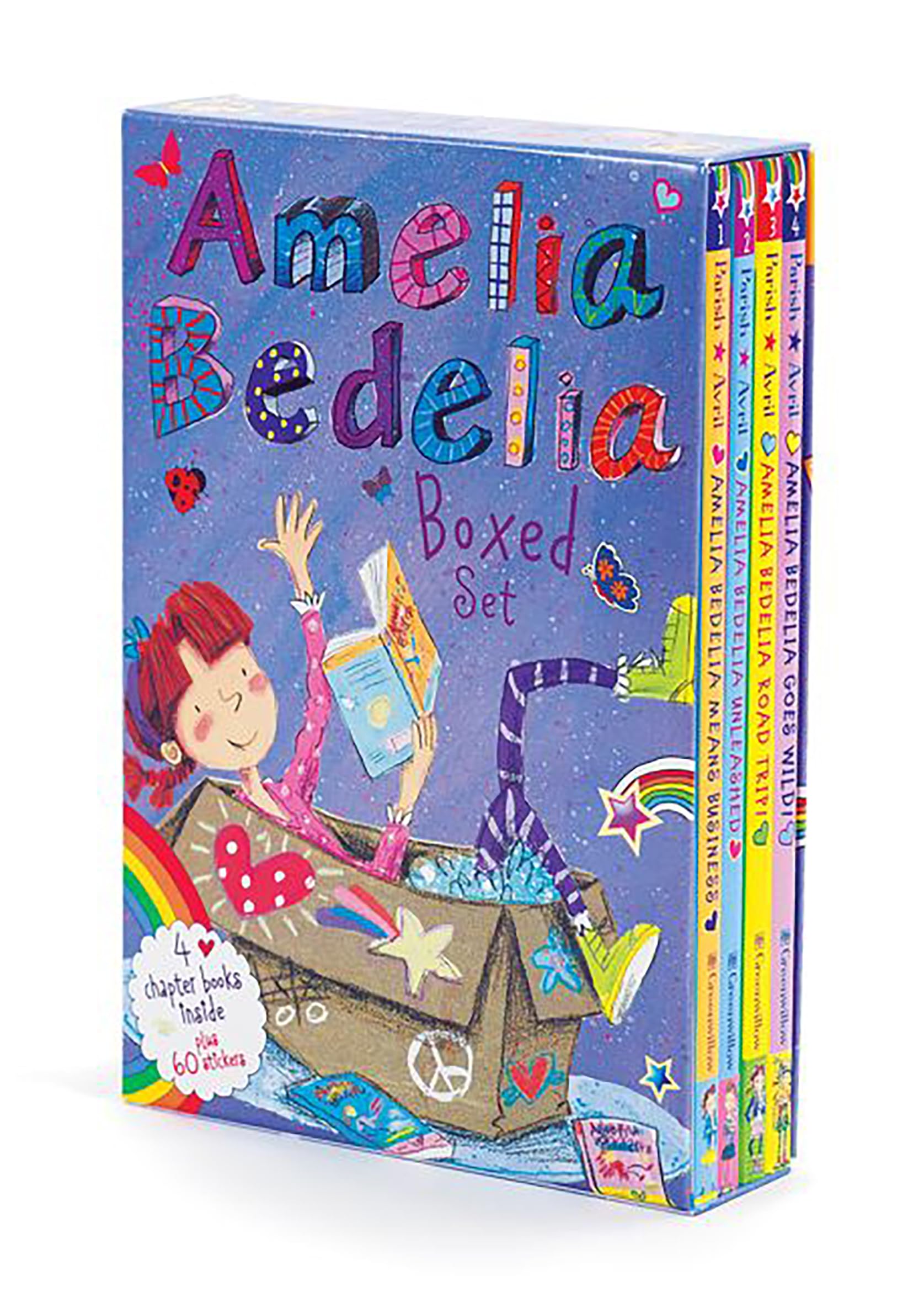
Each 160-page chapter book rides on Amelia's literal-minded mix-ups, so kids who like jokes get the payoff while absorbing how homophones and idioms bend meaning. For classrooms teaching language arts, that double duty is the appeal. That same pun engine leaves very literal-minded children puzzled rather than laughing — a use-case mismatch, not a flaw.

Bottom line: For kids who already enjoy jokes and riddles, this set turns language play into reading momentum; for the literal-minded, skip it.

#9

Charlotte's Web

Charlotte's Web

Family read-alouds

Customer rating 4.8/5
Check Price

Worth Noting

  • At a second grader's solo-reading pace, third-grade-level vocabulary can stall fluency
Illustrations
Black-and-white sketches
Pages Per Book
184 pages
Series Continuity
Standalone novel
Humor And Engagement
Tender, emotional story
Read the full review

Charlotte's Web pairs gorgeous prose with emotional depth no boxed set here approaches, and black-and-white illustrations anchor each page. As a single novel it won't build series stamina, and the story's loss themes can weigh on sensitive listeners — shared as a read-aloud, that depth becomes its strength.

Bottom line: Buy it for family read-aloud time, where its emotional weight lands best — not as the average child's first solo chapter book.

#10

Unicorn Academy 1-4

Unicorn Academy 1-4

Unicorn fans

Customer rating 4.8/5
Check Price

Worth Noting

  • Black-and-white interior art
Illustrations
Black-and-white only
Pages Per Book
128 pages
Series Continuity
Series continues
Humor And Engagement
Gentle fantasy
Read the full review

This budget-friendly four-book set is the cheapest path into fantasy for unicorn lovers, with easy-to-decode text and short chapters early readers finish alone. Some readers found characters acting inconsistently, so it suits kids who read for plot momentum rather than tight character arcs. Best for a budget gift to a unicorn-crazy early reader.

Bottom line: Pick this up for a unicorn-crazy early reader starting chapter books when the budget is tight.

#11

Ramona Collection 1

Ramona Collection 1

Strong readers

Customer rating 4.8/5
Check Price

Worth Noting

  • Chapter length and vocabulary sit closer to third grade, so average second graders stretch.
Illustrations
Occasional sketches
Pages Per Book
212 pages
Series Continuity
8-book series
Humor And Engagement
Realistic family humor
Read the full review

Ramona's everyday childhood dramas feel true, and Beverly Cleary's prose keeps stronger readers invested in realistic family life. The vocabulary and chapter length sit closer to third grade, so an average second grader will stretch — this collection rewards confident readers rather than early ones.

Bottom line: Best for a confident second grader already reading at a third-grade level who loves realistic stories — save it for growing decoders later.

#12

Junie B. Jones 1-4

Junie B. Jones 1-4

Silly humor fans

Customer rating 4.8/5
Check Price

Worth Noting

  • Sassy tone and deliberate grammar mistakes will bother families who expect proper language modeling from books.
Illustrations
Few illustrations
Pages Per Book
—
Series Continuity
Series, 28 books
Humor And Engagement
Sassy humor
Read the full review

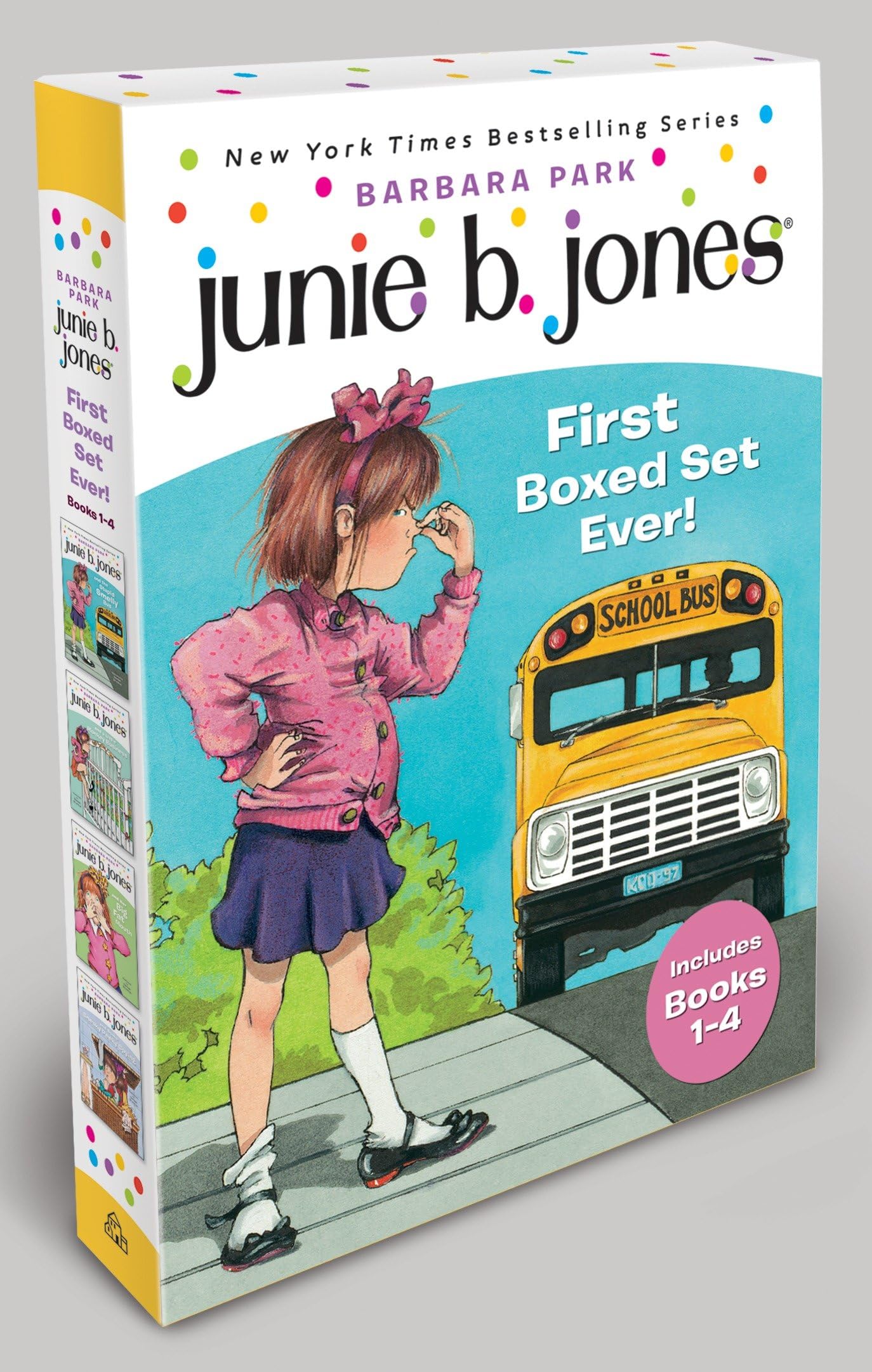
Junie B.'s voice is the engine here — kids who groan at 'reading time' laugh at her sassy, spitfire narration and keep turning pages. That same irreverence is the catch: the books lean on deliberate grammar slips and an attitude some parents find grating, which makes this set a fit for humor-loving families rather than households strict about language.

Bottom line: Pick this up when your child already laughs at silly, sassy humor and your household is relaxed about grammar — outside that, it is a polarizing buy.

How to Choose

Reading Age and Grade Level

The grade range on a cover reflects the publisher's testing pool, not your child. A label that starts above grade 3 means the text was verified with third graders, so a typical second grader will hit more unfamiliar words per page and spend more mental energy just decoding. Choose a set whose range starts at or below level 2 so the story, not the vocabulary, does the work.

Pages per Book

Short chapters create natural stopping points, which is what a beginning chapter-book reader needs to feel successful. A child who finishes an 80-page book in one sitting is at a different stamina level than one who works through it across three nights. Match page length to the child's existing attention span so reading stays a win rather than a chore.

Illustrations

Pictures are far more than decoration — they supply context clues that cut decoding load. When a child hits an unknown word, an illustration on the same or facing page lets them guess from meaning instead of stopping cold. Full-color art on nearly every page offers the strongest support, while sparse line art demands more from the text and suits stronger readers.

Humor and Engagement

Humor lowers the barrier to reading because kids keep turning pages for the payoff. Yet humor runs on different engines: slapstick and visual gags hook reluctant readers almost instantly, while wordplay like Amelia Bedelia's puns asks a child to hold two meanings at once, which is harder work.

Some of the funniest books, notably Junie B. Jones, lean on deliberate grammatical errors — funny to a child, but a real trade-off if you would rather not model incorrect language at home.

Series Continuity

A series banks on the 'what happens next' pull, so a child who finishes one set immediately wants the next. That same strength becomes a trap if you buy a later set first, because entering partway skips the character and plot foundations and leaves the child without context. Continuation sets are worth buying only once the earlier books are done.

Frequently Asked Questions