Books & Reading Product Guide

13 Best Books for 5Th Graders 2026: Match Each Reader's Level

The best books for 5th graders matched to each child's actual reading level — humor, adventure, or award-winners that fit without boring or overwhelming.

13 Best Books for 5Th Graders 2026: Match Each Reader's Level editorial illustration

Many 5th-grade book lists lead with award badges and 'classic' labels, but a prize-winning title isn't the same as one a 10-year-old will actually finish. Parents routinely over-shoot on reading level, picking books flagged for higher grades without accounting for their child's emotional maturity.

At this age, the practical question is whether a title matches a reader's level and taste. Some kids devour short, funny chapters while avoiding longer novels. Others are ready for literary fantasy or high-stakes survival stories and find simpler picks too gentle.

The right book for a 5th grader matches their stamina, humor, and emotional readiness — which is why no single title works for every 10-year-old. A 128-page true story and a 600-page epic can both be the right call, for very different readers.

#1

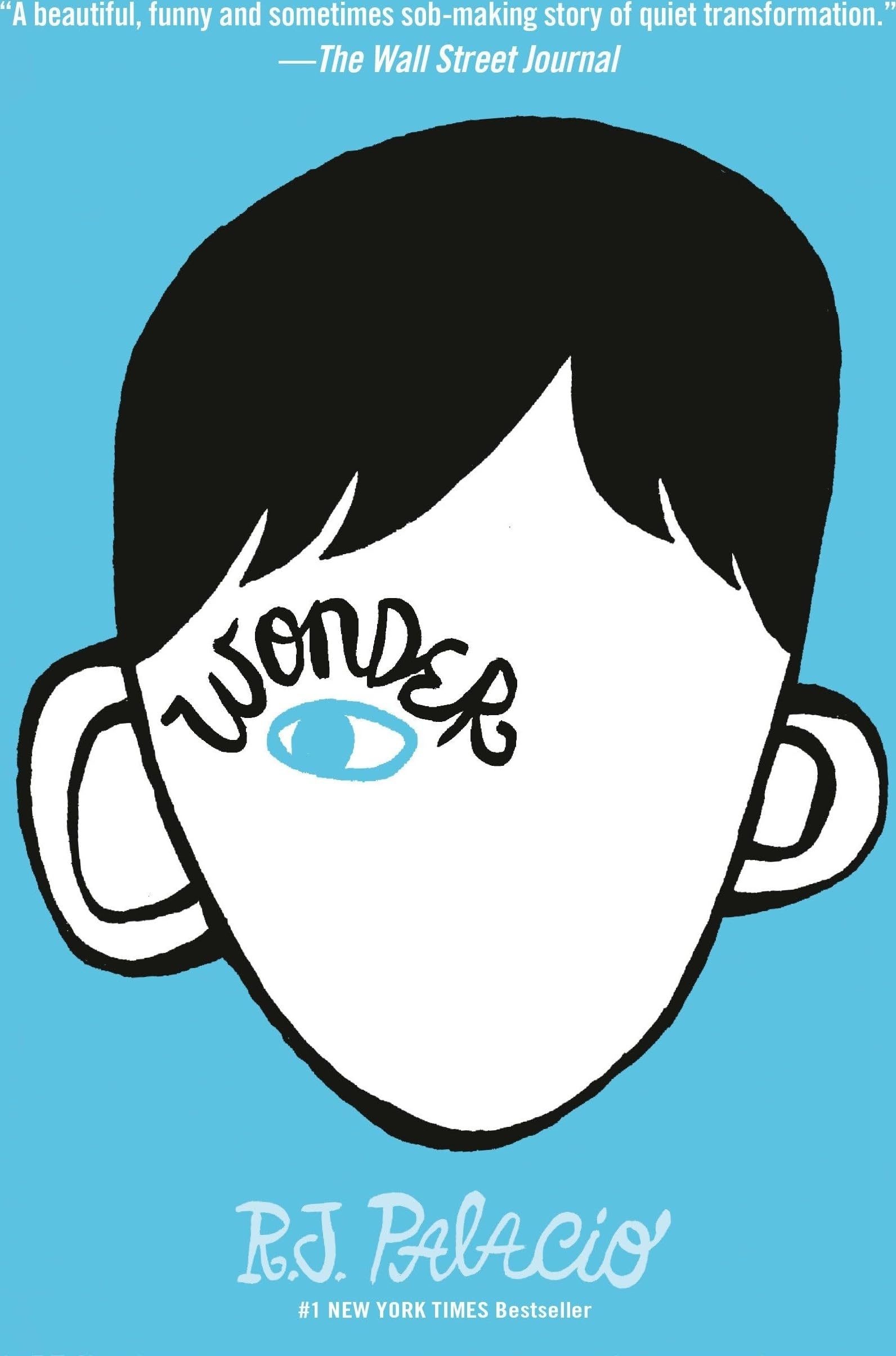
Wonder

Wonder

Kindness & empathy

Customer rating 4.7/5
Check Price

Worth Noting

  • Not the fit for kids chasing action-adventure or fantasy escape
  • Depictions of bullying and exclusion are intense
Themes
Bullying, kindness, acceptance
Print Length
320 pages
Reading Level
Ages 9-11, grades 3-7
Series Or Standalone
Standalone
Read the full review

Wonder places the kindness lesson at the center of its plot — Auggie, born with a facial difference, enters public school for the first time, and readers live his year through multiple rotating perspectives. The 320-page story sits squarely in the 9-11 reading band, and the short, changing viewpoints keep the pace brisk, so it reads like a page-turner rather than a sermon, even for children who normally resist slower books. Each narrator — Auggie, his sister, his closest friends — brings a different angle on acceptance, which is what gives families and teachers so much to unpack together, from simple kindness to what real friendship actually asks.

This is the pick for classrooms and families who read together, where the empathy conversation has a ready audience. Kids chasing pure action-adventure or fantasy escape should look elsewhere — the rewards here are emotional rather than kinetic. Sensitive readers do best with a parent or teacher alongside to help process the story's harder moments. For everyone else in the 9-11 band, it pairs a week of page-turning with a lesson worth repeating — and it is one of the rare books a whole class can read and genuinely share reactions about.

Bottom line: The highest-impact single purchase for a 5th-grade reader — Auggie's story pairs a page-turning week with the empathy lesson families and classrooms want to teach.

#2

Holes

Holes

Reluctant readers

Customer rating 4.7/5
Check Price

Worth Noting

  • Interwoven flashbacks demand sustained attention through the early chapters, a real hurdle for readers who avoid non-linear plots
Themes
Mystery, friendship, dual timelines
Print Length
288 pages
Reading Level
Ages 9+, grades 5-6
Series Or Standalone
Standalone
Read the full review

Holes pairs a present-day plot around boys digging holes at Camp Green Lake with a century-old flashback that slowly clicks into place — a structure that reads as a mystery kids solve alongside Stanley, not a story they sit through. The interwoven timelines demand real attention through the opening chapters, a genuine hurdle for readers who avoid non-linear narratives.

That payoff rewards the tween who wants a hook over a lecture, sitting squarely in the 5-6 grade band and earning a natural place in classroom sets. Unlike the survival action of Hatchet, the draw here is the satisfying convergence of threads — for a child who stalls on the early flashbacks, steady encouragement through the first chapters clears the way.

If a child stalls on the flashbacks, push through the opening chapters — the threads converge quickly and the payoff clears the early fog.

Bottom line: For the tween who resists long novels but loves a puzzle, this delivers — the early attention it asks pays back in a convergence that lands satisfyingly.

#3

Hatchet

Hatchet

Adventure lovers

Customer rating 4.7/5
Check Price

Worth Noting

  • Opening chapters unfold gradually before the plane crash; readers who want instant stakes may stall early.
Themes
Survival, wilderness, self-reliance
Print Length
192 pages
Reading Level
Ages 9+, grades 5-9
Series Or Standalone
Standalone
Read the full review

Hatchet is the cleanest survival arc on this list — 192 pages from a plane crash to weeks alone in the Canadian wilderness, told as one rising line of stakes. Where the top pick trades on kindness and empathy, this one runs on action and raw perseverance, a Newbery Honor that never reads like homework. Reluctant readers who balk at long novels finish this one because every chapter tightens the tension.

This fits the adventure-minded reluctant reader and the classroom assignment list alike. The opening builds slowly before the plane goes down, so kids who need instant action may stall in the first chapters — the payoff lands for those who push a few pages past it. Character-driven and fantasy fans will find little here; it is a straight-line survival story.

Bottom line: Hatchet is the adventure answer for kids who say they hate reading — 192 pages, rising survival stakes, no moralizing. The ending leaves the sequel itch that keeps reluctant readers coming back.

#4

The Wild Robot

The Wild Robot

Emerging readers

Customer rating 4.8/5
Check Price

Worth Noting

  • In the early chapters the story moves gradually before Roz's journey gains traction
Themes
Belonging, survival, nature
Print Length
320 pages
Reading Level
Ages 7+, grades 3-7
Series Or Standalone
Book 1 of 3
Read the full review

The Wild Robot's chapters run just a few pages, so kids who balk at long novels finish one quickly and keep the momentum rolling. Roz, a robot stranded on a wild island, learns survival by observing the animals around her — a STEM-forward premise that gives science-curious readers a reason to stay engaged, unlike the endurance-heavy survival story beside it in this set.

The opening moves gradually as Roz's world takes shape, so readers who need instant action may drift early; persistent kids get rewarded as friendship and belonging take over. That makes it a strong classroom read-aloud and a low-pressure entry point for reluctant and emerging readers, at a budget price.

Bottom line: For a reluctant or emerging reader, this budget-priced novel offers the warm, page-turning entry point the action-heavy classic in this set can't match.

#5

A Long Walk to Water

A Long Walk to Water

Global awareness

Customer rating 4.7/5
Check Price

Worth Noting

  • The alternating timelines can briefly confuse younger readers at the start.
  • War, displacement, and water-crisis themes are emotionally weighty for sensitive children.
Themes
War, survival, water crisis
Print Length
128 pages
Reading Level
Ages 10+, grades 5-7
Series Or Standalone
Standalone
Read the full review

At 128 pages, this is the true-story two-timeline narrative that kids finish in a single sitting — a real-world counterpart to gentler animal-friendship reads like Ivan. The dual structure rewards attention, though it asks more of younger readers in the opening chapters.

It suits classroom discussion and reluctant readers who want a quick, meaningful read. War, displacement, and a water crisis are handled gently but remain serious content; sensitive children may benefit from an adult reading alongside.

Bottom line: For a classroom or a reluctant reader who wants one powerful true story wrapped up in a day, this is the pick.

#6

The Girl Who Drank the Moon

The Girl Who Drank the Moon

Strong readers

Customer rating 4.7/5
Check Price

Worth Noting

  • Some readers find the middle slow and the prose dense, which can test patience before the story gains momentum.
Themes
Magic, grief, fantasy
Print Length
400 pages
Reading Level
Ages 8+, grades 5-9
Series Or Standalone
Standalone
Read the full review

The 2017 Newbery Medal went to this lush fantasy with a compelling female protagonist, a deliberate contrast to the contemporary realism of the top pick. Kelly Barnhill's prose is genuinely literary, with magic and imagery that reward careful reading, and the grade 5-9 range signals it is built for strong readers, not newcomers to chapter books.

This is the right choice for confident 5th graders who have outgrown simpler chapter books and want richer language rather than constant action; it is not built for reluctant readers who prefer quick, page-turning hooks.

Bottom line: For the confident fantasy lover, this is the rewarding choice; readers who want a quicker hook fit the top pick better.

#7

The One and Only Ivan

The One and Only Ivan

Family read-aloud

Customer rating 4.8/5
Check Price

Worth Noting

  • Animal-captivity and loss moments can upset sensitive readers
Themes
Animal captivity, friendship, loss
Print Length
336 pages
Reading Level
Ages 8+, grades 3-7
Series Or Standalone
Standalone
Read the full review

Told in spare verse from a gorilla's point of view, Ivan pairs short, readable chapters with gentle humor and a warm friendship arc — the natural read-aloud for animal lovers and classrooms where Wonder's anti-bullying message isn't the main draw. Empathy here centers on animal welfare rather than peer kindness, and the captivity themes carry real emotional weight; sensitive readers may find those stretches hard, so it suits a guided group read along with discussion over a solo bedtime pick for easily upset kids.

Bottom line: Ideal for a classroom that reads aloud together — just keep tissues handy for the animal-captivity chapters.

#8

Charlotte's Web

Charlotte's Web

Intro to classics

Customer rating 4.8/5
Check Price

Worth Noting

  • On-grade 5th-grade readers may find the gentle narrative and language below their level
Themes
Friendship, life cycle, loss
Print Length
184 pages
Reading Level
Ages 5+, grades 3-7
Series Or Standalone
Standalone
Read the full review

Charlotte's Web pairs timeless prose with vocabulary-building depth that shines in read-aloud settings. For emerging 5th-grade readers building stamina, it's a gentle introduction to classic American literature. The language runs younger than on-grade 5th-grade fare, so stronger readers wanting complex plots will breeze through it.

Bottom line: Best for emerging 5th-grade readers building stamina or for read-aloud bonding; on-grade readers seeking a challenge should look elsewhere.

#9

Diary of a Wimpy Kid: Big Shot

Diary of a Wimpy Kid: Big Shot

Wimpy Kid fans

Customer rating 4.8/5
Check Price

Worth Noting

  • New readers may want an earlier volume for context since this is Book 16 of 21.
Themes
Humor, school, sports
Print Length
224 pages
Reading Level
Ages 8+, grades 3-7
Series Or Standalone
Book 16 of 21
Read the full review

The comic-style humor here is one of the few formats some kids will read eagerly, a sports storyline reluctant readers finish in about two hours. But as Book 16 of 21, it lands best for established Wimpy Kid fans — light reading better positioned as a follow-up pick than a standalone 5th-grade choice.

Bottom line: Best for kids already hooked on the Wimpy Kid habit who want an easy, funny weekend read, not a standalone 5th-grade companion.

#10

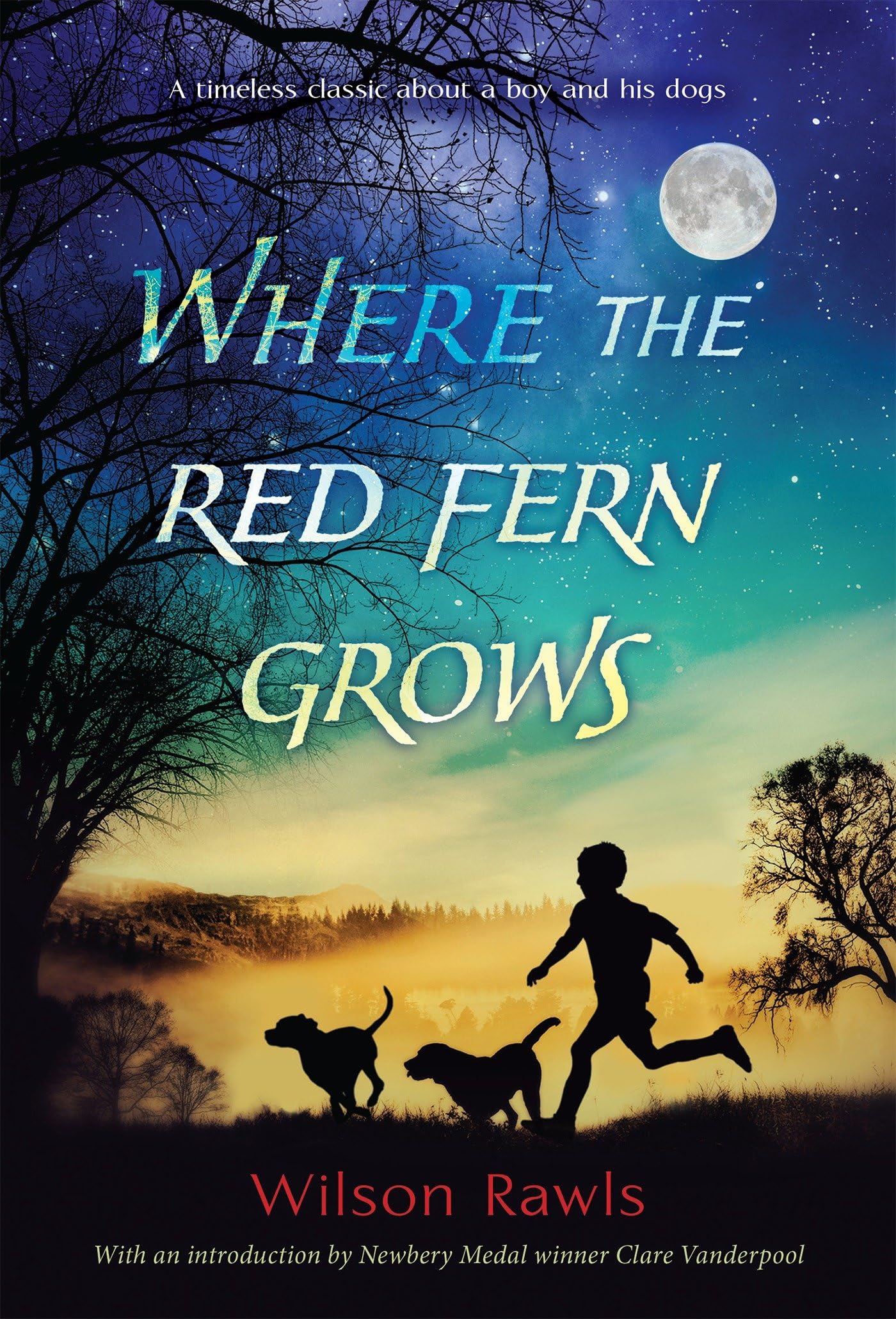
Where the Red Fern Grows

Where the Red Fern Grows

Dog-story fans

Customer rating 4.8/5
Check Price

Worth Noting

  • The tearjerker ending is emotionally heavy
Themes
Dogs, loss, coming of age
Print Length
304 pages
Reading Level
Ages 9+, grades 3-7
Series Or Standalone
Standalone
Read the full review

This is the classic dog story many parents remember, and it earns its place on school lists with a genuine coming-of-age narrative. The emotional weight of the ending is the draw for some and the boundary for others — sensitive children may need adult conversation alongside it. Current-edition quality couldn't be verified from available review text, so consider checking a print copy before gifting.

Bottom line: Best for families seeking a time-honored read-aloud that will spark conversations about loyalty and loss, paired with a box of tissues.

#11

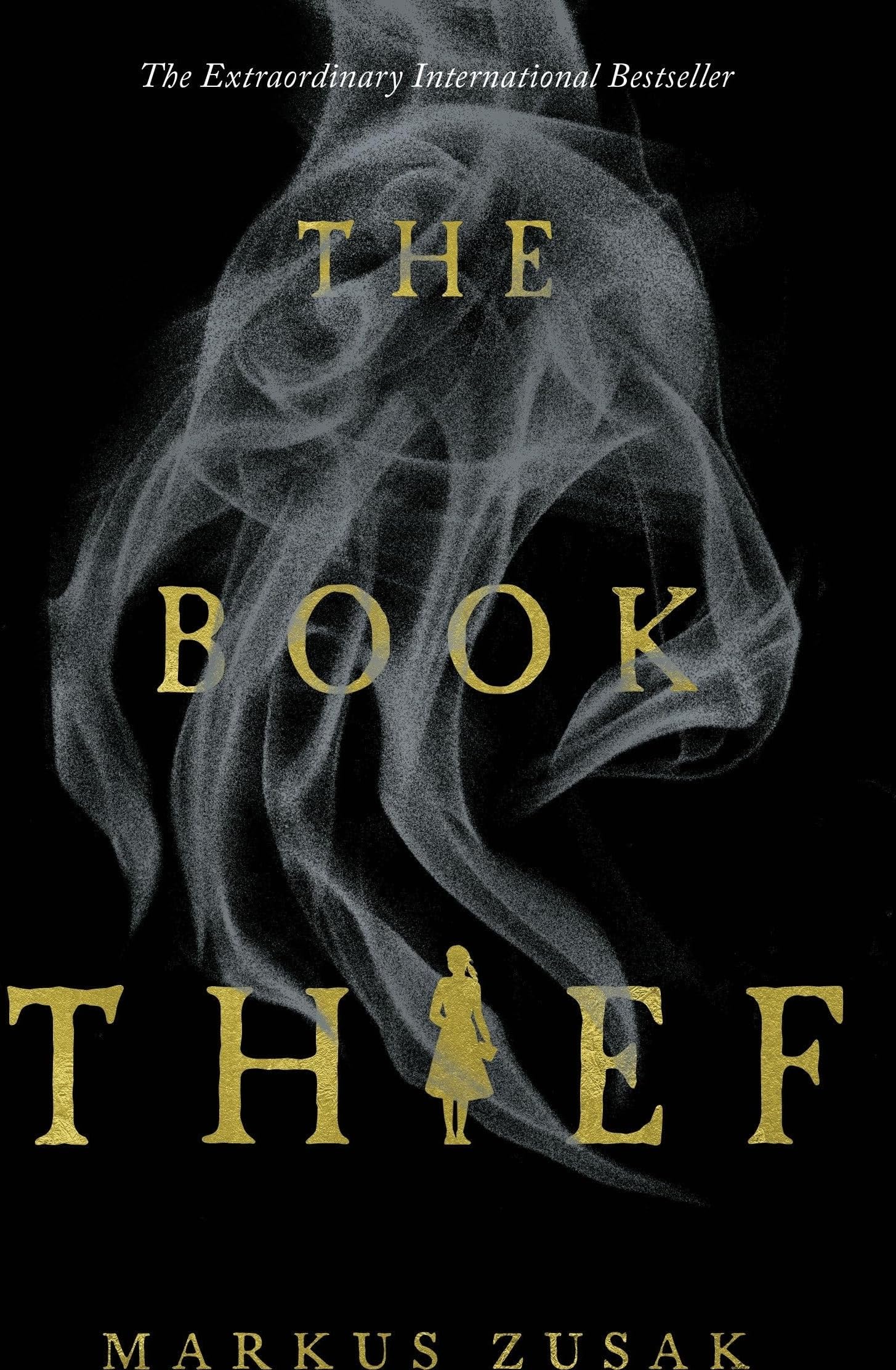
The Book Thief

The Book Thief

Advanced readers

Customer rating 4.6/5
Check Price

Worth Noting

  • For readers needing a linear plot, the shifting WWII timelines can slow comprehension
Themes
WWII, death, loss
Print Length
608 pages
Reading Level
Ages 11+, grades 7-9
Series Or Standalone
Standalone
Read the full review

Death narrates this dense, beautifully written WWII tale with prose and characters that stay with readers long past the final page. The 608-page depth and heavy war-and-loss themes sit at grades 7-9, above typical 5th-grade readiness. Superb for advanced, mature readers — and families who read and discuss together.

Bottom line: Ideal for an advanced, mature 5th grader or a family reading together with an adult to guide the heavier themes — premium literature worth the grade-level stretch.

#12

The Bad Guys Books 1-5

The Bad Guys Books 1-5

Struggling readers

Customer rating 4.9/5
Check Price

Worth Noting

  • For on-grade 5th graders, the comic format offers little stretch
Themes
Humor, redemption, friendship
Print Length
1440 pages total
Reading Level
Ages 6-8, grades 2-5
Series Or Standalone
5-book boxed set
Read the full review

The five-book set pairs Aaron Blabey's goofy anti-heroes with a comic-book layout that keeps pages turning. Kids who say they hate reading can finish whole books in a sitting, and parents get a kick out of the humor too. Its 6-8 reading age sits below the 5th-grade band, so this reads as an easy-confidence pick rather than core classroom fare.

Bottom line: Reach for this five-book set when a 5th grader needs an easy-confidence win or a younger sibling wants the same comic adventures.

#13

Magic Tree House Books 1-4

Magic Tree House Books 1-4

Younger siblings

Customer rating 4.8/5
Check Price

Worth Noting

  • The 5-8 reading age sits below the 5th-grade band
Themes
Adventure, history, education
Print Length
80 pages per book
Reading Level
Ages 5-8, grades 1-4
Series Or Standalone
4-book boxed set
Read the full review

This four-book set is a classic entry point into chapter books, with easy-to-follow stories that build vocabulary and work well as bedtime reading. But at a 5-8 reading age and 80 pages per book, a 5th grader will finish it quickly as low-pressure confidence practice rather than on-grade challenge.

Bottom line: This set fits best as a low-pressure confidence builder for younger siblings or for building reading stamina, not as core 5th-grade material.

How to Choose

Match the Reading Level

Listed reading ages are a rough guide, not a promise. A title flagged for grades 5-9 can pair a 10-year-old's vocabulary with themes and sentence density aimed at teenagers, so the age overlap alone doesn't mean a good fit.

On the other end, books pitched at ages 5-8 vanish in a single sitting, leaving a 5th grader with little sense of accomplishment. The practical target for most 10-11 year olds sits around grades 5-6, where titles like Holes and Hatchet land.

Keep Length Realistic

Page count maps directly to reading stamina. A 600-page novel signals a commitment a reluctant reader may not have, while a 128- to 200-page book lets a hesitant kid finish and feel a win.

Confident readers, by contrast, can absorb 300-plus pages without losing momentum. Match the length to the child's current stamina, not their age.

Treat Awards as a Signal

Newbery medals reliably flag strong writing and real quality, but they reflect adult literary judgment, not guaranteed kid engagement. A prizewinner can sit untouched if the child responds to humor and action over literary prose.

Use the award as a quality floor, then confirm the pacing and subject actually match the reader. A medal tells you a book is well made, not that a specific 5th grader will want to finish it.

Check the Emotional Weight

Several beloved classics carry death, war, or animal loss that parents don't see coming. Charlotte's Web, Where the Red Fern Grows, and The One and Only Ivan all build toward endings that can genuinely upset sensitive readers.

These themes are handled gently, but the weight is real. Match the book to a child's emotional maturity, which often trails behind their reading ability.

Weigh Series vs Standalone

Series momentum keeps kids turning pages — finishing one volume means the next is already queued. But jumping into a later entry, like Wimpy Kid Book 16, leaves new readers without the context that makes the humor land.

Standalones deliver a complete arc in a single book, which suits readers who want closure or bounce between subjects.

Frequently Asked Questions