Books & Reading Product Guide

7 Best Graphic Novels for Kids in 2026: Match the Book to Your Kid

Every 4.8-star kids' graphic novel isn't the same — match slapstick, emotional memoir, or clean puns to your child's temperament and reading level.

7 Best Graphic Novels for Kids in 2026: Match the Book to Your Kid editorial illustration

Nearly every top kids' graphic novel carries a glowing star rating, yet those books deliver wildly different reading experiences. One moves at frantic slapstick speed; another slows down to explore a child's anxious feelings. The rating confirms the book is good — it doesn't tell you whether it fits your kid. That match is what turns a book into a reading habit.

Two mega-franchises dominate this category and earn identical scores for opposite reasons: breakneck action-comedy versus heartfelt memoir. Pick against your child's temperament and even a great book sits unread. Pick with it and a reluctant reader devours the volume in one sitting, then asks for the next.

This guide sorts the top picks by the child each one actually serves — the reluctant early reader, the anxious upper-elementary kid, the fantasy fan, the budding comic artist. Your child's temperament, not the star rating, is the real deciding factor. The safest-bet gift and the perfect-fit pick are not always the same book.

#1

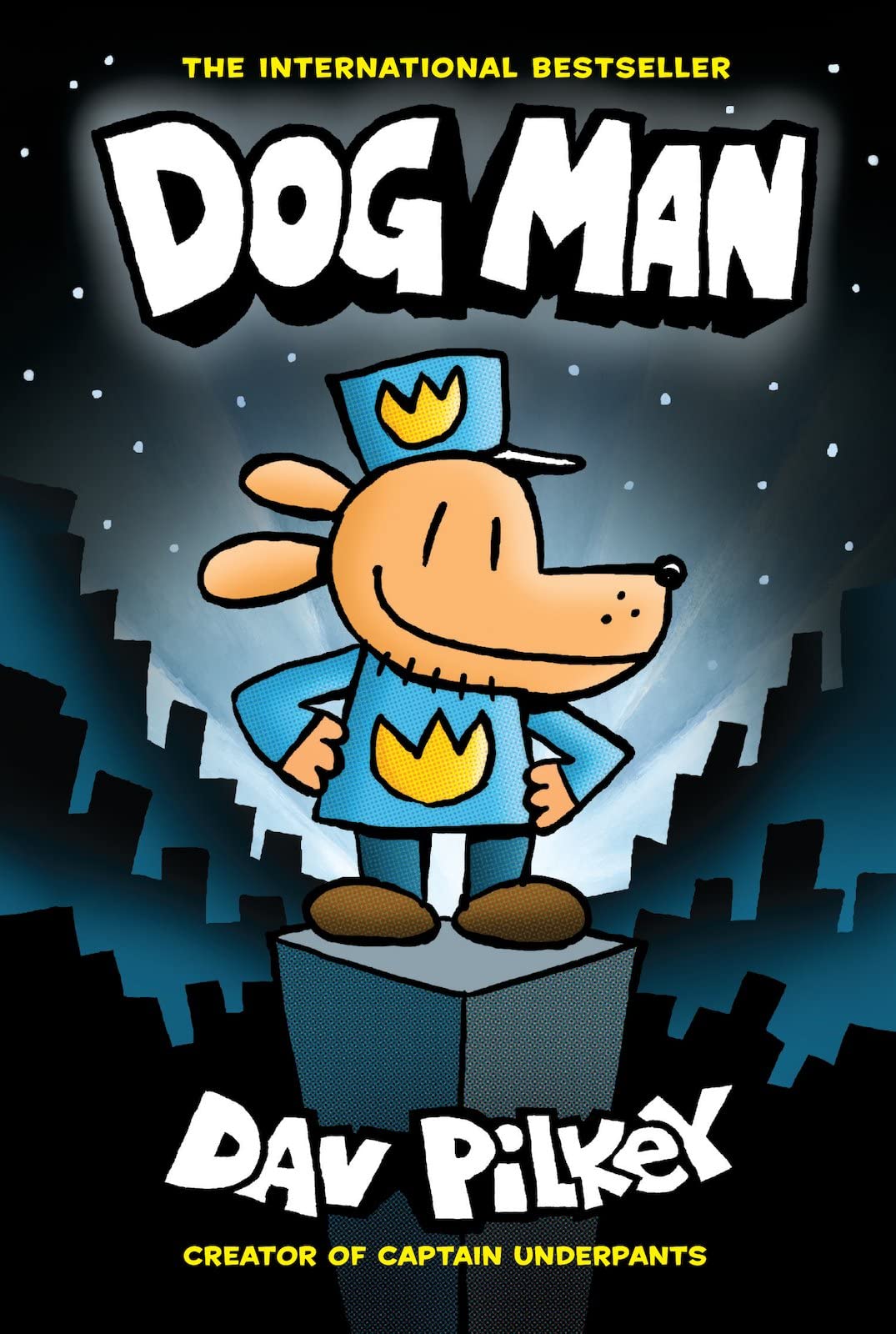
Dog Man #1

Dog Man #1

Reluctant readers 6-9

Customer rating 4.8/5
Check Price

Worth Noting

  • Bathroom sight gags and coarse slapstick run through the comedy
  • Readers past 10 who want layered plot arcs will find the rapid gag-per-page pacing pitched to younger sensibilities
Themes
Silly moral tales
Page Count
240 pages
Humor Style
Slapstick potty humor
Reading Age
6+
Read the full review

Dog Man #1 reads in a single sitting — the difference between a kid who says they hate books and one who finishes all 240 pages before bedtime. Pilkey's gag-per-page pacing and full-color art give 6-9-year-old reluctant readers an instant win, and the franchise loop is built in: finish this one and 14 more volumes are waiting. Kids who avoided reading finish Dog Man on their own and ask for the next volume within days — the conversion pattern that makes it the category's safest gift bet. It draws in boys and girls alike as the broadest-appeal starting point, and at a budget price it's the lowest-cost way to test whether the series clicks before buying deeper into the set.

This is the safe-bet gift for 6-9-year-olds who want silly, fast action-comedy, matching both reluctant readers and kids who already read. Slapstick defines the humor, so families who want clean comedy are better served by Smile or InvestiGators — an easy pass, not a problem book. The single-sitting length also suits bedtime or travel reading, the settings where reluctant readers build momentum fastest.

Flip through a few pages before gifting — the bathroom humor is central to the comedy, so a quick preview settles whether it fits.

Bottom line: For a 6-9-year-old who wants silly action and hasn't clicked with books, this is the entry point that turns a single sitting into a fifteen-book habit.

#2

Smile

Smile

Relatable coming-of-age

Customer rating 4.7/5
Check Price

Worth Noting

  • A single 224-page volume
Themes
Growing-up, friendship
Page Count
224 pages
Humor Style
Sincere heartfelt realism
Reading Age
8-11 yrs
Read the full review

The emotional-realist answer to Dog Man's slapstick comedy — a braces-and-friendship memoir that makes growing up feel like a story kids want to keep turning. Its humor and relatability come through without a single gag, which is why it works so well as a gift for upper-elementary girls.

It's built for girls 8-12 — those in braces or riding middle-school friendship shifts — who prefer heartfelt realism over slapstick. Kids under eight, or readers who want action or fantasy over feelings, won't connect the same way; a child who craves spectacle is better matched to the action-comedy end of this set.

Preview the first pages with any child who finds the dentist genuinely frightening — the opening accident is the most intense stretch, and the rest of the memoir is lighter school-and-friendship territory.

Bottom line: When the child wants a story that mirrors her own world — braces, crushes, shifting friendships — this memoir is the sharper match than any action-comedy.

#3

New Kid

New Kid

School diversity talks

Customer rating 4.7/5
Check Price

Worth Noting

  • Themes of race and class carry more weight than pure entertainment, best for readers ready for discussion
Themes
Diversity, school
Page Count
256 pages
Humor Style
Warm social realism
Reading Age
9-12 yrs
Read the full review

The only Newbery Medal winner in this set, New Kid brings social realism about race and fitting in that the comedy-first picks here can't match. Jordan Banks starts as the new kid at a mostly white private school, where microaggressions and class discomfort surface in everyday exchanges. Teachers and parents call it a welcome break from typical school books — fast enough to hook reluctant readers yet deep enough to invite real conversation.

This suits ages 9-12, especially kids starting at a new school or families wanting Black and mixed-race representation. The weightier themes carry more than entertainment, so a reader should be ready for follow-up discussion — a plus for families who want depth, a consideration for those who prefer pure comedy.

Read alongside your child — the microaggression scenes open conversations worth having together.

Bottom line: The strongest educational pick here — right for classrooms and families who want a book that starts conversation as much as it entertains.

#4

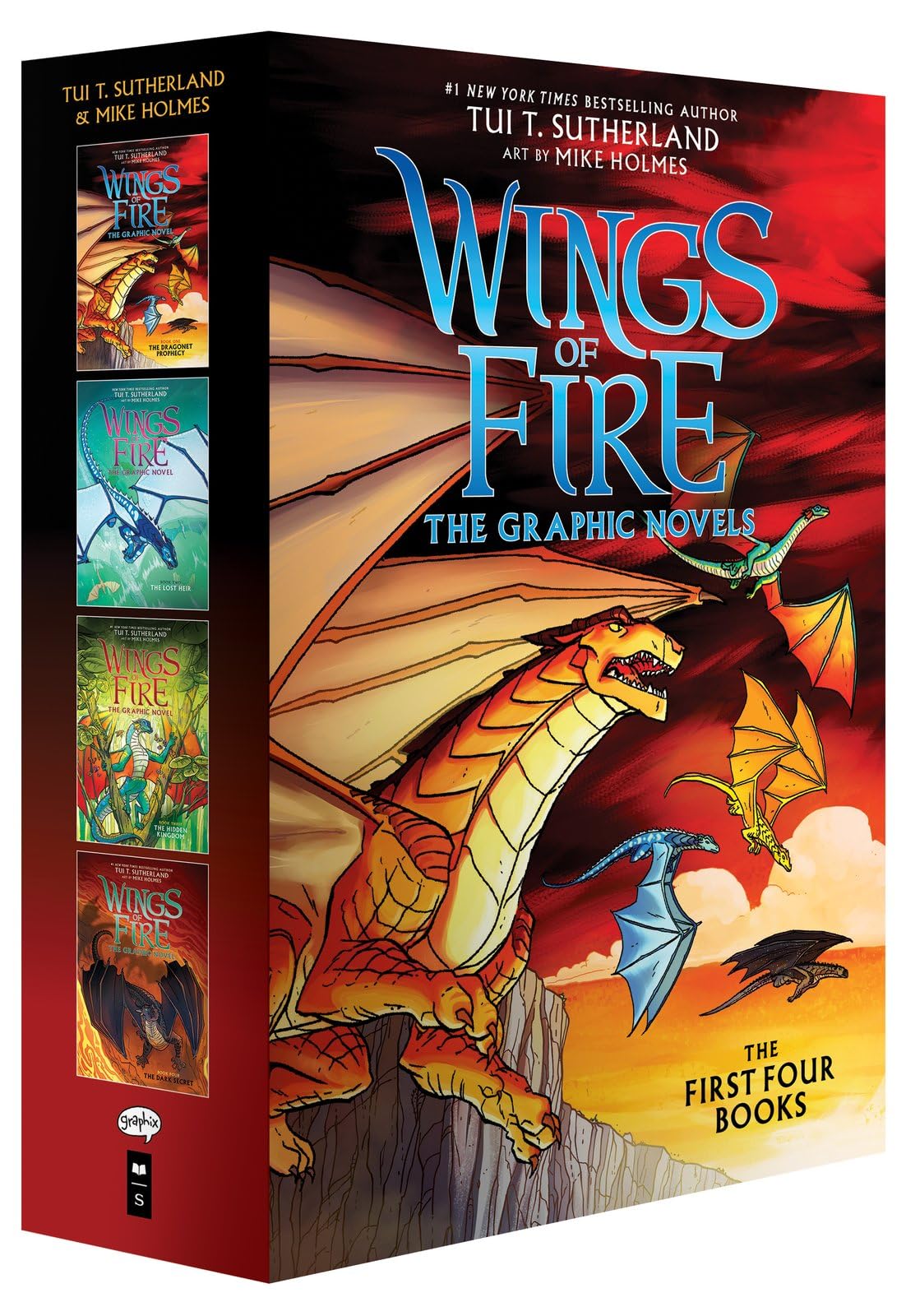
Wings of Fire #1-4

Wings of Fire #1-4

Older fantasy readers

Customer rating 4.9/5
Check Price

Worth Noting

  • A duplicated volume has been reported inside the box
Themes
Adventure, found-family
Page Count
896 pages
Humor Style
Adventure-driven
Reading Age
8-11 yrs
Read the full review

Wings of Fire trades Dog Man's frantic slapstick for a grown-up fantasy arc — 896 pages of dragons and found-family across four volumes, built to pull readers into longer sessions rather than one-sitting giggles. Colorful illustrations keep the action vivid, and the multi-volume continuity rewards committed readers.

Best for fantasy-loving readers 8-11 who have outgrown Dog Man's comedy and crave narrative depth — a graduation pick that four volumes of dragon adventure make easy. Younger and realistic-story readers won't engage; the arc belongs to kids ready to commit to a longer tale.

Bottom line: The next step for an elementary reader who finished Dog Man and wants genuine stakes — a dragon saga that rewards longer sessions over quick laughs.

#5

InvestiGators

InvestiGators

Clean-humor beginners

Customer rating 4.8/5
Check Price

Worth Noting

  • Readers 10+ with deeper series on their shelf may find the wordplay simpler than Dog Man or Wings of Fire.
Themes
Mystery, wordplay
Page Count
208 pages
Humor Style
Clean pun wordplay
Reading Age
6-9 yrs
Read the full review

InvestiGators delivers pun-crafted wordplay with none of Dog Man's bathroom humor — a clean lane that keeps teachers comfortable sharing it with a class. Its how-to-draw pages extend the fun past the final chapter, and the quick one-sitting pacing pulls emerging and dyslexic readers into finishing the run.

Best matched to emerging readers 6-9 and parents who want gateway momentum without the potty focus — teachers reach for it as a classroom-safe series, while its pun-slanted read sits simpler for kids 10 and up who've outgrown Dog Man or Wings of Fire.

Bottom line: For the child who wants Dog Man's momentum minus the bathroom humor, this budget-priced opener is the clean fit — a teacher-approved series that turns wordplay into reading progress.

#6

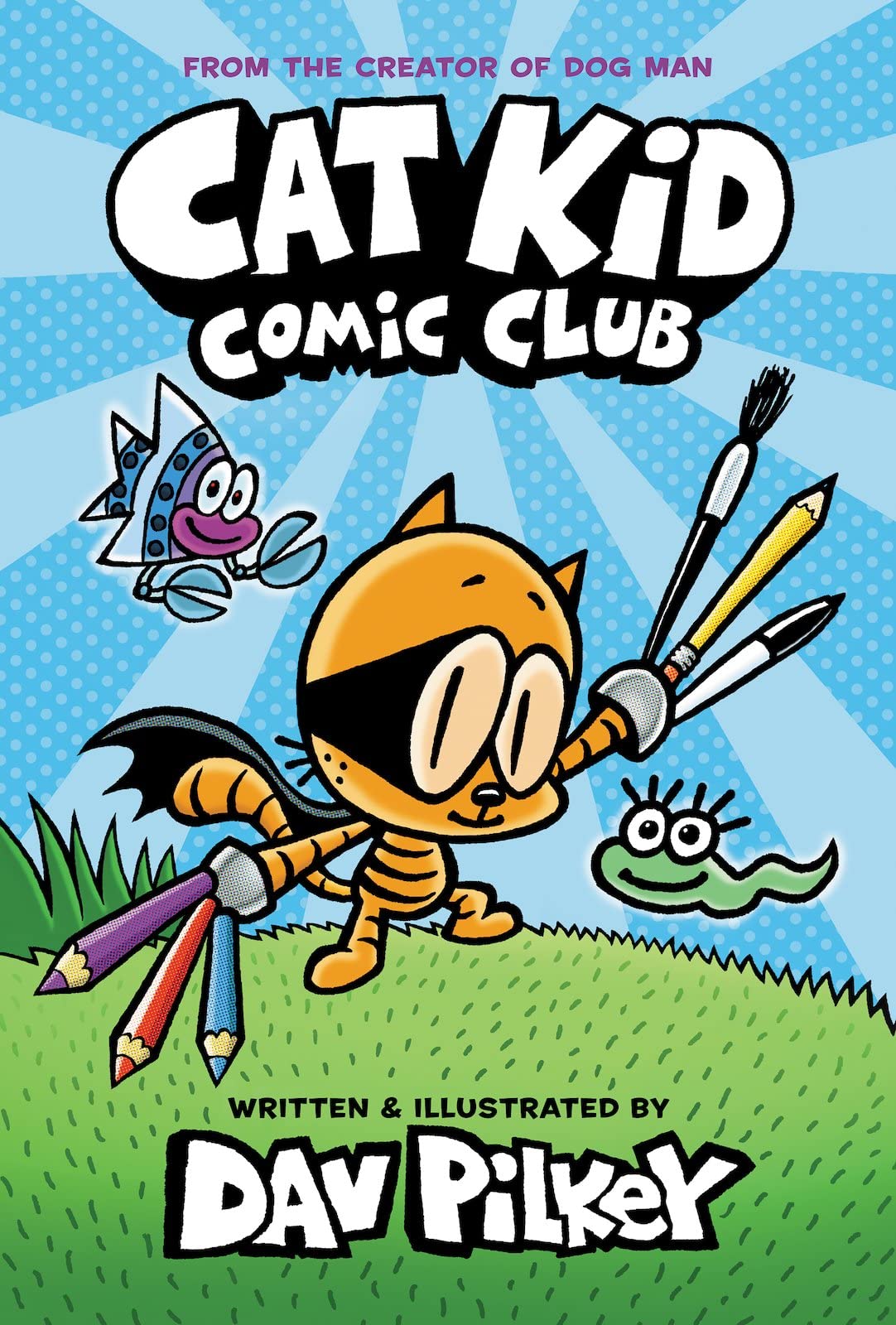
Cat Kid Comic Club #1

Cat Kid Comic Club #1

Budding comic creators

Customer rating 4.8/5
Check Price

Worth Noting

  • Newcomers to Pilkey's humor style may not find the jokes connect right away.
Themes
Creativity, life lessons
Page Count
176 pages
Humor Style
Encouraging slapstick
Reading Age
7-9 yrs
Read the full review

Cat Kid Comic Club is the big-title pick in this set built around producing comics, not just reading them — kids close the book and start sketching their own characters on every scrap of paper. Pilkey's humor runs through it with positive life lessons layered in, keeping the tone loose while the making-art idea stays front and center.

Best for creative 7-10 year olds who want to make their own comics — the art-making premise drives the whole book. Kids who prefer pure action adventure are better served by Dog Man itself, since this one needs a spark of drawing interest to click.

Bottom line: For creative kids who want to try making their own comics, Cat Kid is the rare book that keeps them engaged after the last page.

#7

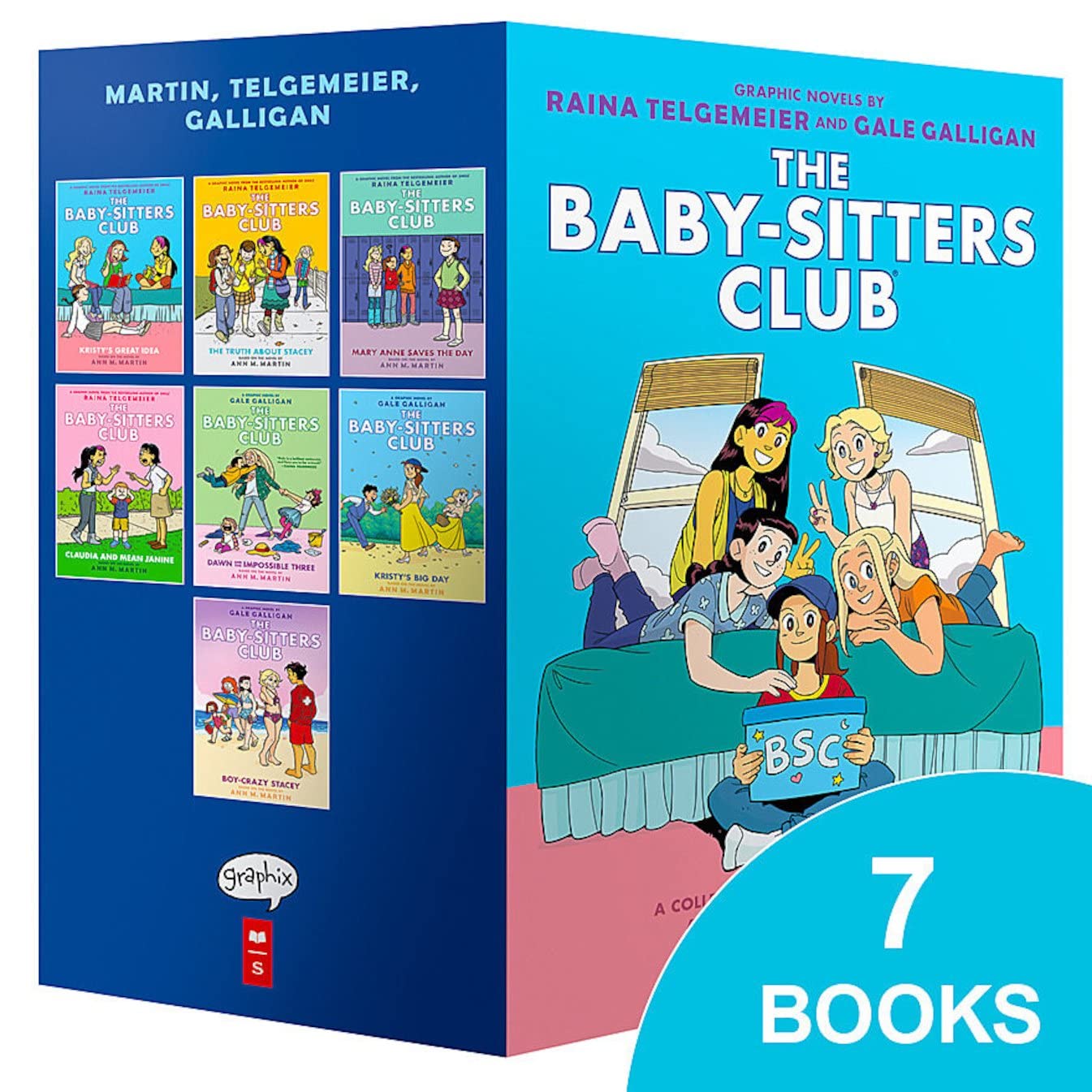
BSC #1-7 Box Set

BSC #1-7 Box Set

Series-marathon fans

Customer rating 4.8/5
Check Price

Worth Noting

  • Upfront box-set cost is the highest in this set
Themes
Friendship, responsibility
Page Count
1760 pages
Humor Style
Friendship realism
Reading Age
8-11 yrs
Read the full review

Seven color friendship volumes at roughly $5.50 per book undercut the price of singles and pull girls into reading. It's a favorite gift for 8-9 year olds already sold on the premise. The tradeoff is the highest upfront cost in this set — a commitment, not a trial buy — which suits families stocking a summer reading run more than one-book gift-givers.

Bottom line: Best for a family already sold on the Baby-sitters Club — or hooked on the TV show — who wants a deep per-book price on a full summer reading run and can absorb the upfront cost.

How to Choose

Reading Age vs. Readiness

Publisher age labels on graphic novels estimate vocabulary and decoding difficulty, but they don't measure emotional readiness or attention span. Dog Man lists 6+, yet many parents find the pacing clicks best at 7-9, while Telgemeier's memoirs list 8-11 but connect most with kids who can follow friendship drama over a 224-page arc.

Use the printed label as a floor, not a verdict. A voracious 8-year-old can handle a grade 3-7 memoir while a reluctant 9-year-old still needs a slapstick hook — your knowledge of the child's actual stamina beats the back cover every time.

Pick a Humor Style Your Kid Loves

Humor style is the single biggest predictor of whether a kid finishes a graphic novel — and the two mega-franchises earn identical ratings for opposite reasons. Slapstick with potty jokes lands hard with 6-9 year olds but falls flat with kids who want emotional stories, and the reverse is just as true.

Choose the humor your child already laughs at, not the humor adults think is clever. A book that doesn't make a child laugh won't get reopened, no matter how it's rated.

Standalone vs. Series Commitment

Series position quietly determines whether a book works as a gift or lands confusing. A later Dog Man or InvestiGators volume assumes the reader knows characters and in-jokes from earlier books, so a book 13 handed to a first-time reader baffles instead of delights.

Box sets solve the 'what happens next' spiral and cut the per-volume price roughly in half, but they commit you upfront to a reading run the child may not sustain. Buy volume one first to test the hook; only invest in a box set once the child is already asking for more.

Page Count and Reading Stamina

Page count in a graphic novel measures stamina differently than in prose, because images carry half the meaning — a 240-page volume reads in roughly the same sitting as a 40-page chapter book. Kids who finish a book in one afternoon gain the confidence and hunger that turns reluctant readers into regular ones.

Look for volumes your child can realistically clear in a single sitting rather than ones that look 'meaty' on paper. The win is finishing, not page count.

Social-Emotional and Educational Themes

Some graphic novels carry an explicit social-emotional payload: New Kid opens conversations about race and fitting in, while Pilkey's and Telgemeier's books weave life lessons into humor and memoir. That turns the book from a single sitting's entertainment into a recurring conversation starter — a genuinely different value for parents and teachers.

Heavier themes require a reader ready for emotional depth. A sensitive child under 8 may need a purely funny title first, with the weightier books saved for when they can sit with the feelings they stir.

Frequently Asked Questions