Books & Reading Product Guide

13 Best Early Readers Books of 2026: Which Teach Real Decoding

Which early readers books actually teach decoding and which lean on sight words, so you can match your child's true reading stage.

13 Best Early Readers Books of 2026: Which Teach Real Decoding editorial illustration

A pack that says 'phonics' on the cover doesn't always deliver it. Many early reader sets mix in irregular sight words like 'the' and 'said,' which can stop a true beginner mid-sentence. What looks like a gentle start can turn into a frustrating wall for a child still learning to sound out simple words.

The fix is less about finding the most famous titles and more about matching the book to your child's exact stage. A systematic phonics set and a rhyming read-aloud serve very different moments - one builds decoding, the other builds love of language.

This guide separates structured programs from story-driven readers so you can spot the difference on a shelf, and choose the path that fits a four-year-old learning letter sounds versus a six-year-old gaining fluency.

#1

Bob Books Set 1

Bob Books Set 1

Phonics starters

Customer rating 4.8/5
Check Price

Worth Noting

  • The repetitive, simple plots can feel thin to readers who want more of a story.
  • Sparse ink drawings and small trim size may not engage children who love colorful art.
Book Count
12 books
Story Length
12-page books
Illustrations
Minimal line art
Reading Level
Preschool-1
Read the full review

Twelve books that add letter sounds in a strict sequence, so every word a child meets stays decodable from the very first story — nothing requires a sight word they haven't encountered. That controlled progression is what separates it from the teacher-built guided reading packs, which mix in irregular words an absolute beginner hasn't learned yet. Because each volume introduces only a handful of new sounds, a brand-new reader strings sounds together and finishes a whole book within the first session, a win that fuels the next one. Individual books stay short enough to read in one sitting, keeping early frustration low.

This is the pick for parents who want a deliberate phonics spine and for children who gain confidence from sounding out a complete book alone. The ink drawings and small trim size are intentionally spare, so kids who need strong visual stimulation may find them flat, and the repetitive plots can feel thin to readers who want more story. For a child whose main job is decoding, that plainness works — the simplicity is exactly what makes each title finishable. Teachers and families reinforcing school reading get steady, buildable practice, and the compact books slip easily into a bag.

Rotate in a vibrant picture book at story time; the spare pages leave decoding room, and extra color keeps visual-heavy kids engaged.

Bottom line: This is the starter set for a new reader — each finished book builds the confidence to open the next, and the strict sequencing keeps every word within a child's reach.
#2

Beginner Book Boxed Set

Beginner Book Boxed Set

Rhyming read-alouds

Customer rating 4.9/5
Check Price

Worth Noting

  • Made-up words trip up a child learning strict letter-sound rules
  • A few stories run longer than a brand-new reader's attention span
Book Count
5 books
Story Length
Varied lengths
Illustrations
Bold full color
Reading Level
Preschool-2
Read the full review

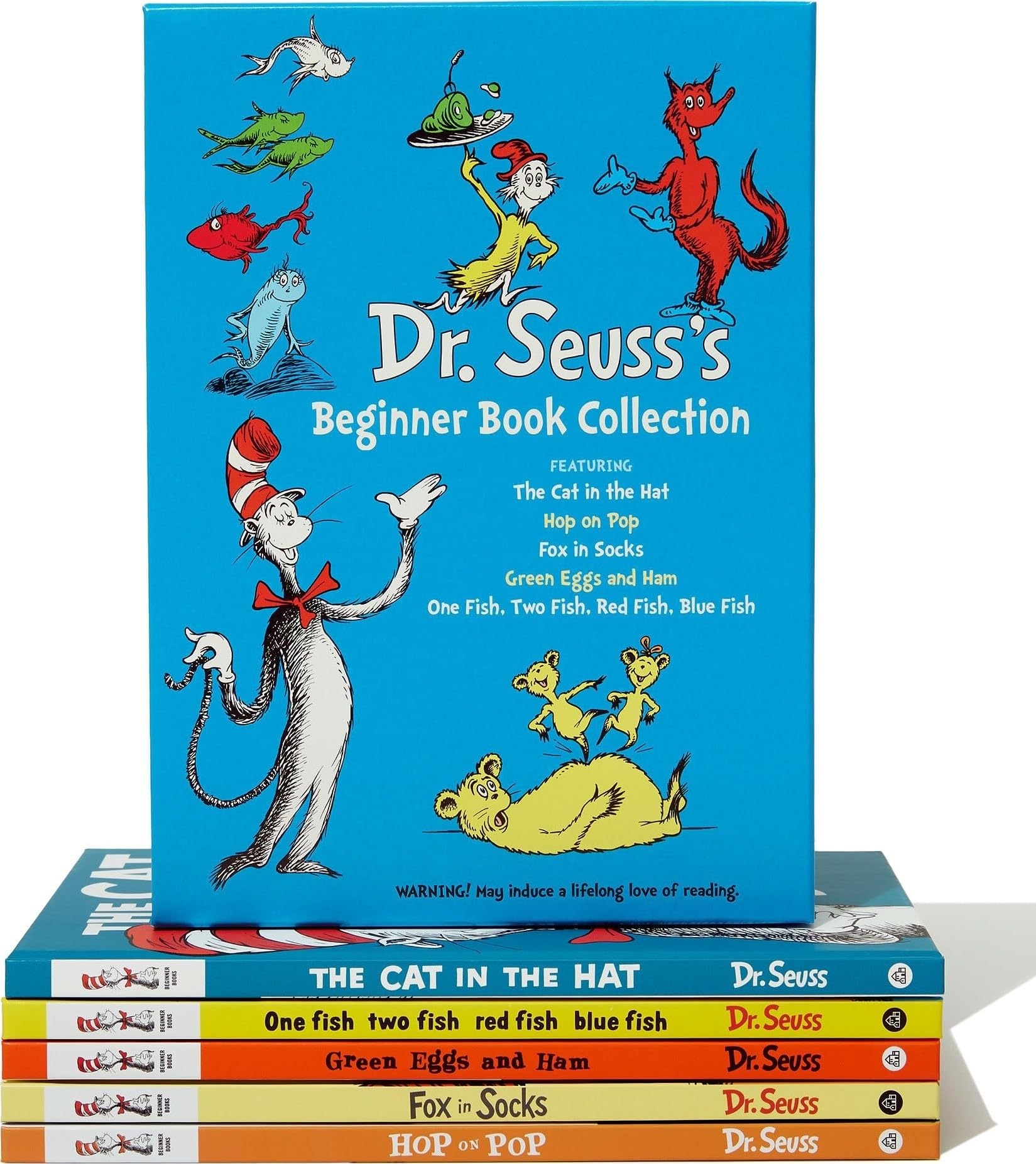
Five of the most iconic Seuss Beginner titles — The Cat in the Hat, Green Eggs and Ham, Hop on Pop, Fox in Socks, and One Fish Two Fish — arrive in one boxed set that leans on rhythm, rhyme, and repetition rather than structured letter-sound pacing.

This suits gift-givers and households with several children after a comprehensive starter library, where reading happens aloud and a small child memorizes the sing-song lines long before decoding them. Made-up words like 'zizzer-zazzer-zuzz' can still confuse a child building pure phonics, so it works best as a companion to a separate phonics set rather than a sole reading program.

Bottom line: This is the confidence and language-love companion to a phonics program — books a child wants to rehearse repeatedly, memorizing the rhythm before decoding. Where the top pick sequences letter sounds, this set trades decoding certainty for character charm.

#3

First Little Readers A

First Little Readers A

Guided reading

Customer rating 4.7/5
Check Price

Worth Noting

  • For a child just starting to sound out words, a few titles include vocabulary above level A.
Book Count
25 books
Story Length
8-page books
Illustrations
Simple color art
Reading Level
Preschool-2
Read the full review

Twenty-five short mini-books step up gradually across level A, with repeating sentence frames that carry a new reader through an entire story. Because the text mixes in sight words rather than pure phonics, the stories read closer to real books than a strictly decodable set.

Best for a child with a few early sight words who wants lots of repeated practice — it mirrors the guided reading path kindergarten classrooms use. A few titles rise above level A, so a brand-new decoder can meet words they can't yet sound out; previewing those in advance keeps the run smooth.

Bottom line: A useful bridge for families whose child reads at the same guided level their classroom uses — without the decoding demands of a pure phonics set.

#4

Biscuit's Neighborhood

Biscuit's Neighborhood

Very first readers

Customer rating 4.9/5
Check Price

Worth Noting

  • Sight-word based, so it offers minimal letter-sound groundwork for a child who still needs to sound words out.
Book Count
5 books
Story Length
32-page books
Illustrations
Sweet color art
Reading Level
Preschool-3
Read the full review

Five micro-stories lean on basic sight words like 'the' and 'and' plus everyday nouns a toddler already knows, so recognition precedes decoding. Each tale wraps up in a few minutes, making this the gentlest on-ramp in the roundup — the shortest step toward independent reading that a very young child can take.

A first-book win for parents of the very youngest readers, around ages 3-5, and dog-loving households that will re-read the same short Biscuit tale nightly. The premium price covers only five brief books, so cost-per-story runs high — and a child already ready for longer sentences will outgrow it quickly.

Bottom line: A gentle confidence-builder for the very first reading stage — a toddler who recognizes a few words and wants a tiny, lovable story to call their own.

#5

Silly Milly

Silly Milly

Early confidence

Customer rating 4.8/5
Check Price

Worth Noting

  • A single 32-page story, so it won't carry a child through weeks of daily practice.
Book Count
Single title
Story Length
32 pages
Illustrations
Cute color art
Reading Level
Preschool-3
Read the full review

Silly Milly is a single rhyming story built around a 'yes or no' question with a twist ending, short enough that a first-time reader finishes the entire book in one sitting. Easy words and short sentences keep decoding achievable for kindergartners and first graders, and the humor earns genuine laughs along the way. The tradeoff sits with scope: this is one 32-page title, so it delivers a single satisfying win rather than the sustained practice a multi-book leveled set provides.

Bottom line: The pick for a child ready to try reading alone who wants one finished book to call their own; choose a multi-book set when sustained daily practice is the goal.

#6

Tyrannosaurus Rex

Tyrannosaurus Rex

Dino fans

Customer rating 4.8/5
Check Price

Worth Noting

  • The single story ends quickly, so a child already reading simple sentences gets no added stretch.
Book Count
Single title
Story Length
32 pages
Illustrations
Colorful cartoon art
Reading Level
Preschool-1
Read the full review

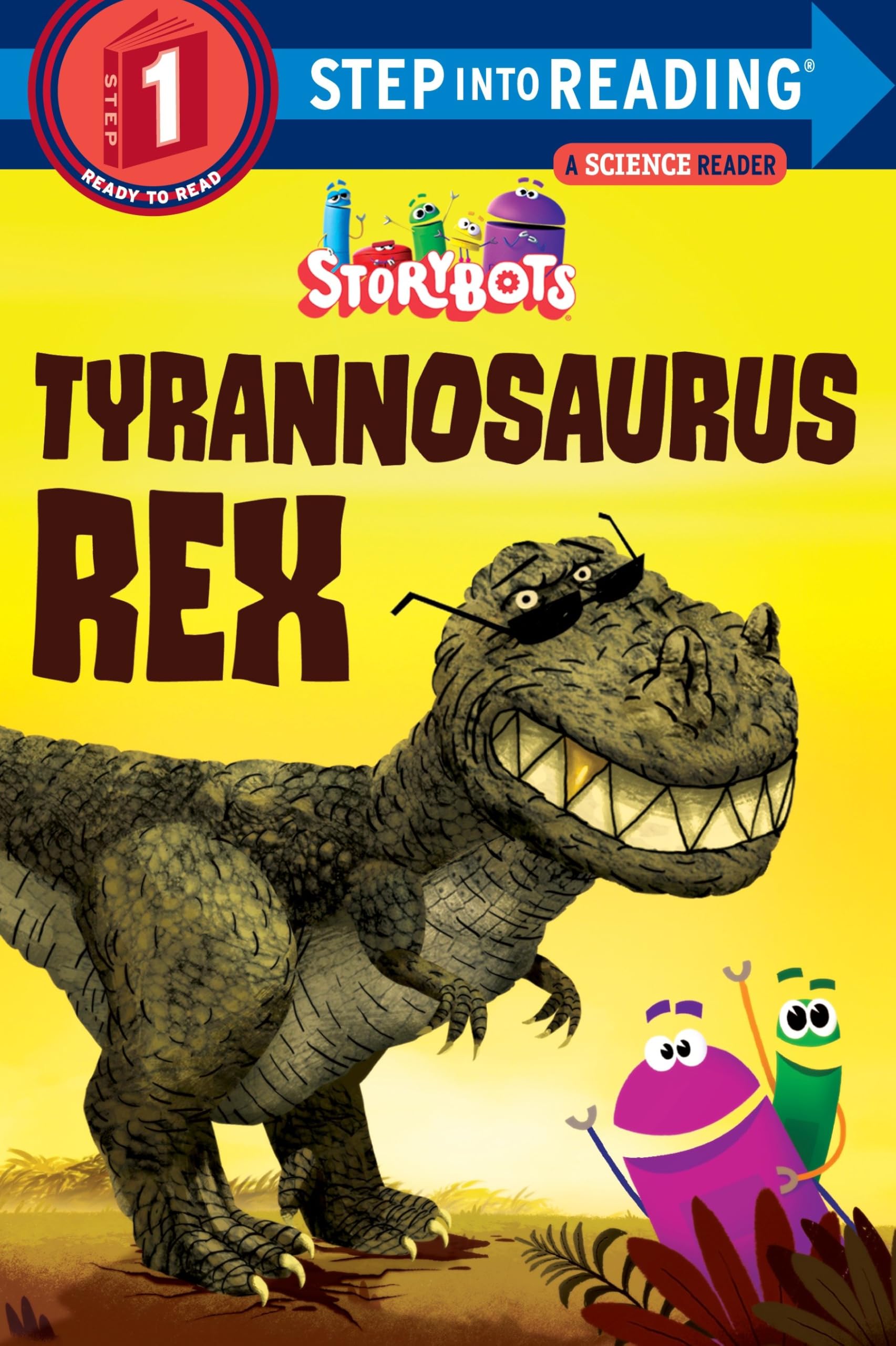
Dino facts and oversized print pull a dinosaur-obsessed beginner through real decoding — each page offers a new creature detail worth sounding out. Unlike the read-aloud dino book in this roundup, this Step 1 title has a child actually read the words themselves, with colorful illustrations offering picture clues.

Best for the dino lover who needs motivation more than method — a child who balks at worksheets but happily sounds out 'Tyrannosaurus' to learn what it ate. It's one finishable story, not a systematic program, so parents building a full phonics sequence should start with a leveled set instead.

Bottom line: The right call for a dino-obsessed first reader who needs a reason to keep decoding — budget-priced and finishable in one sitting. Reach for a leveled set when you're ready to build real reading momentum.

#7

First Little Readers B

First Little Readers B

After Level A

Customer rating 4.8/5
Check Price

Worth Noting

  • Presumes guided Level A is already complete
Book Count
25 books
Story Length
8-page books
Illustrations
Simple color art
Reading Level
Ages 4-6
Read the full review

Twenty-five level B mini-books advance a confident early reader past Level A, pairing simple sentences with picture support to build real momentum. Several titles read above the stated level, so preview the order — this works as a sequel, not a starter set.

Bottom line: Reach for this after its level A companion — the right next step for a child who has already finished the first pack.

#8

First Little Readers E&F

First Little Readers E&F

Advancing readers

Customer rating 4.8/5
Check Price

Worth Noting

  • Starts at level E, beyond children who are still making their way through the very earliest readers.
Book Count
16 books
Story Length
Short stories
Illustrations
Color art
Reading Level
Ages 5-6
Read the full review

Sixteen level E-F stories ease a child who handles predictable text into genuine independent reading, with difficulty climbing gradually like classroom leveled readers. The set expects a child who already decodes simple words, so it won't scaffold letter-sound learning for a beginner who still needs that help.

Bottom line: For a child already reading at level D who's ready to step up, this pack delivers real independent-reading practice; absolute beginners should start with a level A set.

#9

May I Please Have a Cookie?

May I Please Have a Cookie?

Manners lesson

Customer rating 4.8/5
Check Price

Worth Noting

  • A single story with narrow vocabulary, so it suits one sitting rather than sustained practice
Book Count
Single title
Story Length
32 pages
Illustrations
Cute color art
Reading Level
Preschool-3
Read the full review

The cookie-themed tale pairs a real lesson in asking politely with short lines a new reader can decode, and the humor keeps the pages turning. Being a single book, it offers about one sitting of practice, so a child building reading stamina will need a set alongside it.

Bottom line: Choose this when the goal is one fun manners-focused book a young reader can manage alone, not a broader reading program.

#10

Have You Seen My Dinosaur?

Have You Seen My Dinosaur?

Dino read-alouds

Customer rating 4.8/5
Check Price

Worth Noting

  • For a child ready to sound out words on their own, the sparse text gives little decoding practice
Book Count
Single title
Story Length
48 pages
Illustrations
Full-page color
Reading Level
Preschool-2
Read the full review

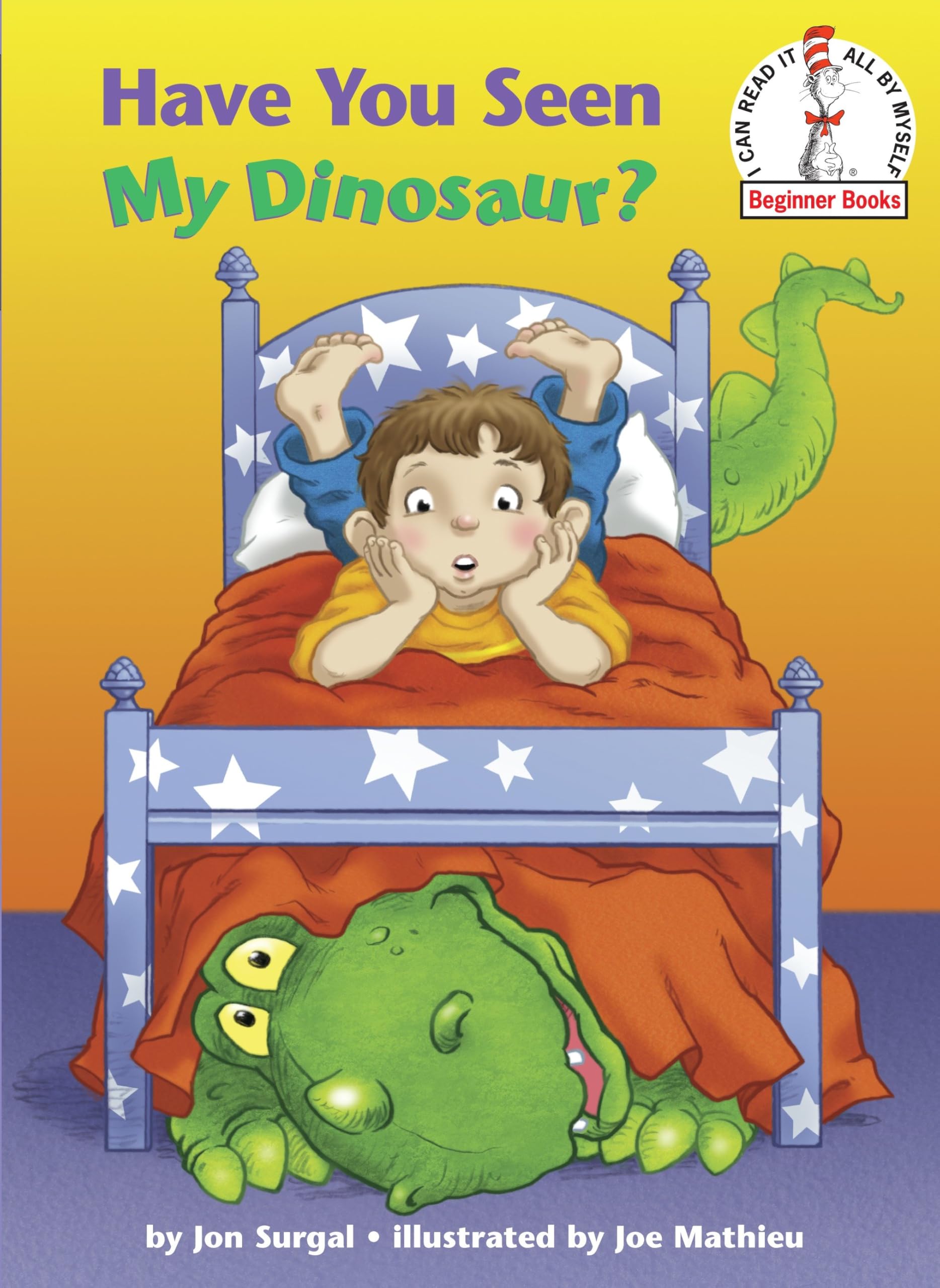
A rhyming dinosaur search with full-page illustrations holds a preschooler's attention through a favorite subject, and the repetitive lines make an effortless parent read-aloud. But the light text volume suits pre-readers more than children reading alone, so it can't serve as a stepping stone toward independent decoding.

Bottom line: Ideal as a cozy read-aloud for dinosaur-loving toddlers and preschoolers — choose a leveled reader set instead once a child begins decoding solo.

#11

Big Green Book

Big Green Book

Budget Seuss

Customer rating 4.9/5
Check Price

Worth Noting

  • Seuss's invented-word play passes over controlled phonetic vocabulary
Book Count
6 stories
Story Length
Varied lengths
Illustrations
Classic color art
Reading Level
Preschool-2
Read the full review

This collection packs six lesser-known Beginner Book stories into 256 pages of value, with Wacky Wednesday the standout. The budget price suits a first Seuss purchase, yet the five most iconic titles sit in the costlier boxed set, leaving this volume a smart supplement rather than the full classic collection.

Bottom line: Ideal as the frugal starter set for bedtime variety when the core classics aren't essential.

#12

Pete the Cat Phonics

Pete the Cat Phonics

Character motivation

Customer rating 4.7/5
Check Price

Worth Noting

  • To a beginner relying on phonics, some irregular words can frustrate rather than reinforce
Book Count
12 books
Story Length
Short stories
Illustrations
Character color art
Reading Level
Preschool-3
Read the full review

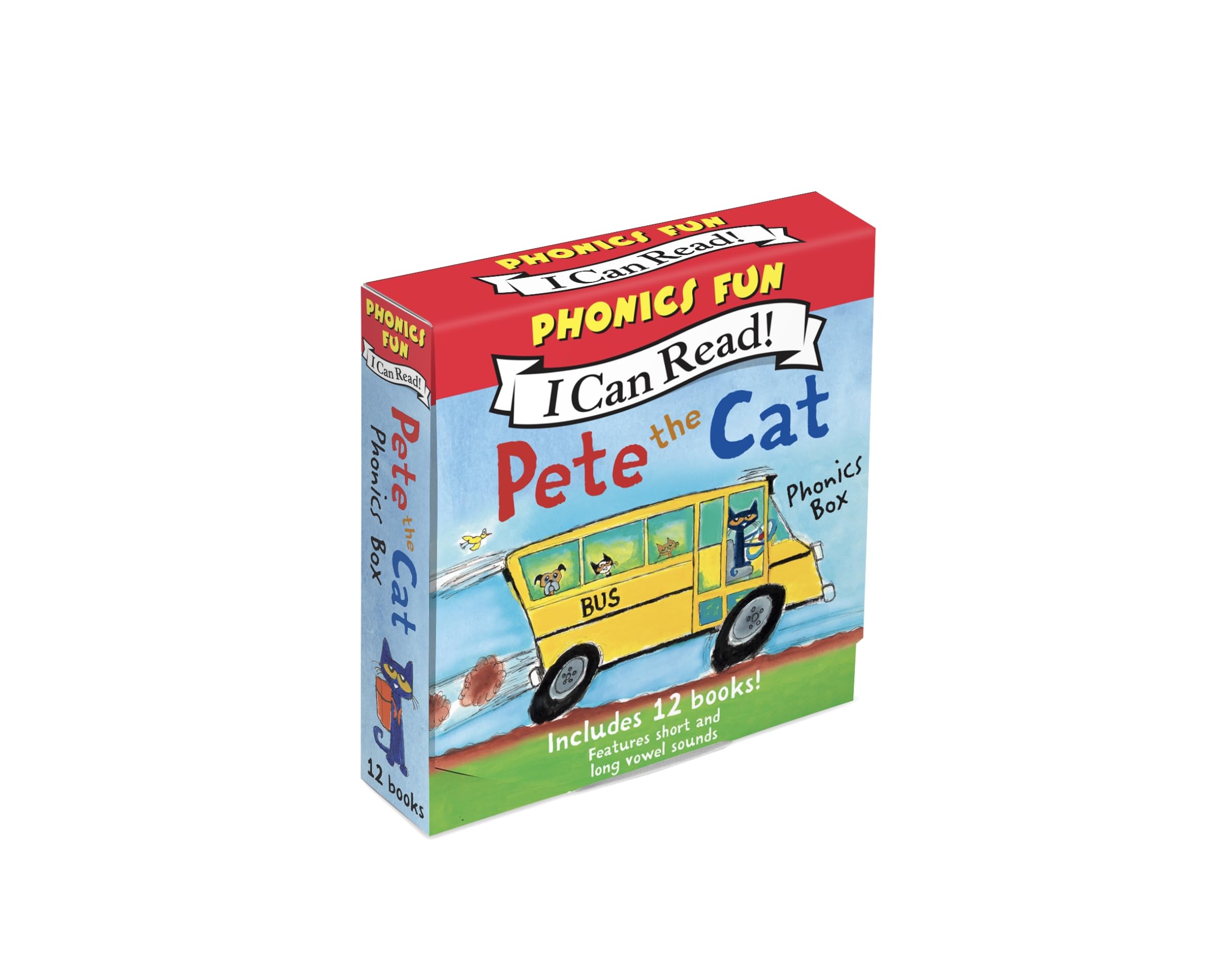
Pete the Cat's twelve mini-books run on charm - a beloved blue cat carries each story, and kids who love him push through decoding for the payoff of the next page. The set isn't phonically controlled; irregular spellings can trip up a child who's still mastering letter sounds.

Bottom line: For a Pete the Cat superfan who needs motivation more than strict phonics, these stories deliver page-turning momentum - pair them with a true decodable set for real sound-building.

#13

Put Me in the Zoo

Put Me in the Zoo
Customer rating 4.8/5
Check Price

Worth Noting

  • A lone book, so it can't offer the repeated practice a leveled set provides.
Read the full review

Familiar Seuss-style rhymes and playful spot illustrations give this Beginner Book a nostalgic pull that keeps a young child turning pages. The short, rhythmic text reads best aloud on a lap, where the cadence carries the listener rather than asking them to decode. For a child learning letter sounds, it is a story to share, not a sequence to practice.

Bottom line: Choose it for shared lap reading with a preschooler who loves rhyme; pick a sequenced set when the goal is independent decoding.

How to Choose

Match the Reading Level

Printed age ranges are averages, not guarantees. A four-year-old may decode smoothly while a six-year-old still leans on pictures. If a child trips on more than one word in twenty, the book sits above their level.

Leveled sets sequence books so each assumes mastery from the last. Buying a step ahead because a child 'seems ready' usually backfires - guessing replaces decoding and confidence drops.

Phonics vs. Sight Words

True phonics sets control vocabulary so every word can be sounded out from taught letter sounds. A book labeled 'phonics' that still uses 'the,' 'said,' or 'come' forces memorization mid-story - a beginner stalls, guesses, or asks for help.

If your goal is pure decoding, check vocabulary control in the first few pages. If your child already knows a bank of sight words, a mixed text is less of a hurdle.

Number of Books

A single title gives a child one set of words to rehearse. A set reuses the sounds and sight words of earlier books while adding a few new ones - repetition with expansion is what builds fluency.

Sets also change the economics. Five books cost somewhat more than one, but per-story cost drops and the ladder stays for younger siblings.

Story Length

Beginners have short stamina. A 40-page story tests endurance, not decoding, and a child who reads every page can still finish exhausted. Short books of eight to sixteen pages deliver a complete 'I read a whole book' win each sitting.

Don't rush upward within a set. Finishing one longer story says little about readiness; what matters is reading without stopping to guess.

Illustrations and Engagement

In a well-aligned early reader, pictures match the small vocabulary so a child can confirm a sounded-out word. Busy, unrelated art distracts and gives no cue.

That's why minimal drawings sometimes serve reading best - they push the child to the text. Character-rich books trade a little decoding focus for motivation. Choose based on which your child needs more right now.

Frequently Asked Questions