Books & Reading Product Guide

13 Best Books for Reluctant Readers in 2026: Picks Kids Can't Put Down

Find books with short chapters, humor, and series momentum that turn 'I don't want to read' into 'one more page.'

13 Best Books for Reluctant Readers in 2026: Picks Kids Can't Put Down editorial illustration

Many parents default to literary classics when a child resists reading, only to watch those books collect dust. The real barrier for reluctant readers is rarely difficulty—it's the feeling that reading is a chore. Books that break through share a few predictable traits: short chapters that deliver quick wins, humor that makes them laugh, and a series that builds momentum.

The picks in this guide focus on those engagement triggers across a range of ages—from early chapter books for five-year-olds to gripping middle-grade novels for twelve-year-olds. Whether your child loves action, animals, or video games, the right match can flip the switch from avoidance to 'just one more chapter.'

#1

Bad Guys Boxed Set 1-5

Bad Guys Boxed Set 1-5

Ages 6–9

Customer rating 4.9/5
Check Price

Worth Noting

  • The illustration-heavy comic layout delivers short bursts of text rather than flowing prose.
  • Punchline-driven humor stays light, so it may not hold readers who want a story with emotional weight.
Series
Yes
Grade Level
2–5
Reading Age
6–8 years
Print Length
1440 pages
Read the full review

Every page of The Bad Guys runs on gags and short visual bursts, so the story moves at the speed of a cartoon rather than a chapter book. Kids who stall on dense prose breeze through these five volumes, with each book short enough to finish in a single sitting. The effect is immediate: children who refuse books pick this up and keep turning pages without being asked. The deadpan premise — a crew of villain-animals trying to be good — keeps jokes arriving at a rate that holds even the most distracted reader, and adults get the layered humor too, which makes it work as a read-aloud.

This set is built for reluctant readers aged six to nine who need quick wins and a reason to pick up a book on their own. The trade-off lands on the adults: some parents worry this comic-style engagement is not 'serious' reading — it is, in the sense that the child finishes it voluntarily and asks for the next volume. Five books in a mid-range boxed set give enough material to build a reading habit before the series needs reloading, and the easy wording means little frustration when a child reads alone. Older middle schoolers holding out for text-heavy novels will find the level aimed at a younger crowd.

Bottom line: For a parent chasing voluntary reading, this boxed set succeeds where dense prose stalls: a child who finishes a book reaches for the next one.

#2

Magic Tree House 1-4

Magic Tree House 1-4

Ages 5–8

Customer rating 4.8/5
Check Price

Worth Noting

  • Working through all four books in sequence, the similar quest structure becomes noticeable for faster readers.
Series
Yes
Grade Level
1–4
Reading Age
5–8 years
Print Length
80 pages
Read the full review

Jack and Annie's time-travel adventures open with short, simple chapters and 80-page lengths that hand a new reader an early win. Four settings — dinosaurs, a knight, mummies, pirates — let a child sample varied worlds, and finishing one volume pulls naturally into the next.

This set targets the 5-8 child moving from picture books into solo reading — the reader the comic-style top pick passes over. Stories do become predictable after a few volumes, a tradeoff that matters only once a child outgrows the comfort of a familiar structure. Kids who prefer graphic novels won't find visual breaks here.

Bottom line: The gentlest on-ramp to solo reading in this set, built for 5-8 readers who gain confidence with each finished volume.

#3

Hatchet

Hatchet

Ages 9–14

Customer rating 4.7/5
Check Price

Worth Noting

  • Kids who depend on comic panels for momentum may lose steam with a pure prose format.
Series
Yes
Grade Level
5–9
Reading Age
9+ years
Print Length
192 pages
Read the full review

Unlike the comic format of the top pick, Hatchet is pure prose — and that's exactly its strength for the right reader. The crash lands Brian alone in the Canadian forest with only a hatchet, and Paulsen's spare, immediate sentences build tension that pulls even resistant readers forward. Each chapter closes on a new hurdle: food, shelter, weather, a plane that never lands.

This fits readers aged nine to fourteen who want stakes over silliness — the kid who finishes a chapter to see if Brian finds food, not because a joke made them laugh. Fans of fantasy or sci-fi may not connect with the grounded realism. And the intense moments, including the crash and perilous animal encounters, can genuinely frighten sensitive children, who should wait until ready for that weight.

Bottom line: For the nine-to-fourteen reader who wants adrenaline over jokes, Brian's survival run is a book that gets finished.

#4

Trapped in a Video Game Series

Trapped in a Video Game Series

Ages 8–12

Customer rating 4.8/5
Check Price

Worth Noting

  • For a child who dislikes gaming, the constant video game framing offers little to hold their attention.
Series
Yes
Grade Level
3–6
Reading Age
8–10 years
Print Length
—
Read the full review

A story that moves like a game — short chapters that feel like levels, high-score tension, and a forward momentum that never stalls. Each scene raises the stakes in a way familiar to anyone who has chased a boss battle, and the dialogue keeps the energy up even when the plot stays simple. For reluctant readers aged 8 to 12 who live for gaming, finishing a chapter delivers the same small win as clearing a stage.

That same reliance on gaming does limit the audience. Kids with no interest in video games or technology themes will find little to pull them in, and the plot prioritizes momentum over character depth. For the right reader, though, it turns a screen habit into a reading one — and the complete series keeps that momentum unbroken across several books.

Bottom line: This is the set for a kid glued to a screen — it turns gaming energy into reading momentum, and for that reader it gets finished on its own.

#5

Because of Winn-Dixie

Because of Winn-Dixie

Ages 8–12

Customer rating 4.7/5
Check Price

Worth Noting

  • The gentle pacing unfolds gradually, so children who expect constant action may feel restless
Series
No
Grade Level
4–7
Reading Age
8+ years
Print Length
192 pages
Read the full review

This dog-and-girl story touches emotions without turning sappy. Opal rescues Winn-Dixie at the grocery store, and through him meets her new town one memorable character at a time, each chapter deepening her sense of belonging. The measured pacing lets that bond grow naturally, which is exactly what makes the ending land.

It's a strong fit for 8-12-year-olds who connect with animal stories and want a read that sparks conversation about friendship and family; the gentle, character-driven pace rewards sitting with a story as it weaves emotional payoffs that linger after the last page.

Bottom line: The heart-forward pick for families who want a read-aloud that opens into real conversations about friendship and belonging, rewarding children who savor a story's slow build.

#6

Restart

Restart

Ages 10–12

Customer rating 4.7/5
Check Price

Worth Noting

  • Rotating narrators can blur together in dialogue-heavy stretches, making it tricky to track who is speaking
  • The anti-bullying message can feel pointed in places, reading more like a lesson than a story
Series
No
Grade Level
3–7
Reading Age
10–12 years
Print Length
256 pages
Read the full review

Restart opens with Chase tumbling off a roof and waking without his memories; the catch is that as fragments return, he learns he was the school's resident bully. The rotating viewpoints — Chase, his sister, a fellow student he tormented — keep each chapter moving while layering the guilt and growth that drive the redemption arc.

This fits reluctant readers aged 10-12 who respond to moral lessons and character development over non-stop action. The bullying themes are handled directly and can feel intense, so sensitive readers may find the weight heavy — but it's that weight that makes the book a natural conversation starter rather than a quick laugh.

Bottom line: Restart suits the reader who wants a story to land a lesson, trading the top pick's laugh density for stakes that last after the book closes.

#7

The Wild Robot

The Wild Robot

Ages 7–12

Customer rating 4.8/5
Check Price

Worth Noting

  • For kids craving instant action or fast comedy, the reflective pacing can feel slow.
Series
Yes
Grade Level
3–7
Reading Age
7+ years
Print Length
320 pages
Read the full review

The Wild Robot blends emotional depth with curiosity — robot Roz washes ashore and learns to survive alongside wild animals. Short chapters keep momentum, and questions about belonging and kindness linger long after the final page. Its reflective pacing rewards patient kids; those needing instant comedy or non-stop stakes may feel the story slow.

Bottom line: Best for patient, thoughtful readers who enjoy animal-and-friendship stories with quiet depth rather than rapid-fire plots.

#8

Holes

Holes

Ages 9–12

Customer rating 4.7/5
Check Price

Worth Noting

  • Kids who prefer fantasy over realistic fiction may find the grounded setting less magnetic
Series
No
Grade Level
5–6
Reading Age
9+ years
Print Length
288 pages
Read the full review

A multi-strand mystery that hooks with suspense: a detention camp, a family curse, and a century-old crime interlock into a hard-to-put-down plot. Themes of justice and consequence carry real weight, so best for readers 9 and up — the same maturity that makes it less universal than the top picks, rewarding the older reluctant reader who wants depth.

Bottom line: For the older reluctant reader in grades 5-6 who wants a mystery with real weight behind it, this is the pick that gets finished — and gets talked about.

#9

I Survived Titanic

I Survived Titanic

Ages 8–10

Customer rating 4.7/5
Check Price

Worth Noting

  • The 1912 period setting won't pull in readers who steer toward fantasy or modern stories.
Series
Yes
Grade Level
2–5
Reading Age
8–10 years
Print Length
112 pages
Read the full review

This 112-page story drops readers into the Titanic's final hours with a fast, personal voice, and real history lands without a lecture. It suits kids 8-10 who can handle intense moments, since the disaster's weight is truly felt. A strong single title, though the broader series doesn't lock in reluctant-reader momentum as tightly as our top picks.

Bottom line: Pick this for kids 8-10 who want a short, history-backed survival tale and can sit with the tragedy — readers who avoid period settings should look elsewhere.

#10

Frindle

Frindle

Ages 8–10

Customer rating 4.7/5
Check Price

Worth Noting

  • After a quick finish, engaged readers may want a sequel that never comes; series picks chain better.
Series
No
Grade Level
3–7
Reading Age
8–10 years
Print Length
112 pages
Read the full review

Nick invents the word 'frindle' and turns a vocabulary lesson into a playful school-wide rebellion. Clever, witty, and rewarding for curious readers, with short chapters that get finished quickly. Pacing is gentle rather than intense, and as a standalone it can't chain into a next volume the way series picks do.

Bottom line: Best for a classroom library or a word-loving reader who wants one clever standalone — not for kids chasing an ongoing series.

#11

Boy Who Harnessed Wind

Boy Who Harnessed Wind

Ages 9–12

Customer rating 4.7/5
Check Price

Worth Noting

  • Kids who only want fantasy plots may find the real-world framing less magnetic.
Series
No
Grade Level
5–9
Reading Age
9–12 years
Print Length
304 pages
Read the full review

William Kamkwamba's true story of building a windmill from scrap makes real-world STEM read like a rescue mission. Drought and hunger give the engineering genuine stakes. The nonfiction structure won't hook kids who want only fantasy — a use-case boundary, not a flaw. For a 9–12 year old curious about how things work, it's a compelling real-life hero tale.

Bottom line: For the STEM-curious 9–12 year old who finds fiction tedious, this true-story narrative makes reading feel purposeful — provided they'll accept a real-life hero over a made-up one.

#12

Mouse and Motorcycle

Mouse and Motorcycle

Ages 5–9

Customer rating 4.7/5
Check Price

Worth Noting

  • The gentle classic pacing can feel too slow for older kids who want modern humor and fast-paced action
Series
Yes
Grade Level
3–7
Reading Age
5–9 years
Print Length
176 pages
Read the full review

Ralph the mouse's motorcycle rides through the Mountain View Inn turn a quiet setting into pure whimsy, and Beverly Cleary's warm, simple prose makes it a joy to read aloud. The comfort of its classic pacing suits ages 5-9 beautifully — older kids hunting for modern humor or high-stakes action will find the story gentle rather than gripping.

Bottom line: Choose this for a snug read-aloud with ages 5-9; if your reluctant reader craves fast-paced stakes, the higher-tier picks deliver more momentum.

#13

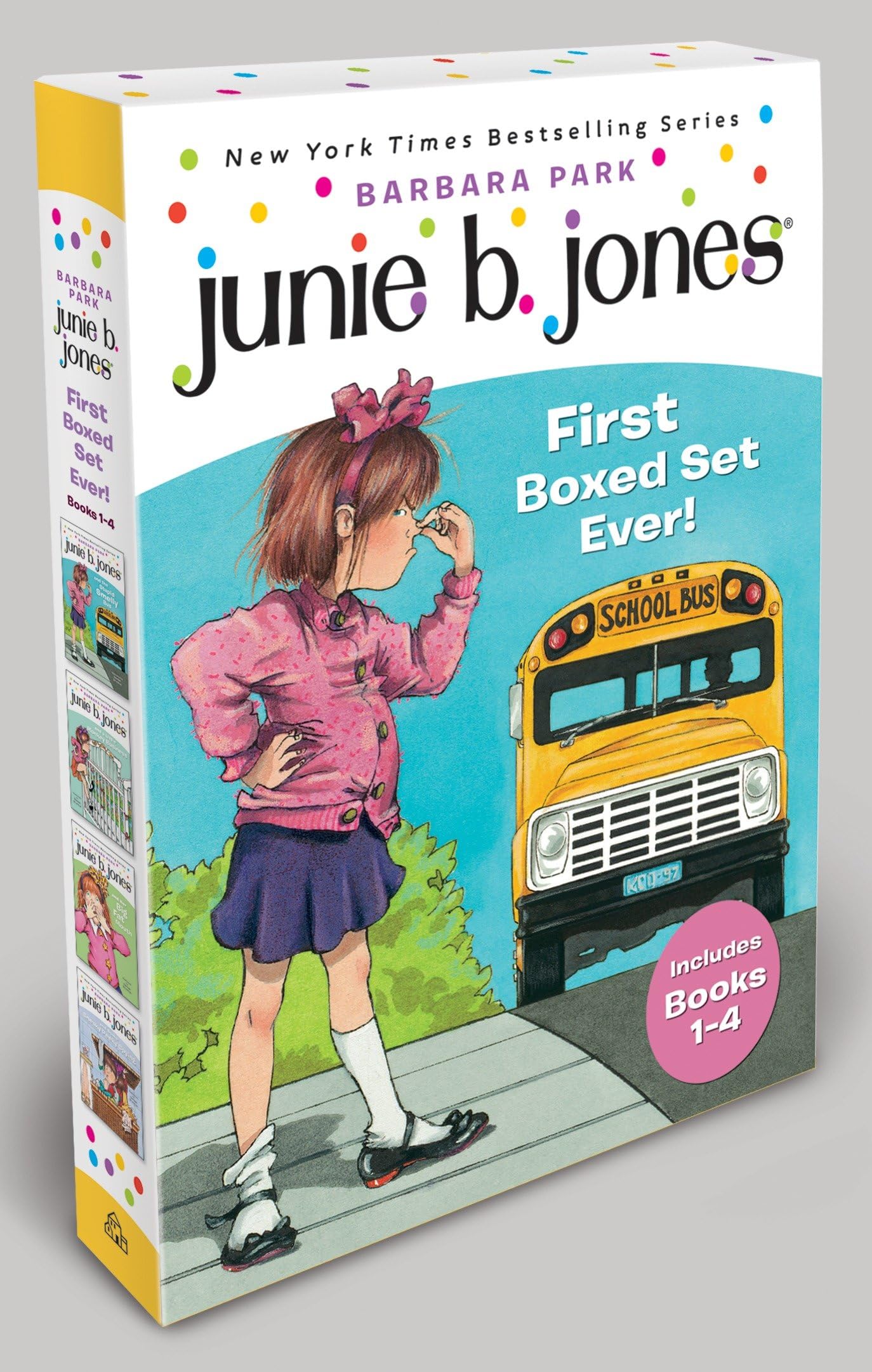
Junie B. Jones Boxed Set

Junie B. Jones Boxed Set

Ages 5–7

Customer rating 4.8/5
Check Price

Worth Noting

  • Deliberate grammar errors and unkind words can put off parents who value standard English
Series
Yes
Grade Level
1–4
Reading Age
5–7 years
Print Length
—
Read the full review

Junie B. delivers laugh-out-loud school antics that keep early readers coming back for more. The deliberate grammar errors and unkind words may concern parents who prefer clean standard English — a genuine mismatch for strict households, though the humor lands reliably with kids who enjoy a sassy narrator.

Bottom line: Best for parents relaxed about playful grammar and mild mischief — skip it if standardized English matters at home.

How to Choose

Reading Age

Reading age is a better starting point than grade level for reluctant readers. A child might be at grade level yet still avoid books that feel too babyish or too adult in content. The publisher's age range is an average, not a guarantee; a 10-year-old may connect with a 9+ label, but an 8-year-old might feel overwhelmed by the same book even if they can decode it.

When you match the reading age to the child's emotional maturity, you keep the story relevant and the obstacles manageable. A book that feels 'too young' risks boredom, while one that feels 'too old' invites frustration. Let the protagonist's age and the tone guide you as much as the number on the cover.

Grade Level

Grade level reflects curriculum expectations, not engagement potential. A fifth-grader may be assigned a sixth-grade book but lack the patience for its longer sentences and subplots. Reluctant readers often need shorter, more direct prose even if they can handle more complex text.

The hidden trade-off is that grade-level designations can mislead. A high grade level sometimes signals sophisticated themes that require real-world knowledge a kid may not have. If a book feels like homework, it will lose its appeal. Check both grade level and the actual chapter length to gauge whether it fits the reader's stamina.

Print Length

Short chapters are the powerhouse feature for reluctant readers. Each chapter offers a natural stopping point that triggers a sense of completion—a quick 'I finished this part' win. This is why many successful picks for these kids have chapters that run 5 to 10 pages.

The trade-off emerges with total book length. A very short book (under 120 pages) can feel insubstantial to an older reader, while a 300-page novel might intimidate a newbie. The sweet spot is a longer book with short chapters; it builds confidence without feeling like a marathon. Look for that balance rather than simply picking the thinnest option.

Series Availability

Series books create a built-in incentive to continue: when a child finishes book one, the next volume is already waiting. This removes the decision of 'what do I read next' and leverages the character investment they've built. Boxed sets magnify this effect by placing multiple books in one purchase.

But series can lose steam. Some titles get formulaic after a few installments, and a child who loved the first may lose interest by the third. If you're buying a boxed set, start with one volume to confirm the child wants more. The upfront cost of a full set is a gamble until you see the enthusiasm.

Humor and Illustration Style

Humor lowers the emotional barrier: a joke on page three makes the reader feel smart and entertained, which fuels the desire to turn the page. Visual humor, like in comic-style layouts, provides extra context that supports decoding and reduces text density. This is why many reluctant readers gravitate toward graphic novels and heavily illustrated books.

The trade-off is perception—some parents worry that humorous or comic-style books are 'not real reading.' They are: these formats exercise the same inference and comprehension skills as prose, and they build stamina. The risk is that humor dates quickly; a joke that lands today may fall flat in a few years. Still, for a child who needs an immediate hook, humor is the most reliable in this category.

Frequently Asked Questions