Learning Games Product Guide

11 Best Board Games for Family Game Night 2026: Stealthy Learning Fun

Find board games that make family game night fun for every age — easy to teach, fast to play, and quietly building math and thinking skills.

11 Best Board Games for Family Game Night 2026: Stealthy Learning Fun editorial illustration

The biggest surprise on any family game night shelf isn't a new release — it's how the classics have changed. Several beloved titles now ship with thinner boards, smaller card stock, and tougher-to-read colors than the versions parents remember. The age printed on the box also understates the real learning curve.

That's why this guide sorts through the family-friendly set with two questions in mind: which games are genuinely easy to teach to mixed ages, and which ones quietly build math and thinking skills without feeling like homework. Fast sessions matter too — a game that drags past 45 minutes rarely makes it back to the table.

The other truth is component quality. The most dependable purchases in this category are card-heavy formats with protective storage, not thin plastic boards that wear at the seams. Match the game to your youngest player's actual ability — not the number on the box — and you'll pick something the whole household actually plays.

#1

magilano SKYJO

magilano SKYJO

Stealthy math practice

Customer rating 4.8/5
Check Price

Worth Noting

  • Light strategy ceiling
Ages
8+
Players
2-8
Play Time
30 min
Learning Value
Math, probability
Read the full review

SKYJO is the one game here that keeps an eight-year-old and a grandparent engaged at the same table, wrapping addition, probability, and estimation practice inside a 30-minute set-collection race that spans 2-8 players. The hidden-card reveal keeps every turn tense without physical slaps or loud reactions, and because all players act from their own hands simultaneously, nobody sits idle waiting for a turn. Scoring is simple — lowest total wins — so teaching takes under one round, and calling when to end your turn early is the core risk decision that keeps sessions moving briskly.

Best for education-focused families and households of five to eight who want a single game that includes everyone, SKYJO assumes addition fluency on entry — children under eight need rule adjustments and help with quick sums to keep pace. Rounds resolve in about 30 minutes, suit a recurring game-night staple rather than a one-off novelty, and deliver screen-free math practice that never announces itself as homework across many sessions.

Bottom line: For a three-generation household, this is the one pick where math practice never announces itself — 30 minutes, 2-8 players, everyone included.
#2

Mattel UNO Card Game

Mattel UNO Card Game

Universal classic

Customer rating 4.8/5
Check Price

Worth Noting

  • In adult hands the smaller cards can feel cramped, and the tin is bulkier than a card box for travel.
Ages
7+
Players
2-10
Play Time
15 min
Learning Value
Color matching
Read the full review

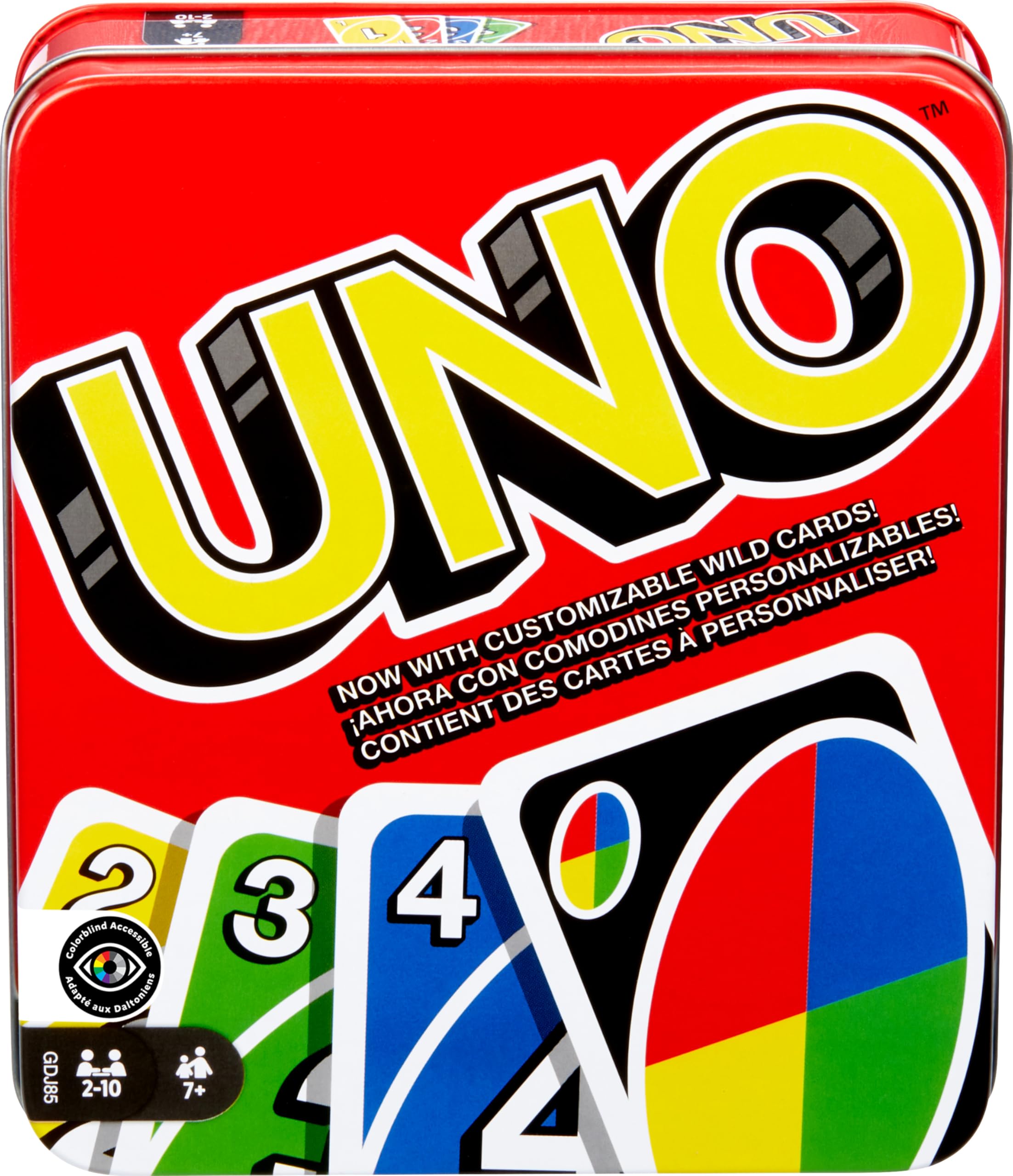
UNO needs no teaching moment — everyone at the table already knows the color-and-number matching, so the first round starts within seconds on any player count from two to ten. Where this set's strategy pick demands a 30-minute arithmetic session, UNO pays off in the first fifteen seconds.

Color-blind symbols keep the deck readable by every player, so families from kids to grandparents join the first round with zero hesitation. Best for groups that value instant play over hand feel — anyone expecting a longer strategy session should look to the top pick in this set.

Travel with the cards loose or in a deck box — the tin adds bulk that short trips don't need.

Bottom line: For any gathering that wants to be playing within a minute, UNO is the right call — it just won't carry a strategy-heavy night.

#3

Jax SEQUENCE Board Game

Jax SEQUENCE Board Game

Large groups

Customer rating 4.8/5
Check Price

Worth Noting

  • Cards run smaller than classic editions
Ages
7+
Players
2-12
Play Time
30 min
Learning Value
Strategy, teamwork
Read the full review

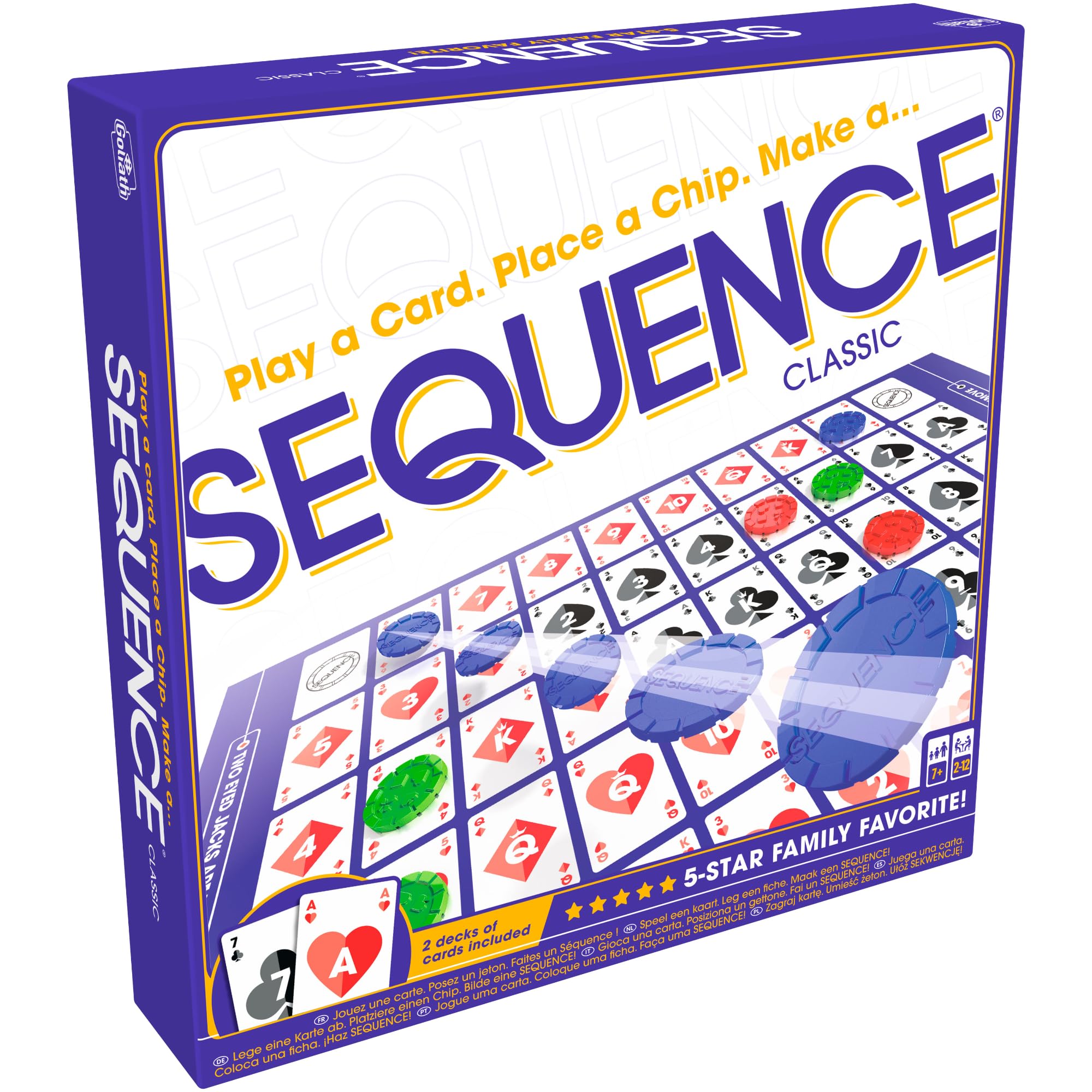
With team play, a single folding board accommodates up to twelve players — the only pick here that never leaves anyone out. The card-plus-board hybrid pairs card matching with area control, so adults and kids play as one team while the rules stay learnable within minutes.

This suits large extended families and multi-household gatherings where team play balances ages naturally, so a full table is the one assumption. The board is thin with a center fold that can look like a defect fresh out of the box — noticeable at setup, and easy to ignore once play begins.

Bottom line: For large multi-household gatherings where a twelve-player team cap is the deciding factor, Sequence fits better than any smaller-scale pick in this set.

#4

Pressman Rummikub

Pressman Rummikub

Brain-building play

Customer rating 4.8/5
Check Price

Worth Noting

  • Larger family gatherings can't all join
Ages
8+
Players
2-4
Play Time
45 min
Learning Value
Pattern sequencing
Read the full review

Cross-generational pattern play that moves at a single unhurried pace — build runs and sets from shuffled number tiles while everyone at the table thinks at their own rhythm. The rummy-style sequencing rewards planning over reaction, so it suits multi-generational families who want a calm, thinking session rather than a speed round.

Best for households where an 8-year-old and a grandparent share the same turn structure, plus educators and seniors seeking mentally engaged play. Leave it on the shelf for color-blind players or anyone needing a fast 15-minute round — pale yellows and red-orange tiles demand strong contrast, and turns run near 45 minutes.

Bottom line: A calm, thinking-driven classic that connects generations at one unhurried pace — a strong mid-range buy for households that favor strategy over speed.

#5

Taco Cat Goat Cheese Pizza

Taco Cat Goat Cheese Pizza

Silly party fun

Customer rating 4.8/5
Check Price

Worth Noting

  • High-energy sessions where slaps land hard bend the cards over repeated play
Ages
7+
Players
2-8
Play Time
15 min
Learning Value
Reaction speed
Read the full review

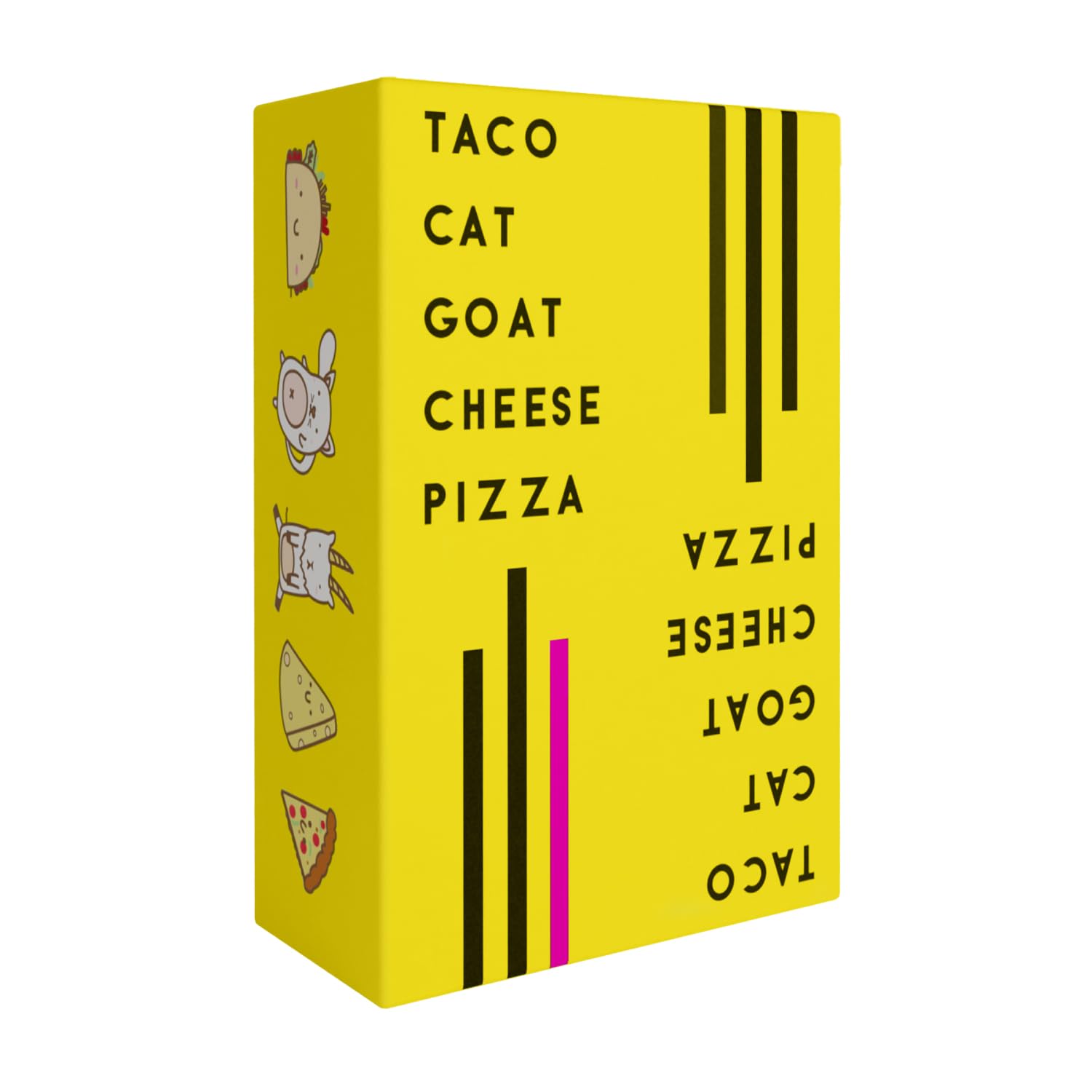
Taco Cat Goat Cheese Pizza draws 'funniest game we own' reactions from families — a slap-match race that plays 2 to 8 players in 15 minutes with one rule to learn. Where the strategic card-and-board pick in this set rewards planning, this one rewards reflexes and pure energy.

Best for loud, energetic families and party hosts hunting an instant icebreaker at a budget price. The vigorous slapping that drives the fun bends cards over repeated sessions, so treat the deck as a consumable — quiet, contemplative households may find the physical mechanic more friction than fun.

Bottom line: At the lowest price in this roundup, no other game delivers so many laughs per minute — keep it for loud nights and reach for a strategy pick when the house goes quiet.

#6

Asmodee Splendor

Asmodee Splendor

Gateway strategy

Customer rating 4.9/5
Check Price

Worth Noting

  • A fifth player means this one stays boxed
Ages
10+
Players
2-4
Play Time
30 min
Learning Value
Resource management
Read the full review

Splendor trades the loud chaos of a quick set-collection race for a quieter 30-minute engine-building session with poker-chip gem tokens. The loop is simple to absorb — buy gems, build your engine, touch 15 points — yet planning depth keeps a committed group coming back week after week.

This is the pick for a 2-4 player household with kids 10 and up ready to graduate from party games; the strategy depth runs past what occasional gamers want, and a fifth guest means it sits on the shelf. The component finish and replay value justify the higher price.

Splendor rewards a standing foursome — bring it out when the same small group plays together repeatedly.

Bottom line: For a household that fields four, Splendor is the step up from family classics with staying power across many sessions.

#7

Play Nine Card Game

Play Nine Card Game

Golf fans

Customer rating 4.9/5
Check Price

Worth Noting

  • Two-player rounds feel thinner
Ages
8+
Players
2-6
Play Time
15 min
Learning Value
Basic scoring
Read the full review

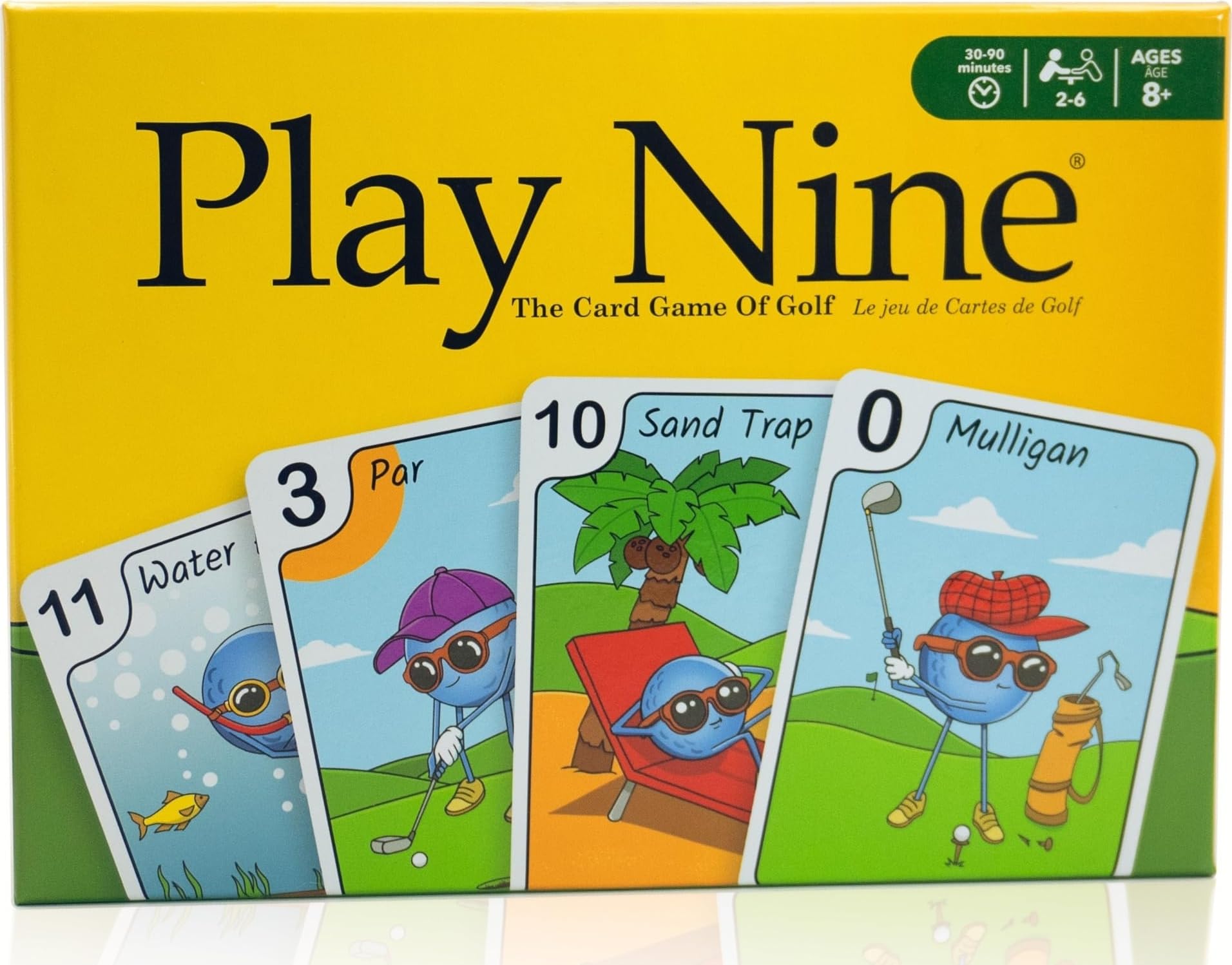
Play Nine needs zero golf knowledge and runs a full round in about 15 minutes, making it the lightest, quickest table in this set. The rummy core carries the strategy — lowest score wins — and blends luck with light decision-making, so a mixed-age table stays close without one player dominating. It trades the top pick's arithmetic training for a faster, looser session.

Plays best with three to six, so it fits small families, couples, and golf fans who want a thematic card night rather than a strategy grind. Gatherings past six or anyone hunting a brain-burner will find more room in the wider top pick.

Round it out to three to six players — extra hands keep the scoring race lively.

Bottom line: This suits a couple or small family wanting a quick, low-stress card night — skip it for gatherings beyond six or anyone seeking strategic depth.

#8

Monopoly Deal Card Game

Monopoly Deal Card Game

Quick 2-player fix

Customer rating 4.8/5
Check Price

Worth Noting

  • Hard 5-player cap leaves larger family gatherings with someone left out.
Ages
8+
Players
2-5
Play Time
15 min
Learning Value
Trading, strategy
Read the full review

Monopoly Deal compresses the board game's property-trading scheming into 15-minute rounds, and it plays especially well for two. The 2-5 player cap and lighter strategic depth hold it below top-tier picks for full-house nights, where SKYJO's wider player reach accommodates everyone.

Bottom line: Reach for this when rounds must stay short and players number two to five — larger family nights need a pick that scales further.

#9

Hasbro Yahtzee

Hasbro Yahtzee

Classic dice math

Customer rating 4.8/5
Check Price

Worth Noting

  • The shaker can't stand upright on the table, needing a flat rest or two hands mid-game
Ages
8+
Players
2+
Play Time
30 min
Learning Value
Addition practice
Read the full review

Yahtzee brings timeless dice-chance gameplay that quietly builds addition and probability skills while rounds stay short enough for a busy evening. The pacing runs more contemplative than the card-driven rivals in this set — a fit for households that favor measured play — and the occasional tin arrives a die short, so count the pieces before round one.

Bottom line: The budget pick for grandparents introducing traditional dice games to a mixed-age table, so long as nobody minds a quieter, score-driven pace.

#10

Winning Moves Rack-O

Winning Moves Rack-O

Number sequencing

Customer rating 4.8/5
Check Price

Worth Noting

  • The 8+ age floor leaves younger kids out of the number-sequencing fun.
Ages
8+
Players
2-4
Play Time
30 min
Learning Value
Number sequencing
Read the full review

The retro number-sequencing race delivers hands-on math practice that feels like a sprint, and 30-minute rounds keep players engaged. It fits classrooms and focused households. The 2-4 player cap and quieter energy suit small deliberate sessions, which is why larger gatherings need a broader option.

Bottom line: When number sequencing is the goal, this retro race turns arithmetic practice into a game kids ask for by name.

#11

Mattel Phase 10

Mattel Phase 10

Long rummy sessions

Customer rating 4.8/5
Check Price

Worth Noting

  • Some decks shuffle in sticky clumps, slowing play during the longest sessions.
Ages
7+
Players
2-6
Play Time
45 min
Learning Value
Rummy structure
Read the full review

Phase 10's escalating 10-phase structure gives rummy-loving families a longer, goal-driven session — ideal for a dedicated game night, with the tin keeping the deck travel-ready. That 30-45 minute pace narrows its audience, and cards can feel thin under repeated handling, so it suits households wanting a marathon over a quick warm-up.

Bottom line: Pick this when your group wants a structured 30-45 minute rummy marathon over a quick filler; confirm your deck shuffles smoothly before the game-night commitment.

How to Choose

Player Capacity

Player count sets the ceiling on who gets invited to the table. A 2-4 player game like Rummikub or Splendor keeps sessions tight but leaves family members on the sidelines, while team-based titles like Sequence stretch the same setup to a dozen people by pairing younger kids with adults.

The hidden trade-off is depth. Games that flex up to 8 or 12 players usually simplify each person's moment-to-moment decisions, while 2-4 player games carry more strategy per turn. If the whole gathering plays, choose by the largest number on the box; if a smaller crew wants the deepest session, a 2-4 title wins.

Age Floor

The box age tracks the youngest player's reading and addition skills, not the fun ceiling. Under age 7, only reading-free color-matching games work; from 8 up, games assume basic number fluency and start rewarding estimation and planning.

The hidden trade-off cuts the other way too: a low age floor usually comes with shallower decisions. A game a 6-year-old masters on turn one will feel repetitive to teens by round three, so target the label at your youngest player and look for titles that add depth as players improve.

Play Time

Session length predicts whether a game actually gets replayed. Fifteen-minute titles like UNO or Taco Cat fit weeknight evenings and end at a natural high, while 45-minute games like Rummikub or Phase 10 build a longer arc that families schedule around on weekends.

The trade-off is depth per minute. Longer sessions layer in meaningful decisions and rising tension, but they raise the risk of a stalled night if one player loses interest. Pick short games for wide age gaps and save the longer formats for nights when no one has a school morning.

Learning Value

The best educational games never announce themselves. SKYJO and Yahtzee make addition and probability the engine of winning turns, while Rack-O and Rummikub reward number sequencing and pattern recognition. Players compute because it beats their family, not because a worksheet asked them to.

The trade-off is age alignment. Math-forward games only work if the youngest player actually has the arithmetic skill, or the learning becomes frustration. Check the mechanic — if winning depends on adding two numbers or estimating odds, trust the age floor rather than the box's 'easy to learn' claim.

Component Quality

Component quality is where iconic titles show their age. Several classics now ship with thinner boards, smaller cardstock, and lighter plastic than the editions parents remember, and low-contrast tile colors frustrate color-blind players on games like Rummikub.

The hidden trade-off is durability versus price. Card-heavy formats with protective tins tolerate rough handling far better than thin plastic grids and folding boards that develop seam wear with use. If a game depends on a mechanical part like a dice roller, check recent buyer feedback — those components are the first to go.

Frequently Asked Questions