Outdoor & Active Play Product Guide

13 Best Bike Helmet for Kids 2026: Fits by Head Size, Not Age

A guide to kids' bike helmets that fit real head measurements over age labels — from lightweight toddler first helmets to multi-sport picks for teens.

13 Best Bike Helmet for Kids 2026: Fits by Head Size, Not Age editorial illustration

A helmet labeled 'ages 5–8' can still wobble on a 6-year-old or squeeze a 4-year-old. Kids' head shapes vary more than age charts suggest, and a loose helmet shifts in a fall instead of absorbing the impact. Measuring head circumference in centimeters before you shop removes most of the guesswork.

That measurement also decides whether a multi-sport helmet makes sense or a dedicated cycling model fits better. One helmet that covers bike rides, scooters, and skateboards is convenient — but only if its smallest size actually matches your child's head.

The strongest picks here adjust without tools, fit by actual head measurement, and hold up to daily rides. A low price or a fun character shell only matters once the core fit is right.

#1

80SIX Multi-Sport

80SIX Multi-Sport

Ages 5–14

Customer rating 4.7/5
Check Price

Worth Noting

  • The 8+ size can fit smaller than its label, pushing kids near the upper limit into the next size.
Weight
400 g
Head Size
49–58 cm
Fit System
Dial
Safety Cert
CPSC, ASTM
Read the full review

Flanked by CPSC and ASTM F1447 certification, the 80SIX is rated for bike, scooter, skateboard, roller, and inline use — one shell instead of a drawer of helmets. The size spread from 5+ (49-52 cm) up to 14+ (55-58 cm) lets a child grow from elementary through middle school on a single dial fit, so parents stop buying a fresh helmet after every growth spurt. At 400 g it stays light enough that kids keep it on through warm afternoon rides, and the dial holds a custom fit from the first scooter outing to the final middle-school bike commute. The shell holds up across repeated activities, so one helmet serves both skate park sessions and school commutes.

For a school-age rider who switches between bike, skateboard, and scooter across the same weekend, this one certified shell covers every activity at a mid-range price. It suits families who want a single purchase to span a child's growth instead of buying a new helmet each season. Toddlers under 5 fall outside the range — the smallest size starts at 49 cm — so younger kids need a dedicated toddler shell.

Bottom line: For a school-age rider juggling bike, skateboard, and scooter, this one certified shell replaces several helmets at a mid-range price.

#2

GLAF Toddler Helmet

GLAF Toddler Helmet

Toddlers 1–4

Customer rating 4.8/5
Check Price

Worth Noting

  • XXS sizing can run large on some infants under 12 months, making the 1+ label optimistic for the youngest heads
Weight
240 g
Head Size
44–56 cm
Fit System
Dial
Safety Cert
—
Read the full review

The 4.8-star comfort record tops this guide, and the 44–48 cm XXS cut fits the littlest heads that other youth shells overlook. At 0.24 kg with 14 vents it sits light on small scalps, while the dial-and-strap system stretches from XXS to S so a single purchase carries a rider from age 1 into the preschool years.

This is the pick for parents of 1–4 year olds who want a grow-with-me fit instead of replacing helmets each birthday — the dial does the adjusting as heads grow. Mid-range in price, it suits babies and toddlers whose heads measure 44 cm and up, rather than a disposable first helmet.

Bottom line: Right for parents of 1–4 year olds in the 44–56 cm range who want one investment that spans several growth spurts rather than a fresh helmet each season.

#3

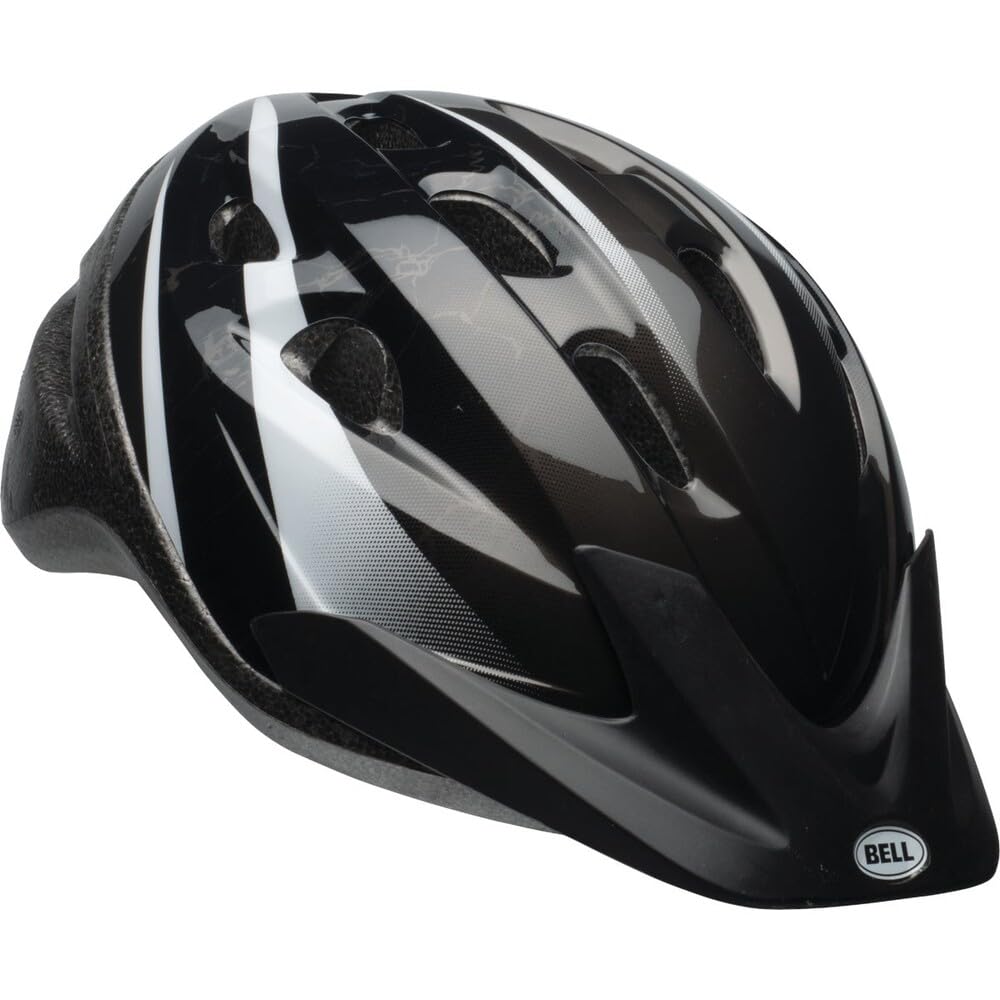
Bell Rally Child

Bell Rally Child

Ages 5–8

Customer rating 4.7/5
Check Price

Worth Noting

  • Elongated head shapes may not get a fully snug fit from the True Fit dial.
  • After weeks of rough use the visor may snap off, leaving the shell protective.
Weight
227 g
Head Size
52–56 cm
Fit System
True Fit dial
Safety Cert
CPSC
Read the full review

Affordable CPSC-certified protection comes in a light 227 g shell with a pinch-guard buckle — the lowest price here for a 5–8 year old's first real bike helmet. Where the Marvel pick leans on character pull, the Rally leans on value: proper certification, bright colors kids accept, and a dial that settles the fit.

This suits budget-focused parents who want a solid neighborhood and commuting helmet for a 5–8 year old. The tradeoff is a functional shell rather than a long-lived accessory — the fit and safety are the buy, not the trim.

Give the chin strap a firm seat each ride; the pinch-guard buckle needs a deliberate tug to feel secure.

Bottom line: The right buy when price leads the list and the rider is 5–8 — just keep the visor off for rough play and the shell protects as intended.

#4

Schwinn Thrasher Youth

Schwinn Thrasher Youth

Tweens 8–14

Customer rating 4.8/5
Check Price

Worth Noting

  • In isolated cases the shell can feel less solid than expected, though the protection rating still holds
Weight
372 g
Head Size
55–58 cm
Fit System
Dial, straps
Safety Cert
CPSC
Read the full review

A 20-vent microshell at 13.12 oz with a dial system that locks in a custom fit — the Thrasher reads as a proper bike helmet, not a cartoon, which the 8–14 set actually appreciates. That sporty maturity, free of LED gimmicks or character decals, is what sets it apart from the low-profile commuter shells in this guide.

This is the pick for a tween who bikes to school or the neighborhood loop and wants something that looks grown-up. The CPSC rating holds, though a small share of units can feel less solid than expected, so treat it as a fit-and-look choice rather than a rugged-gear one.

Bottom line: A focused single-sport shell for the tweener who rides daily and wants it to look like real gear — not the choice for younger siblings who need a smaller fit.

#5

Raskullz Mohawk

Raskullz Mohawk

Fun riders

Customer rating 4.8/5
Check Price

Worth Noting

  • LED batteries run short and the light can fade during a ride
  • Outer shell can separate from the foam over time, so inspection is needed
Weight
376 g
Head Size
50–54 cm
Fit System
—
Safety Cert
CPSC
Read the full review

The Raskullz Mohawk turns helmet time into an event — the LED mohawk gets kids who normally fight the helmet to wear it without a fuss. The lightweight 13.28 oz shell adds genuine evening visibility, a bonus the budget workhorse in this set can't offer.

This is the right fit for a 4–6 year old riding casual neighborhood laps who wants a helmet that feels like a treat. Accept that the LED runs short and the outer shell can separate from the foam over time — the light is a bonus, not a permanent feature, so keep this to casual rides.

Bottom line: For the child who needs a reason to wear a helmet at all — and dusk rides are where the Mohawk earns its keep.

#6

OUWOER Multi-Sport

OUWOER Multi-Sport

Growing kids

Customer rating 4.6/5
Check Price

Worth Noting

  • Plastic tightening band can wear out with months of daily adjustments, trimming how many years one shell serves
Weight
—
Head Size
48–61 cm
Fit System
Back dial
Safety Cert
CPSC
Read the full review

Three sizes spanning 48–61 cm let one shell travel with a child from first pedaling to middle school, with a back dial that re-tightens as the head grows. At a mid-range price under most single-age helmets, the OUWOER rewards households running two kids in different size bands.

Best for families juggling siblings of different ages who can share one S, M, or L rather than buying a helmet per child. The smallest size opens at 48 cm, so toddlers below that mark sit loose in the foam; children inside a size band get solid fall protection on bike, skate, and scooter rides.

Tighten the dial with fingertips instead of cranking it so the band keeps tension through more seasons.

Bottom line: For a household with children in different size bands, a single OUWOER replaces several helmets and holds its value through growth spurts.

#7

Bell Richter Youth

Bell Richter Youth

Youth commuters

Customer rating 4.7/5
Check Price

Worth Noting

  • When the helmet clips a doorframe or bike rack, the visor can detach from the shell
  • Near the top of the 8–14 size range, the dial may run out of adjustment for a snug fit
Weight
290 g
Head Size
54–58 cm
Fit System
True Fit dial
Safety Cert
—
Read the full review

The Bell Richter is the clean, low-profile commuter pick — a slim True Fit dial shell that sits neat under a backpack strap and fits most 8–14 year olds. At 10.24 oz with a pinch-guard buckle, it stays light on daily rides to school. Where the sportier tweener shell leans on vents and a bolder look, this one keeps the profile deliberately understated.

It suits preteens who pedal to the schoolyard and want a helmet that slips on and disappears — no lights, no ears. Solid CPSC protection at a budget price makes it an easy buy, though the dial's range may not suit every head shape and the visor can detach under rough handling — so measure before ordering.

Keep the visor out of contact when stowing the helmet under an arm or in a backpack — it detaches with rough handling.

Bottom line: A no-fuss commuter shell for preteens who want protection without flash — the dial-fit and budget price make it the easy pick for daily neighborhood rides.

#8

Schwinn Classic Toddler

Schwinn Classic Toddler

Toddlers 1–3

Customer rating 4.7/5
Check Price

Worth Noting

  • The inner Velcro headband can loosen and detach, so a once-snug fit may drift.
Weight
132 g
Head Size
48–52 cm
Fit System
Dial fit
Safety Cert
CPSC
Read the full review

The 132 g Schwinn shell pairs dial fit with playful polka-dot looks at the lowest price in the guide, so swapping it out as the child grows costs little. Sizing runs small for some 2-year-olds, so measure the head against the chart before ordering.

Bottom line: For a 1–3 year old with a head inside the 48–52 cm band who needs a cheap, cheerful first helmet, this Schwinn is the pick — confirm the measurement before buying.

#9

Bell Marvel Avengers

Bell Marvel Avengers

Marvel fans

Customer rating 4.7/5
Check Price

Worth Noting

  • Heads near the 50 cm minimum may find the shell snug
Weight
286 g
Head Size
50–54 cm
Fit System
—
Safety Cert
CPSC
Read the full review

The Marvel design is the draw — kids who love the characters reach for this helmet without a fight. On average-sized 5+ heads, the 10-oz shell fits comfortably with CPSC-certified coverage for bike or scooter rides. The 50 cm floor suits heads at the average-to-larger end; smaller heads need a different shell.

Bottom line: Pick it for a Marvel-obsessed child whose head measures at least 50 cm — with a confirmed fit it's a character hit that stays on. Choose a smaller shell for kids under that mark.

#10

Minnie Mouse Toddler

Minnie Mouse Toddler
Customer rating 4.6/5
Check Price

Worth Noting

  • The 3D ears snap off with a knock
Read the full review

The Minnie Mouse shell earns genuine affection from tiny riders, and a child who loves the helmet keeps it on — the real test for toddler gear. Protection is sound, with a pinch-guard buckle and a shell sized for small heads. Sizing runs small, so this suits petite toddlers under three rather than average-sized 3-year-olds.

Bottom line: Right for parents of a Minnie-obsessed toddler under three — the charm does the safety work of keeping the helmet on. Outside that age band, a dial-fit shell is the better buy.

#11

XJD Toddler Helmet

XJD Toddler Helmet

Toddlers 2–4

Customer rating 4.7/5
Check Price

Worth Noting

  • The rear dial can snap after a few months of daily use, loosening the fit
Weight
250 g
Head Size
44–56 cm
Fit System
Dial, straps
Safety Cert
—
Read the full review

The XJD Toddler Helmet pairs 14 vents and a cute, non-bulky design kids actually accept with a dial that adjusts as the child grows — sturdy protection at a mid-range price. It fits average-to-larger head sizes; smaller 2-year-olds may find the smallest setting still loose.

Bottom line: Best for toddlers with average-to-larger head sizes who need room to grow — measure first and check the rear dial for wear over time.

#12

Triple Eight Sweatsaver

Triple Eight Sweatsaver

Multi-sport teens

Customer rating 4.8/5
Check Price

Worth Noting

  • Sizing varies by head shape
Weight
500 g
Head Size
Small–Medium
Fit System
Sweatband pads
Safety Cert
—
Read the full review

A premium-priced multi-sport shell, the Sweatsaver keeps heads cool through long hot rides with its sweatband system and holds a secure fit once sized right. Head shape is the deciding factor: the same shell can sit loose on one child and snug on another. Older kids who skate, scooter, and bike in one helmet get a comfort investment here; budget-conscious buyers should look at slimmer options in this set.

Bottom line: The Sweatsaver fits families who want one comfortable helmet for an older child who skateboards, scooters, and bikes daily — provided you measure the head first and the sizing matches.

#13

MOUNTALK Toddler

MOUNTALK Toddler

Toddlers 1–6

Customer rating 4.7/5
Check Price

Worth Noting

  • On average-sized or larger heads, the smaller sizes run snug, narrowing the range of heads this fits comfortably.
Weight
—
Head Size
XS–M/L
Fit System
Dial
Safety Cert
CPSC, ASTM
Read the full review

The 360° padded liner and dial fit give this a comfort edge among toddler helmets, and the removable liner makes cleaning easy — one shell spans ages 1–6. Sizing runs small for some average-sized heads, so checking the size chart against a real head measurement before ordering is the deciding step.

Bottom line: A comfortable, well-built shell for toddlers whose head measurements land mid-range of the size chart — measure first and it will carry a child from first rides through age six.

How to Choose

Head Size Beats Age

Age ranges on helmets are marketing shorthand, not measurements. A helmet labeled '5–8 years' can slide on a 6-year-old with a narrow head or pinch a 4-year-old with a round one, and a loose helmet rotates in a fall instead of lining up the foam with the impact point.

Wrap a measuring tape just above the eyebrows and note the number in centimeters, then match it to each model's own size chart — not the age label. Size charts overlap (44–48, 46–51, 52–56 cm), so one child often fits two sizes; choose the smaller snug fit over the larger 'grow into' size.

The Fit System Matters

A rear dial lets you tune the fit in seconds as heads grow and is the easiest way to keep a helmet snug through a season of growth spurts. Strap-only systems hold position but offer no precision, so they are far more forgiving of head-shape differences.

The catch is durability: cheap dial and tightening-band mechanisms are the first parts to fail after months of daily use, stripping or snapping at the wheel. If the helmet is a daily driver for years, favor a reinforced dial over a basic plastic one.

Certification Is the Floor

CPSC certification is the legal minimum for any helmet sold in the US for bike riding, so virtually every helmet here passes that bar. A multi-sport helmet adds ASTM F1447 testing for skate and scooter impacts, which matters if the same helmet handles three activities.

Certification is a floor, not a differentiator — certified helmets protect similarly in a single impact. What actually changes protection is fit, because the foam only absorbs force when the helmet stays put on the head.

Lighter Means More Willing

A heavy helmet pulls on a young neck and makes kids want to take it off mid-ride. Toddler helmets around 130–250 g solve that; a 500 g model is noticeably heavier and better suited to older kids who ride longer.

Ultra-light shells give up some impact toughness, while heavier multi-sport shells survive repeated drops. Match weight to riding style: light for short toddler hops, heavier for teenagers who crash more often.

Vents Balance Heat and Protection

More vents keep heads cool on warm rides and prevent the 'too hot' complaint that ends most rides early. But every vent removes material from the shell, so heavily vented helmets should use fused in-mold construction to keep the frame strong.

Count vents as airflow, not safety — a 20-vent helmet is not safer than a 9-vent one. Choose venting by climate and ride length rather than by number.

Frequently Asked Questions