Outdoor & Active Play Product Guide

3 Best Basketball for Kids of 2026: Right Size, Less Re-Inflating

Find the best basketball for kids by age — which sizes match small hands, and which balls actually hold air for driveway and park play.

3 Best Basketball for Kids of 2026: Right Size, Less Re-Inflating editorial illustration

Most basketballs marketed for kids are actually adult-size balls with 'youth' slapped on the label. A size 7 ball is unmanageable for small hands, and it turns practice into frustration instead of fun. The right size — for a 7-year-old, that's a size 5 — makes the game learnable from day one.

Air retention is the other factor listings rarely mention. Premium grip and durability get top billing, yet the most common real-world complaint is a ball that goes flat between games. Budget and mid-range kids balls often cut costs on the bladder, which is what holds air.

This guide sorts through the size confusion and the deflation problem, pairing each ball with the age it actually fits and the trade-offs you can expect. You'll know what to inflate, how often, and whether a cheaper ball will genuinely last through a season of driveway play.

#1

Champion Sports Rubber

Champion Sports Rubber

Budget outdoor play

Customer rating 4.5/5
Check Price

Worth Noting

  • Air retention can vary between units, so the ball may need a re-inflation before use
Size
5 (27.5")
Air Retention
2-ply butyl bladder
Cover Material
Rubber composite
Read the full review

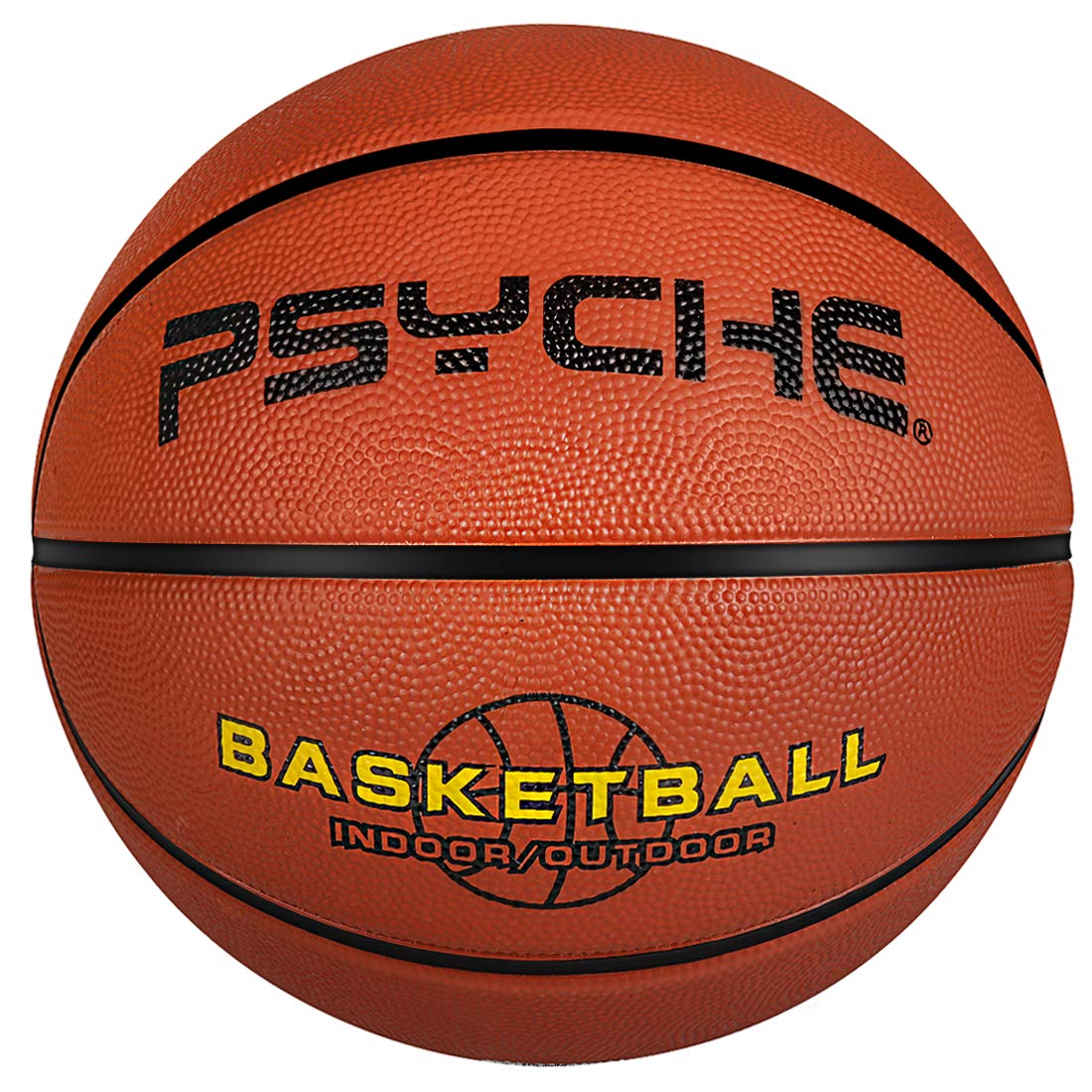
Champion Sports delivers the lowest price in this guide without feeling like a budget ball — the 2-ply butyl bladder and a rubber composite surface hold up on driveway and street surfaces, and reviewers rate the quality well above what the price suggests. As a genuine 27.5-inch size 5, it fits the 7-to-12 age range, dodging the kid-labeled listings that ship adult-size balls. Young players find the grip easy to handle and the bounce fun, which keeps it in regular rotation on the blacktop and at the park.

This is the pick for budget-conscious parents who want a true youth-size ball for casual outdoor play — the rubber surface makes it a low-stakes choice for concrete, blacktop, and grass, so there is little worry about a first ball getting scuffed. The honest boundary is air retention: in some cases a unit loses pressure faster than pricier rivals, which suits neighborhood and driveway games better than competitive settings where a consistent bounce matters. For families who keep a pump within reach, it is the best value in the set and an easy way to start a young player.

Bottom line: For budget-conscious families wanting a genuine size 5 for casual driveway play, this is the value choice in the guide.
#2

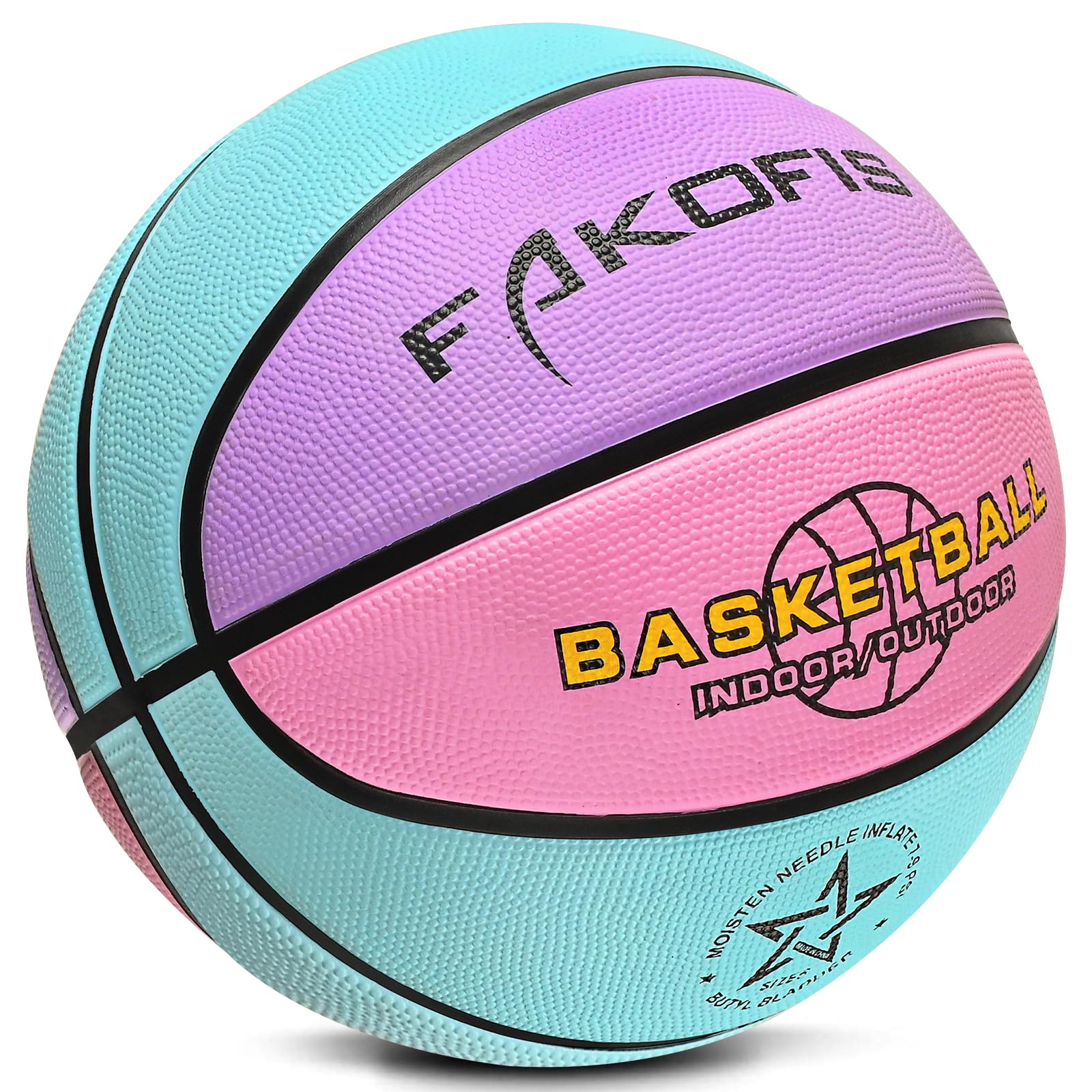
FAKOFIS Kids Basketball

FAKOFIS Kids Basketball

Toddler pool play

Customer rating 4.7/5
Check Price

Worth Noting

  • At a small size, air retention can vary between units
Size
4 (25.5")
Air Retention
Butyl bladder
Cover Material
Rubber/PU
Read the full review

The FAKOFIS is the only ball in this set built as a waterproof size 4, a natural fit for kids ages 3-6 and poolside sessions. Bright colors and a compact circumference suit small hands better than adult-sized balls, and the rubber shell holds up well to outdoor wear between games.

This works best for families with a toddler or preschooler who want a true kid-sized ball for backyard and pool fun. Air retention can vary between units — when pressure drops, a small ball quickly loses the bounce young kids rely on, so the waterproof build suits casual play more than daily serious use. Kids who have reached age 7 and need a regulation size 5 should step up to the value pick in this set.

Top up the air before each session — a full bounce keeps toddlers engaged.

Bottom line: Best for families with a preschooler who want a small, waterproof ball for backyard and pool play — move to a size 5 once your child reaches age 7.

#3

Wisdom Leaves Youth Ball

Wisdom Leaves Youth Ball

Older kids

Customer rating 4.6/5
Check Price

Worth Noting

  • Pressure can wane across several days in storage, making routine top-ups part of the experience.
Size
5 (27.5")
Air Retention
Butyl bladder
Cover Material
Rubber
Read the full review

The most realistic-feeling size 5 in this set, this ball's rubber cover and weight come closer to an adult ball than entry-level options — the kind of touch a child serious about improving will notice. Air retention is the honest trade-off: pressure can drop over a few days in storage, so a quick pump top-up before games keeps it game-ready. This suits ages 7-12 for indoor and outdoor play and makes a thoughtful gift for a school-age player; families who want this same touch for less money will find the top pick the better value.

Keep a small pump within reach — a short top-up before each session restores the bounce young players expect.

Bottom line: Right for the young player who notices the difference between a basic rubber ball and a properly weighted one — just keep a pump on hand for routine top-ups.

How to Choose

Match the Right Size

Size is tied to hand span, not age alone. A size 4 (25.5 inches) fits most kids ages 3-6, and a size 5 (27.5 inches) suits ages 7-12. One size too big forces a child to palm the ball and push it with their shoulders instead of using the wrist and forearm, which builds a flat, inaccurate shot that's hard to unlearn.

Many products labeled 'youth' actually ship as adult size 7 balls, so check the printed size on the box before buying.

Cover Material: Rubber vs. Composite Leather

Rubber covers are the standard for outdoor play because they shrug off asphalt scuffs and grip well on rough concrete. Composite leather feels better in the hand indoors, but the surface wears down quickly on a driveway and picks up grit.

Rubber also costs less, which matters when a ball is going to bounce off curbs, fences, and garage doors.

Air Retention and the Bladder

The bladder is the part that actually holds air. Butyl bladders lose air far slower than the cheap natural-rubber bladders found in ultra-budget balls, which can go soft between games.

Even with a butyl bladder, expect to top up the pressure every couple of weeks — no kids ball in this range holds air indefinitely, and a soft ball bounces dead and frustrates a child fast.

Inflation and Setup

Nearly every kids basketball ships deflated, and most don't include a pump. You'll need a hand pump and a ball needle, which cost a few dollars, or the ball is unusable right out of the box.

Buy a pump at the same time and inflate to the PSI printed near the valve rather than guessing.

Grip and Channel Depth

Deeper channels give young fingers a place to wrap the ball, which translates directly to better dribbling control and confidence. Shallow channels feel slick, especially once palms get sweaty on a summer driveway.

Look for a rubber compound with visible tack and deep, defined seams if the ball is for a child learning to handle the ball.

Frequently Asked Questions