Littmann Classic III

What We Like
- Clear heart and lung sound pickup that holds across varied clinical settings
- Build quality that holds up through semesters of daily carry
- The scope most nursing programs recommend for coursework
- One purchase that stays useful into a first nursing job
Worth Noting
- Diaphragm disc can occasionally work loose or the bell split under heavy daily use
- Premium price sits above every other non-specialty scope here, stretching a student budget
- Weight
- —
- Chestpiece
- Dual-sided, stainless steel
- Durability
- —
- Sound Quality
- Dual-frequency tunable acoustics
Read the full review
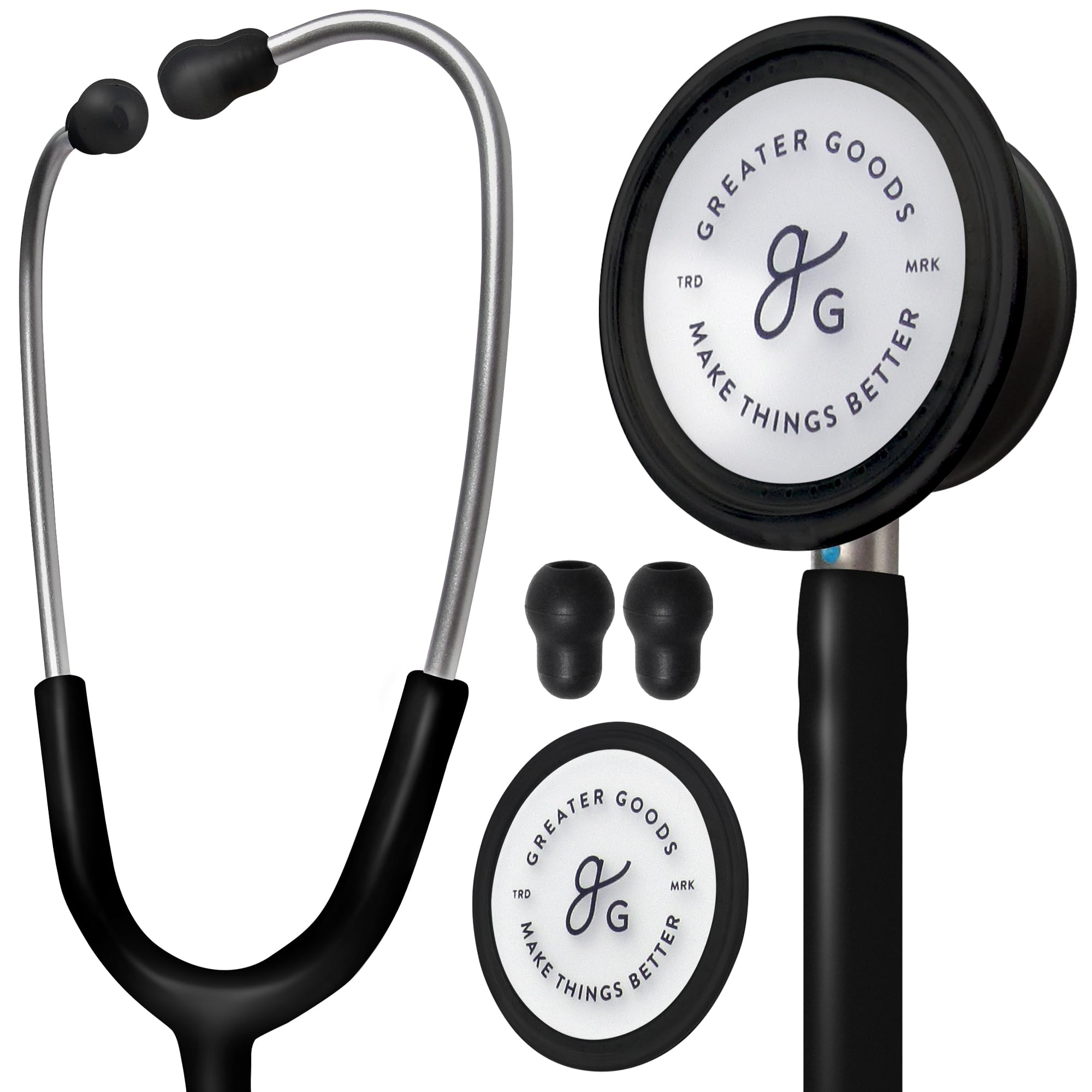
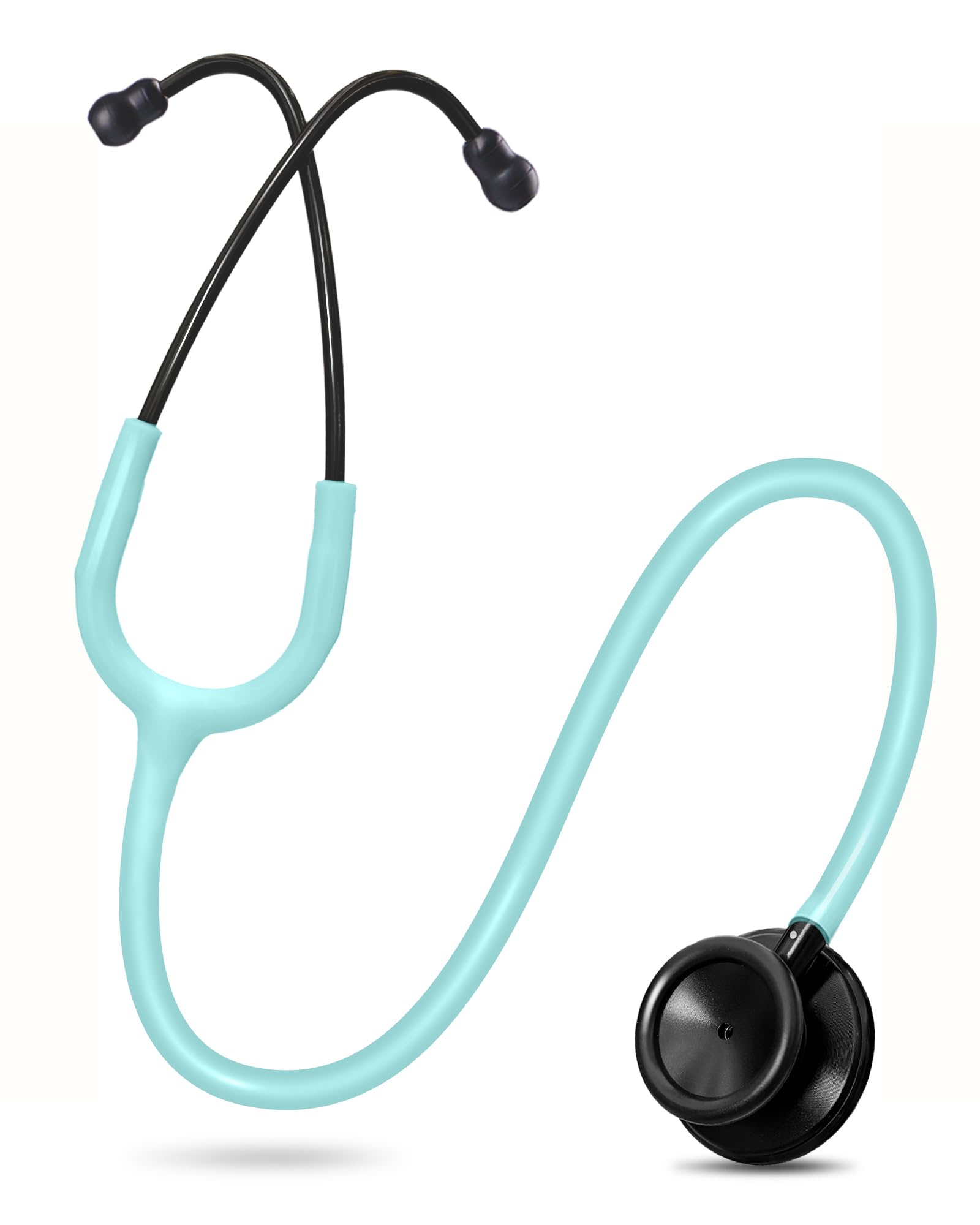
The Classic III is the scope most nursing programs point students toward, and the reason is acoustic consistency. Heart and lung sounds come through clearly across general ward, urgent care, OB/GYN, and ambulatory settings, with the repeatable pickup that matters when a grade depends on what you hear. The dual-sided chestpiece pairs a diaphragm with a stainless open bell, and the single 27-inch latex-free tube keeps the profile tidy under a student badge. It is positioned for non-critical care rather than ICU monitoring, which matches what a nursing student actually encounters. Manufacturer specs put its output at more than double that of the next leading scope.
Build quality is a genuine strength. The stainless chestpiece and frame hold up across semesters of daily carry without the flex, rattle, or tubing stiffness that cheaper scopes show, which keeps it in service through the end of a program. Soft-sealing snap-tight eartips hold their fit during long shifts instead of working loose by week three.
That longevity reframes the price. Students who buy the Classic III typically carry it through every clinical rotation and into a first nursing job, making it a one-time professional purchase rather than a disposable first scope. Fit adjustments are minimal out of the box, so a proper seal comes without fiddling. The latex-free tubing avoids the skin irritation that bothers some students, and the chestpiece shifts between high and low frequency by varying pressure rather than flipping the head — convenient when you have seconds between patients.
This scope fits a student who wants one instrument to carry through clinicals and into a first job, and who can absorb the premium price — the steepest among non-specialty picks here. A strict budget is better served by the lighter, lower-cost scopes in this set, and anyone chasing a featherlight neck feel should look at the Lightweight II instead. Weigh the occasional loose diaphragm disc under heavy daily use; it is a spot-check rather than a universal flaw.
Sound clarity holds where budget scopes fall short — faint breath sounds and subtle murmurs stay audible during rounded exams, even in noisy corridor settings. For clinical practice that hinges on catching subtle differences, this is where the Classic III separates itself from the entry tier, and where the premium reads as an investment rather than markup — the kind of purchase that outlives the semester that motivated it.
Bottom line: This is the scope to buy when you want one purchase to carry through clinicals and into a first job, and when long-term performance matters more than the lowest upfront price.