Notebooks & Paper Product Guide

7 Best Planner for ADHD Students 2026: Time-Blocking That Works

The best planner for ADHD students uses real time-blocking and task breakdown to fight time blindness, not just a pretty to-do list.

7 Best Planner for ADHD Students 2026: Time-Blocking That Works editorial illustration

Many planners labeled 'ADHD' are just generic to-do pads with a clever cover, leaving students overwhelmed and no more organized. The real difference comes down to features that address executive function: hourly time-blocking to segment the day, or task-breakdown worksheets that turn a large assignment into a small first step.

No single layout works for every brain. Some students need to see the entire week at a glance, others need a full day broken into hours, and some need guided prompts to start a task. The right planner matches how you plan, not what the cover promises.

#1

Two Tumbleweeds ADHD Daily Pad
Two Tumbleweeds ADHD Daily Pad

Hourly planning

Customer rating 4.6/5
Check Price

Worth Noting

  • One-day-per-sheet format offers no weekly overview, so longer-range planning needs a separate calendar.
  • Tear-away sheets on a light pad backing can come loose under heavy daily use.
Undated
Yes
Layout Type
Hourly time-blocking
Portability
Desk pad
Habit & Focus
Daily focus, gratitude
Read the full review

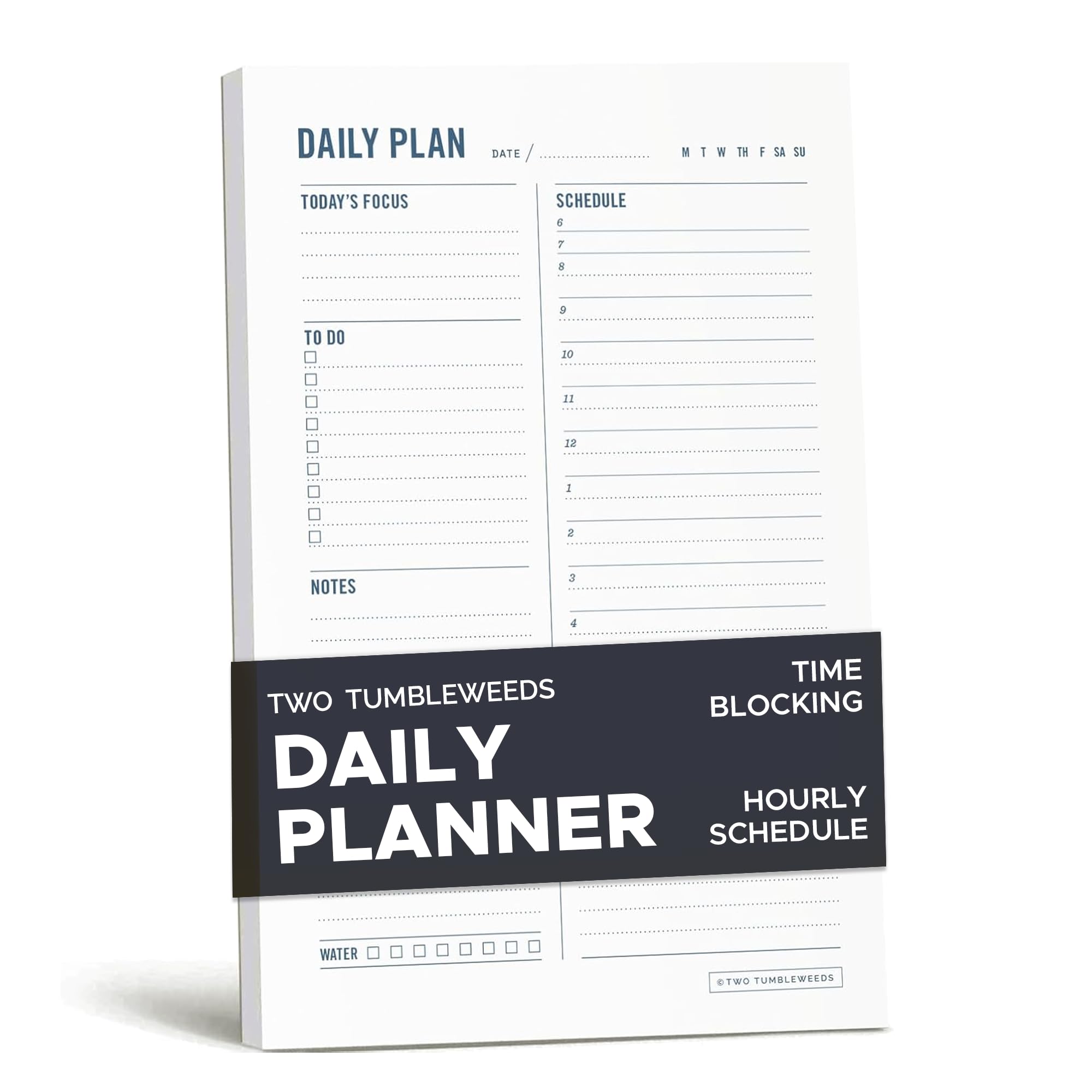
The Two Tumbleweeds pad structures a student's day in hourly blocks, from morning classes through meals and evening study, with a dedicated to-do column running down the side. The hourly grid is the core feature: each hour gets its own line, so a student can see at a glance where the morning goes and where a gap invites distraction. Each of the 50 undated sheets pairs that time grid with prompt sections for meals, water, and a daily gratitude note, so the whole day sits on one page. The 6x9 desk-pad size leaves room per hour to mark assignments and appointments without clutter.

This pad fits the ADHD student whose main struggle is time blindness — someone who loses whole mornings between classes and needs a visible hour-by-hour plan. It is budget-friendly and undated, so it starts any day without wasted pages, and a fresh sheet posts neatly on a desk or clipboard to keep the plan in plain sight. Students who prefer a bound journal that flips through a full semester, or who rely on habit-tracking grids, will find the daily tear-off format limits them to one day at a time with no weekly overview.

Post the sheet on a clipboard for steadier pages that survive a daily toss in the backpack.

Bottom line: The one pick in this set that fights time blindness with structure: tear off a sheet and the hour blocks run the day.

#2

ZICOTO Daily To-Do Notebook

ZICOTO Daily To-Do Notebook

Daily to-do

Customer rating 4.6/5
Check Price

Worth Noting

  • Print color can differ slightly from the listing, and some units arrive with cover damage
Undated
Yes
Layout Type
Daily to-do
Portability
Notebook
Habit & Focus
Health & meal sections
Read the full review

At 120 undated sheets, the daily layout holds tasks, appointments, meals, and workout notes on one clean page, with premium-feel paper that stands up to everyday use. The elegant design becomes a genuine habit to open each morning — appearance is a real motivator here.

This suits list-lovers who plan one day at a time and want a pretty daily checklist rather than a weekly overview or hourly time-blocking. For ADHD students who need time structure, the hourly top pick fits better — there is no time-blocking or habit grid in this notebook.

Bottom line: Best for students who want an elegant, dependable daily checklist that keeps tasks in one place one day at a time — not for those who need hourly structure.

#3

KAICN Weekly Planner

KAICN Weekly Planner

Weekly + habits

Customer rating 4.6/5
Check Price

Worth Noting

  • Spiral binding can work loose with daily tote-bag use, leaving pages at risk of separating.
Undated
Yes
Layout Type
Weekly goals
Portability
A5 notebook
Habit & Focus
Habit tracker grid
Read the full review

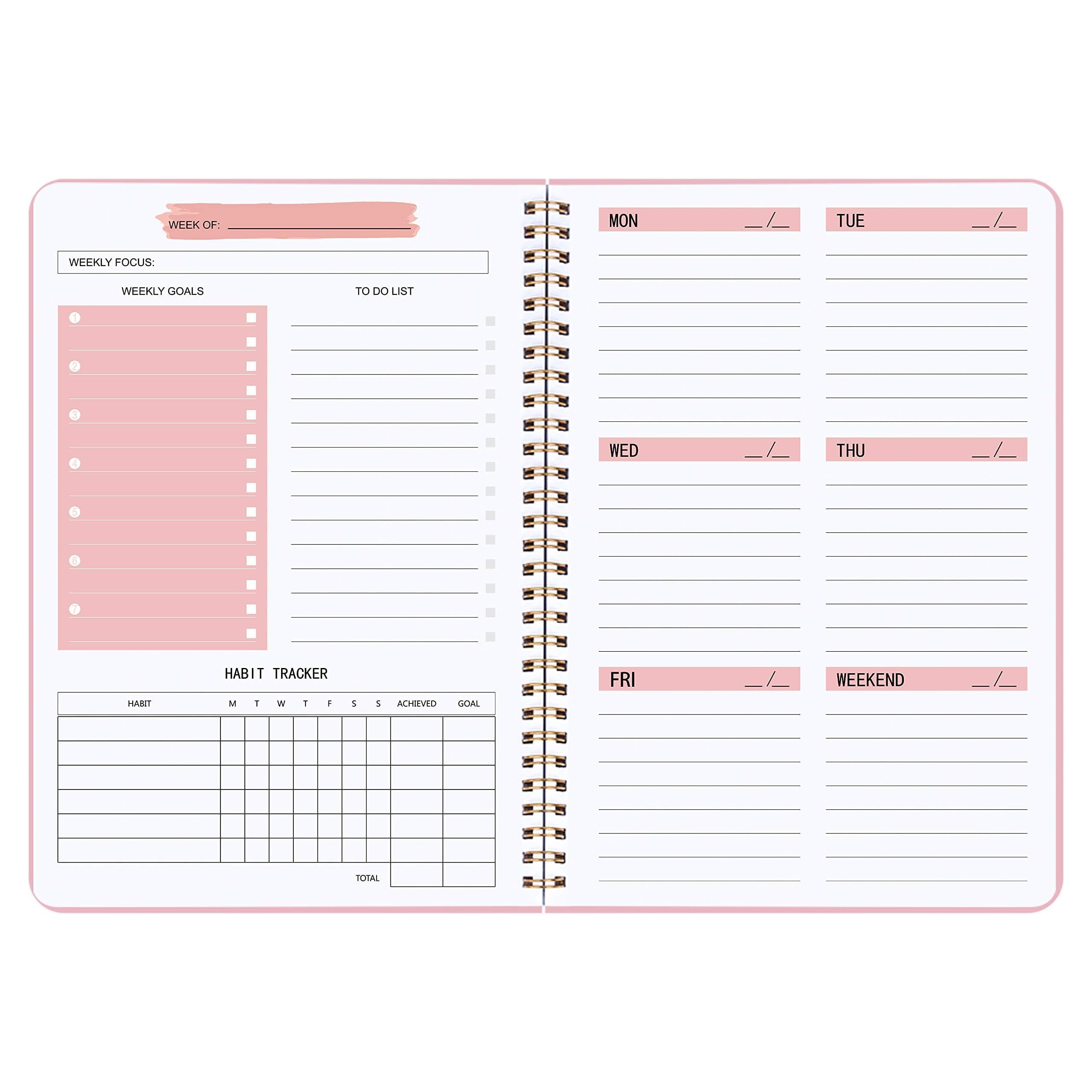
Under $10, the KAICN weekly planner covers 52 undated weeks in a portable A5 layout, pairing a habit tracker with separate weekly goals and daily to-do sections. The weekly overview keeps planning light, so students who freeze at hourly grids find the bigger picture easier to hold than a time-blocking page.

It suits students who prioritize a few weekly goals over minute-by-minute scheduling — where the top pick's hourly format adds order, this keeps the week's shape in view with less overhead. Small enough to slip in a bag on the way to class, it's the pared-down, budget-minded alternative.

Bottom line: Budget students who track a few priorities plus a habit grid get real weekly structure without paying for hourly time-blocking they won't use.

#4

Four Progress ADHD Tracker

Four Progress ADHD Tracker

Task breakdown

Customer rating 4.4/5
Check Price

Worth Noting

  • No time-blocking or calendar layout, so students who plan hour-by-hour need a separate scheduler.
Undated
Yes
Layout Type
Task worksheet
Portability
A5 notebook
Habit & Focus
Guided prompts
Read the full review

Each page breaks a large assignment into a guided sequence of small steps, with prompts that walk the student past overwhelm to a concrete next action. Where a typical goal journal tracks a full semester, this repeatable worksheet targets the singular act of starting a task.

Best for students who freeze at the starting line of a paper or project — especially those who co-manage anxiety and find guided written prompts calming. There is no time-blocking and no calendar layout, so it works alongside a weekly scheduler rather than replacing one.

Pair it with a separate weekly calendar for time slots — this journal breaks tasks into steps but doesn't schedule them.

Bottom line: For students whose challenge is starting a task rather than planning a week, this guided journal fills the gap — pair it with a basic calendar to cover both sides of the semester.

#5

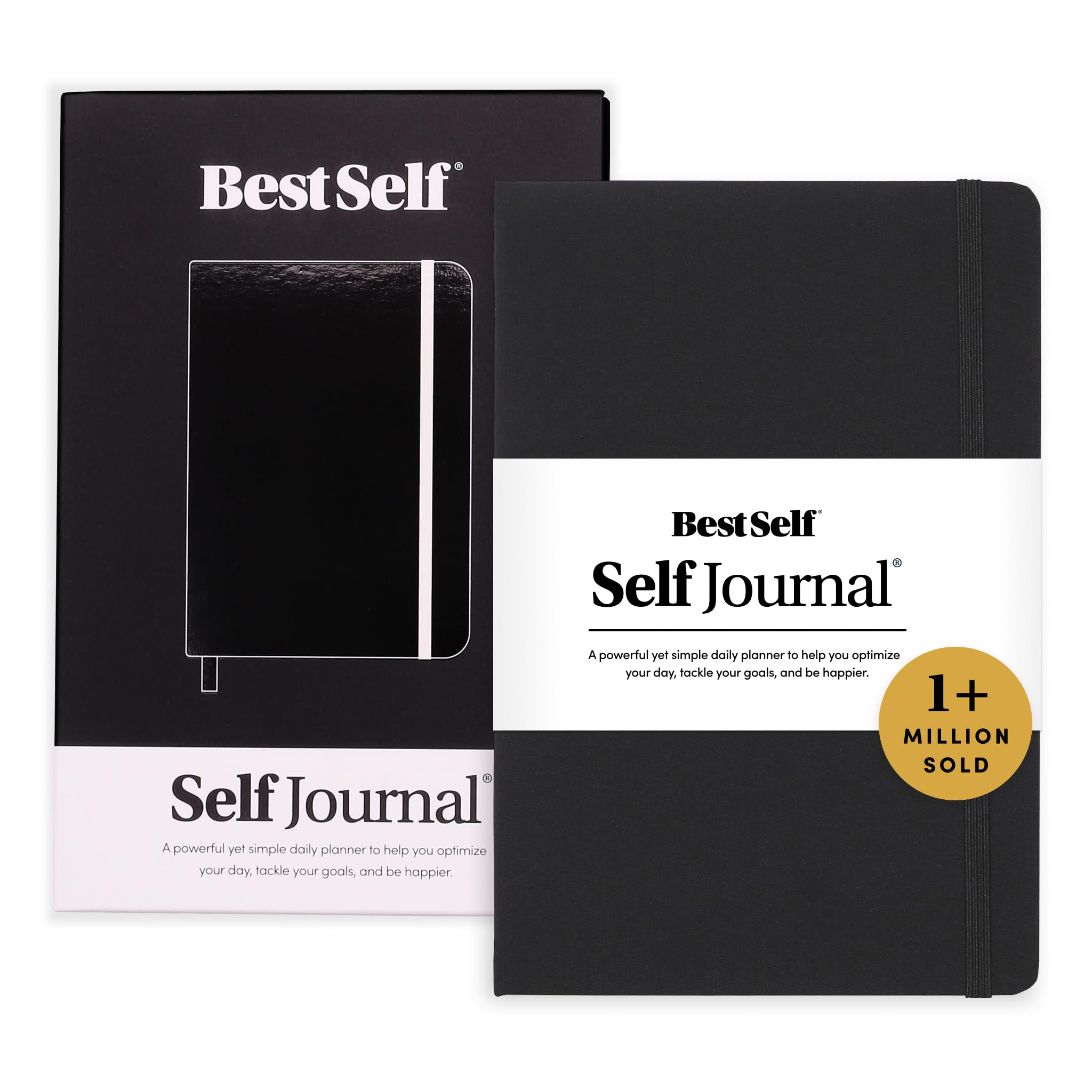
BestSelf Self Journal

BestSelf Self Journal

Semester goals

Customer rating 4.6/5
Check Price

Worth Noting

  • The premium price can stretch a typical undergrad budget, and layout changes between editions may disappoint repeat buyers
Undated
Yes
Layout Type
Daily time-blocking
Portability
A5 notebook
Habit & Focus
SMART goal reflection
Read the full review

A premium 13-week journal that structures a full semester through SMART goal tracking, daily time-blocking, and weekly reflection — built into a durable A5 that survives a backpack. It maps best to a graduate or high-achieving student who will commit to the complete cycle; on an undergrad budget the premium price can be a stretch, and it suits driven planners better than students who just want a simple weekly checklist.

Budget for it as a one-semester expense and commit to the full 13 weeks — the daily reflection builds momentum when used consistently.

Bottom line: Treat this as a semester-long investment — the structure pays off for students who commit to all 13 weeks, not those after a lightweight to-do list.

#6

Taja Weekly + Habit Tracker

Taja Weekly + Habit Tracker

Budget weekly

Customer rating 4.6/5
Check Price

Worth Noting

  • Weekend writing boxes are cramped, squeezing Saturday and Sunday into one small area.
Undated
Yes
Layout Type
Weekly goals
Portability
A5 notebook
Habit & Focus
Habit tracker grid
Read the full review

Pairing the lowest price in this set with 100gsm paper and a weekday habit grid, this A5 weekly keeps to-dos and priorities centered. Weekday planning is genuinely useful at this cost, though weekend boxes shrink dramatically and paper can feel lighter than the 100gsm claim — best for students who plan weekdays and rarely crowd a Saturday.

Bottom line: A smart buy for weekday-heavy schedules where the modest weekend boxes rarely matter — ideal for students who want habit tracking without the premium price tag.

#7

Templatables Hourly Desk Pad

Templatables Hourly Desk Pad

Visual planning

Customer rating 4.4/5
Check Price

Worth Noting

  • Writing boxes run small, so lengthy task lists are harder to fit legibly
Undated
Yes
Layout Type
Hourly time-blocking
Portability
Desk pad
Habit & Focus
—
Read the full review

The A4 desk pad brings color-coded hourly time-blocking to a fixed desk, with a rainbow layout that visual learners grasp immediately and tear-away sheets that pin to a wall. Writing boxes run small, so it suits short notes and color-blocking over lengthy task lists, and the cardboard back can separate with handling — a desk-bound setup works best.

Bottom line: For visual learners at a fixed desk who color-code their week, this pad makes time-blocks visible — if you need roomy writing or class-to-class portability, a bound planner fits better.

How to Choose

Layout Type

Hourly time-blocking segments the day into fixed chunks, which directly counters time blindness by forcing you to assign a task to each hour. This works best for students with back-to-back class blocks or who lose track of time mid-assignment.

Daily to-do lists give you one page per day without time anchors, ideal for list-lovers but risky if you underestimate how long tasks take. Weekly goals offer a high-level view, but complex schedules may get lost in the overview.

The hidden trade-off: hourly planners feel rigid if your schedule changes daily, while weekly planners may leave unstructured hours that spiral. Match the format to how your day actually flows.

Undated Flexibility

Undated planners let you start mid-semester or skip missed weeks without wasting pages — a crucial feature for ADHD students who often fall behind on a dated agenda. You simply write in the date when you're ready.

The trade-off is that undated layouts require you to set up your own structure each week, which can add friction. If you prefer a built-in routine, a dated planner might be better, but the flexibility of undated almost always wins for ADHD use.

Habit & Focus Sections

A habit tracker grid or a daily focus prompt gives a quick dopamine hit when you check a box, reinforcing consistency. These sections work best when they're physically linked to your schedule — for example, a habit grid on the same spread as the weekly tasks.

The mechanism matters: if the habit section is disconnected from the day's plan, you'll likely ignore it. Look for layouts that put habits next to the daily to-do list or time-block so the two reinforce each other.

Writing Space Per Day

Cramped daily boxes are the most common regret in this category. Many budget planners squeeze a full week onto one page, leaving tiny sections that force you to write micro-tasks or abandon the planner entirely.

Full-page daily layouts give room to spread out and see your day at a glance, but they make the planner bulkier and less portable. The trade-off is between portability and the mental clarity of a comfortable writing area.

Portability

A5 notebooks slide into a backpack and go to class, but their smaller pages often mean reduced writing space per day. Desk pads (6x9 or A4) lie flat at a fixed study spot, offering more room and horizontal spread, but they don't travel well.

Consider where you actually plan: if you need to check your schedule between classes, a portable notebook wins; if you do most planning at a desk, a pad's larger grid may be worth the trade-off.

Frequently Asked Questions