Music Learning Product Guide

8 Best Piano Books for Beginners in 2026: Match Your Learning Style

Which beginner piano books actually teach the fundamentals — and match format, difficulty, and pacing to the learner's age and goals.

8 Best Piano Books for Beginners in 2026: Match Your Learning Style editorial illustration

The first piano book you pick usually shapes the next six months of practice. Many beginner books promise a fast path, but the real decision comes down to pacing: a focused method that builds note reading in small steps, or a comprehensive course that packs theory, technique, and songs into one volume.

That trade-off matters because beginners quit when material jumps ahead too quickly, or when the tunes don't hold their interest. Children and adults also need different pacing — a book that works for a six-year-old will bore a motivated adult within weeks.

This guide sorts the most trusted beginner methods by the learner they actually serve, so you can match the right format and pace to your goals — and know which titles are supplements rather than complete courses.

#1

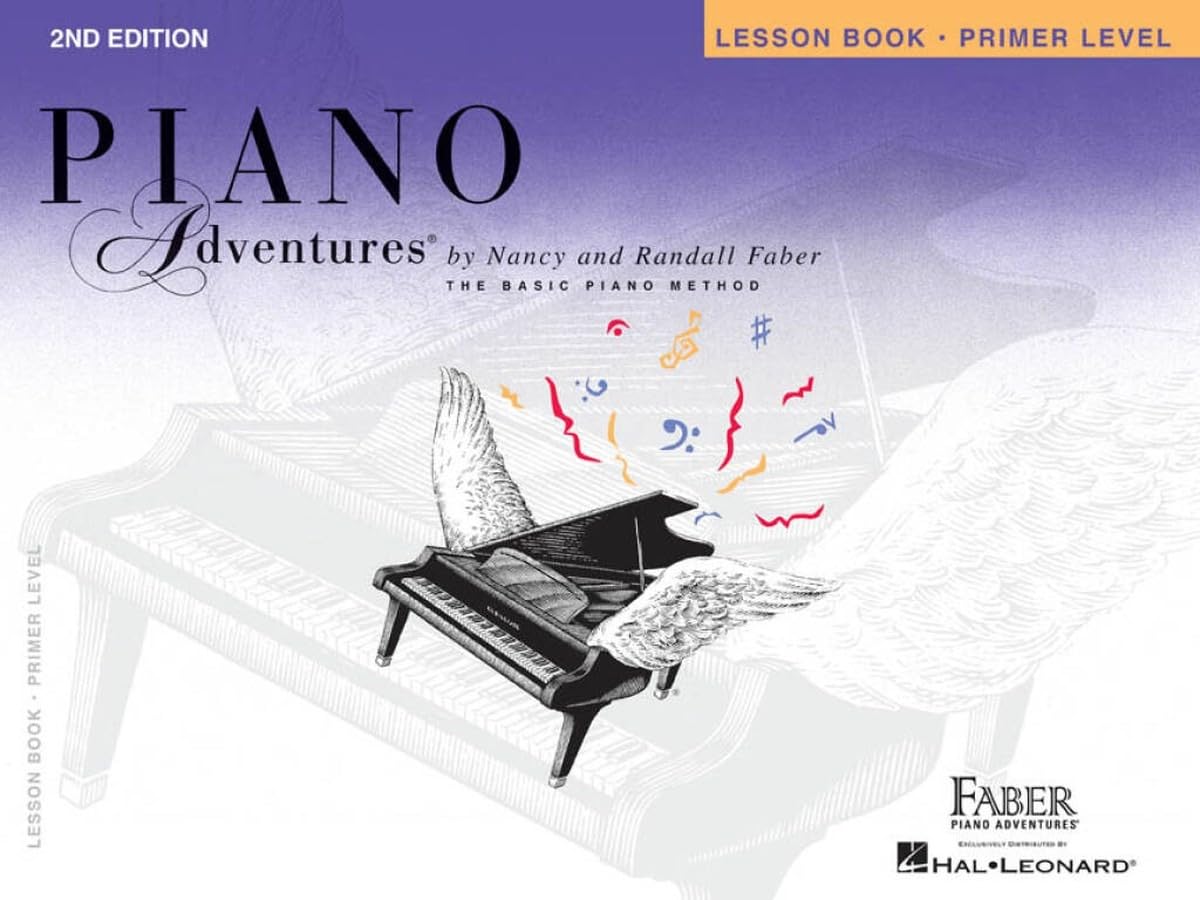
Faber Primer Lesson Book
Faber Primer Lesson Book

All ages

Customer rating 4.8/5
Check Price

Worth Noting

  • Covers the lesson strand only—theory and performance books are sold separately for a full curriculum
Format
Lesson Book
Book Type
Lesson only
Difficulty
Primer
Target Age
Kids 5-8, adults
Read the full review

Step-by-step note reading is the backbone of this book—each new concept arrives in small, digestible steps that build confidence without overwhelming a first-time player. The child-friendly pace keeps young learners engaged, and adults who prefer a gradual track progress steadily through the short, playful songs. Teacher endorsement runs deep here, and it shows: this is the primer most studios start with, and its clarity makes it the safest first purchase in the category.

This suits parents teaching kids aged 5–8, piano teachers launching new students, and adult beginners who want structure over speed. The honest limitation is scope—it covers the lesson strand only, so you'll need to buy the companion theory and performance books for a complete curriculum. That's an extra purchase, but it keeps the entry price budget-friendly.

Bottom line: The best entry point for guided beginners—parents, teachers, or self-teaching adults—just plan to pair it with the companion theory and performance books for a complete first-year course.

#2

Alfred Adult All-in-One

Alfred Adult All-in-One

Adult self-learners

Customer rating 4.7/5
Check Price

Worth Noting

  • Song selection is taste-dependent, and later tunes may not inspire every learner.
  • The comprehensive density can feel heavy for absolute beginners working through everything at once.
Format
All-in-One
Book Type
Comprehensive
Difficulty
Level 1
Target Age
Adults
Read the full review

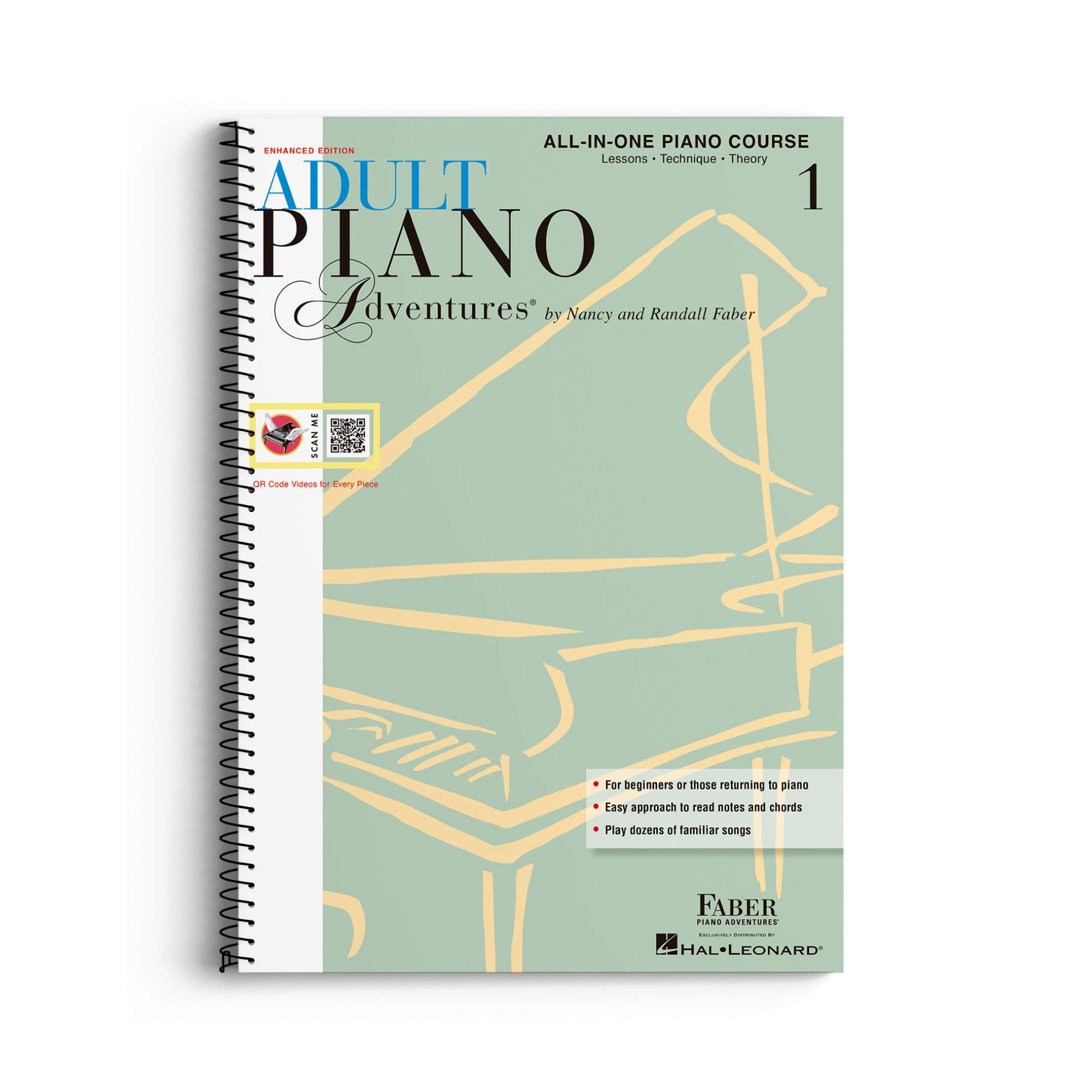
The spiral-bound all-in-one folds lesson, theory, and technic into a single volume, letting self-taught adults work through a full curriculum without toggling between separate books. Compared with the slimmer Faber adult course, this packs more material per page, which suits learners who want one complete resource.

Adult beginners learning alone, or returning after a break, get clear step-by-step instruction plus plenty of recognizable songs. The same comprehensiveness can feel dense for absolute beginners, and song selection is taste-dependent — a fit for committed self-learners working steadily page by page.

Bottom line: Right for adult self-learners who want the full curriculum in one book; beginners preferring a slower, more gradual pace are better served by the Primer.

#3

Faber Adult All-in-One

Faber Adult All-in-One

Tech-savvy adults

Customer rating 4.7/5
Check Price

Worth Noting

  • Dense pages may feel cramped to readers who prefer a cleaner layout
Format
All-in-One
Book Type
Comprehensive
Difficulty
Level 1
Target Age
Adults
Read the full review

Sheets of lessons, theory, and technique sit inside one volume, with digital audio available online for each piece — the practical advantage over the Primer for self-taught adults. Faber's step-by-step pacing carries over, giving complete beginners a clear route through note reading without a teacher nearby.

Adult learners who prefer Faber's pedagogy and want audio examples while practicing are the natural fit here. The denser all-in-one layout can feel cramped on some pages, so this course suits readers comfortable with packed pages — those wanting a sparser, traditional format should look to the slimmer options in this set.

Play the digital audio tracks alongside each piece — they keep timing steady through the denser theory sections.

Bottom line: Adult beginners teaching themselves who want audio support and a complete single volume — the modern counterpart to the Primer's universal appeal.

#4

Easy Piano Classics for Kids

Easy Piano Classics for Kids

Kids 5-9

Customer rating 4.7/5
Check Price

Worth Noting

  • Once kids are ready to combine hands, the single-note melodies provide no progression path
Format
Songbook
Book Type
Supplement
Difficulty
Beginner
Target Age
Kids 5-9
Read the full review

Forty classics kids already know — Twinkle, Jingle Bells, Ode to Joy — appear with letter names above each note, so a 6-year-old can play a complete song within minutes of opening the cover. Where the Faber Primer paces note-reading step by step, this book trades structured progression for instant gratification.

It fits children ages 5 to 9 in their first year of lessons who want familiar tunes, plus teachers after extra practice material. Melodies stay right-hand single-note, so nothing here builds two-hand coordination or rhythm reading — that belongs to a primer-level method once the excitement of playing sets in.

Bottom line: The right pick for parents of 5-to-9-year-olds who want early wins and familiar songs. Pair it with a structured primer once your child begins combining hands.

#5

Alfred Lesson Book 1A

Alfred Lesson Book 1A

Young kids

Customer rating 4.8/5
Check Price

Worth Noting

  • Lesson book covers only the lesson strand
Format
Lesson Book
Book Type
Lesson only
Difficulty
Level 1A
Target Age
Kids 5-7
Read the full review

Alfred's Lesson Book 1A is the long-standing choice for young starters, and the included play-along CD is what lifts it above simpler primers — kids hear the timing while they practice, turning routine drills into a more musical experience. Each lesson introduces notes one at a time through familiar songs, so a five-to-seven-year-old builds momentum without feeling overwhelmed.

This is the right fit for a young child taking lessons with a teacher, or for a parent following the sequence at home. The book covers the lesson strand alone — companion theory and performance books are separate purchases, so families planning a complete course should expect to budget for the set. Adults will find the pacing too gentle and should look to the all-in-one alternatives instead.

Bottom line: For a five-to-seven-year-old's first lessons, this teacher-backed method is the right foundation — set aside budget for the companion theory and performance books to complete the curriculum.

#6

John Thompson First Grade

John Thompson First Grade

Slightly advanced

Customer rating 4.8/5
Check Price

Worth Noting

  • Absolute beginners learning alone may find the pace swift
Format
Lesson Book
Book Type
Lesson only
Difficulty
First Grade
Target Age
—
Read the full review

John Thompson's First Grade builds technique through timeless melodies, each lesson introducing a new concept — an engaging climb for students with a couple of lessons behind them. The pace runs quicker than in primer-level books, so a first-time novice may feel rushed; those who already read basic notes will get the most out of it.

Bottom line: Best for a student who has taken a few lessons or a teacher building technique in a supplement. A complete beginner on their own should start with a gentler primer first.

#7

Schaum Red Book

Schaum Red Book

Very young kids

Customer rating 4.8/5
Check Price

Worth Noting

  • Lacks the theory and technique depth of a multi-book series
Format
Lesson Book
Book Type
Lesson only
Difficulty
Level A (Primer)
Target Age
Kids 4-7
Read the full review

Clear, simple instruction with large notes helps kids as young as four play singable songs quickly. The step-by-step pacing works well for absolute beginners. As a standalone lesson book, however, theory and technique depth is thin compared with multi-book series, so this suits families wanting an approachable introduction over a complete curriculum.

Bottom line: Best for parents and teachers introducing piano to kids ages 4–7 who want an approachable, singable start rather than a full curriculum.

#8

Alfred Adult Lesson 1

Alfred Adult Lesson 1

Budget adult learners

Customer rating 4.8/5
Check Price

Worth Noting

  • A complete course requires separate theory and technique volumes, so true cost exceeds the single-book price.
Format
Lesson Book
Book Type
Lesson only
Difficulty
Level 1
Target Age
Adults
Read the full review

Alfred's Adult Lesson Level 1 pairs a budget-friendly price with a classic standalone Level 1 format — an accessible first book for cost-conscious adults. Its effectiveness for true beginners isn't independently confirmed, so results depend on how it integrates into a wider practice routine.

Bottom line: Reserve this for adult beginners on a strict budget who expect to assemble a full curriculum in stages.

How to Choose

Difficulty Level

A Primer book assumes zero prior knowledge and introduces note reading and rhythm in single, digestible steps before combining hands. A Level 1 book expects that foundation and moves quickly into two-hand coordination and wider hand positions. Skipping the primer to save time backfires within weeks, because each new piece demands skills the book never taught.

The hidden trade-off is pace. Too-gentle books bore motivated adults, while faster books overwhelm complete novices. Match the difficulty to the learner's true starting point rather than where you hope they will be in a month.

Format

All-in-one courses fold lesson, theory, and technique into one volume, which suits self-learners who won't coordinate several books. The cost is density: these pages run thick, and the binding takes real wear from daily flipping. Separate lesson and theory books let you pace each strand, but you must manage the set and can leave gaps if you skip a volume.

The all-in-one also sequences theory right beside each lesson, so self-learners see how technique and reading connect in context. That integration is the main reason adult self-teachers prefer them, while buyers who already have a teacher often do better with separate books their instructor assigns.

Target Age

Children's methods lean on illustrations, repetition, and a slower tempo to hold focus, while adult editions assume faster progress and weight songs toward recognizable tunes. Giving an adult a child's book breeds boredom within weeks; giving a young child an adult pace fosters frustration. Choose the age range the book was written for rather than the closest title.

Book Type

A method book is a complete curriculum that builds skills in sequence, while a songbook or supplement exists to motivate practice with playable tunes. Letter-note songbooks get a beginner playing familiar melodies almost immediately, but they never teach note reading or rhythm in a structured way. Use them beside a method book, not in place of one, or the learner builds confidence without fundamentals.

Frequently Asked Questions