Music Learning Product Guide

9 Best Headphones for Digital Piano Practice 2026: Private Sessions

Which closed-back over-ear headphones fit your digital piano's 6.35mm jack and keep practice private, so you can play anytime without waking the house.

9 Best Headphones for Digital Piano Practice 2026: Private Sessions editorial illustration

The most common way practice headphones fail at a digital piano has nothing to do with sound quality. It's the connection and the seal. Many models built for general listening skip the 6.35mm jack your keyboard expects, and open-back designs let every note escape the room.

Closed-back over-ear pairs with an included 6.35mm adapter resolve both problems: your playing stays private and your ears stay comfortable through long drills. That combination is the baseline for any pair worth buying here.

Beyond it, the practical choice comes down to budget-conscious monitoring versus professional-grade accuracy. Matching that trade-off to your routine — casual practice, daily drills, or teaching others — decides which headphone earns its place at your instrument.

#1

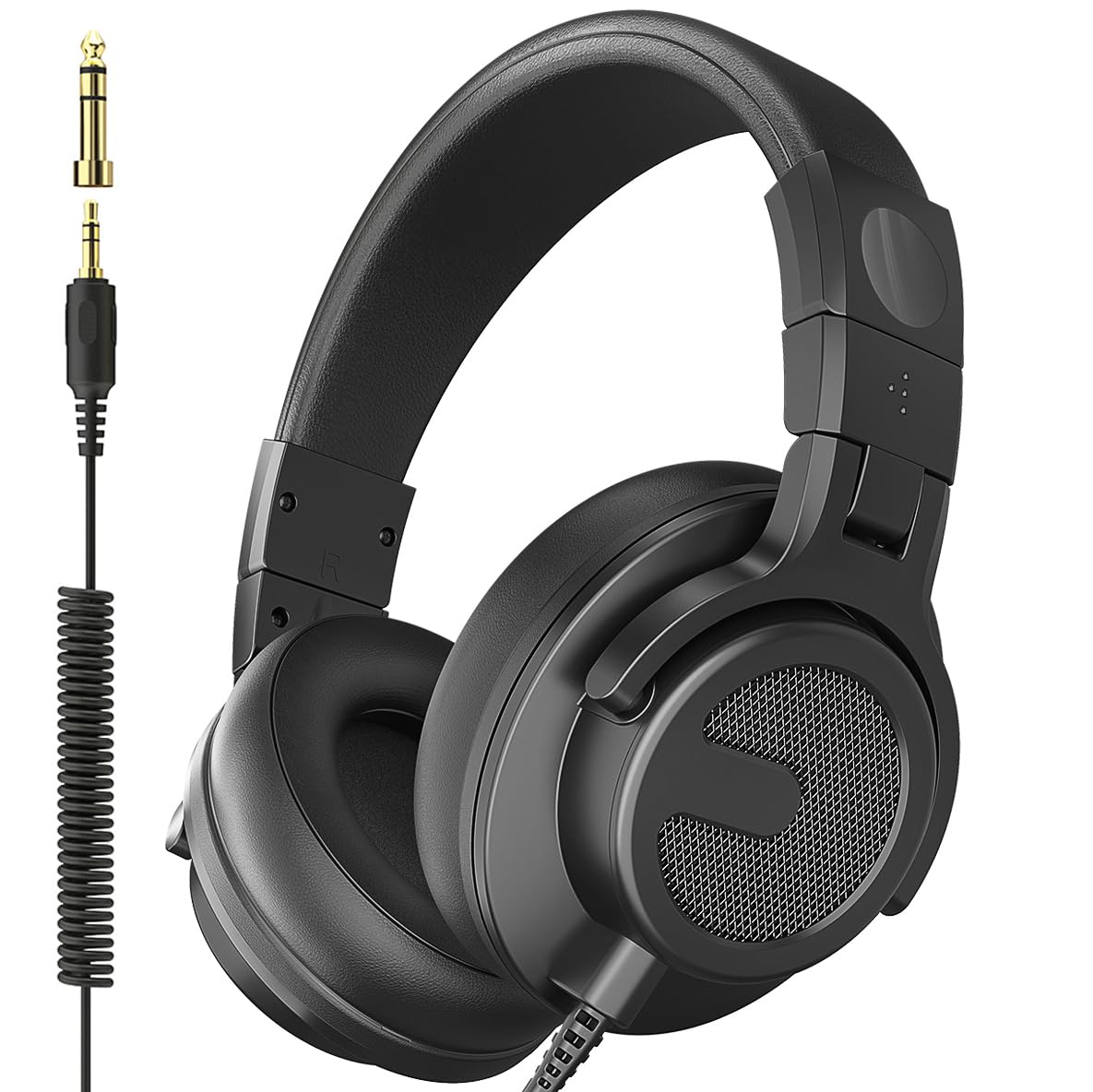
JOYO JMH-02

JOYO JMH-02

Piano practice

Customer rating 4.6/5
Check Price

Worth Noting

  • The 3-meter cable is permanently attached, so a worn cord means replacing the whole headphone rather than swapping a cable.
  • In critical mixing or recording work that demands a ruler-flat reference, the JMH-02's warmer balance sits a step below professional studio monitors.
Design
Closed-back
Ear Style
Over-ear
Impedance
32 Ohm
Driver Size
50mm
Read the full review

JOYO's JMH-02 pairs accurate closed-back monitoring with the right wiring out of the box: both 3.5mm and 6.35mm jacks are included, so the 3-meter cable plugs straight into a digital piano with no adapter hunt. The 50mm drivers deliver clear, detailed sound that exposes pedal timing and voicing errors during practice, and the over-ear seal cuts room noise so a metronome or teacher's voice stays in your ears rather than bleeding outward. That clarity and isolation cover the real needs of daily keyboard work, putting it ahead of budget cans that market studio claims but omit the proper jack, and it holds its own on clarity against far pricier studio models in this set.

Comfort holds through hour-long sessions, with generously padded ear cups and a clamp that stays secure during dynamic playing rather than gripping the skull. The 32-ohm impedance is easy to drive, reaching satisfying volume straight from the piano's headphone output without an extra amp. The long cable reach lets you sit back from the keyboard, and because the back is fully sealed, practicing late at home won't carry into the next room, so household members won't hear your scale drills.

This is the natural fit for budget-conscious piano students and home-studio players who want honest monitoring without flagship pricing. The tradeoff to accept is the build: a plastic-bodied frame made to a price keeps the cost low, and long-term durability across years of daily practice is less established than the reference-grade studio staple in this set. That caveat carries less weight for a first serious pair of practice headphones, where accurate sound, comfortable fit, and the adapter-included wiring do the heavy lifting. Wireless buyers should look at the hybrid option in this set instead.

Value is the headline: at a budget price the JMH-02 carries the monitoring fundamentals a student actually uses, minus the marketing gloss of flashier budget cans. For a beginner to intermediate player running drills and recording quick practice takes, the correct jacks and long cable remove the usual adapter hunt and setup friction. That makes this an easy first purchase for anyone whose main goal is a clear, comfortable headphone for daily piano practice.

Coil the 3-meter cable loosely when storing and unplug at the connector rather than the cord to protect the fixed jack.

Bottom line: For budget-conscious piano students, the JMH-02 is the practical pick: genuine closed-back monitoring, both jacks included, and hour-long comfort without the premium price. The adapter-included wiring and long cable spare buyers the usual adapter hunt.
#2

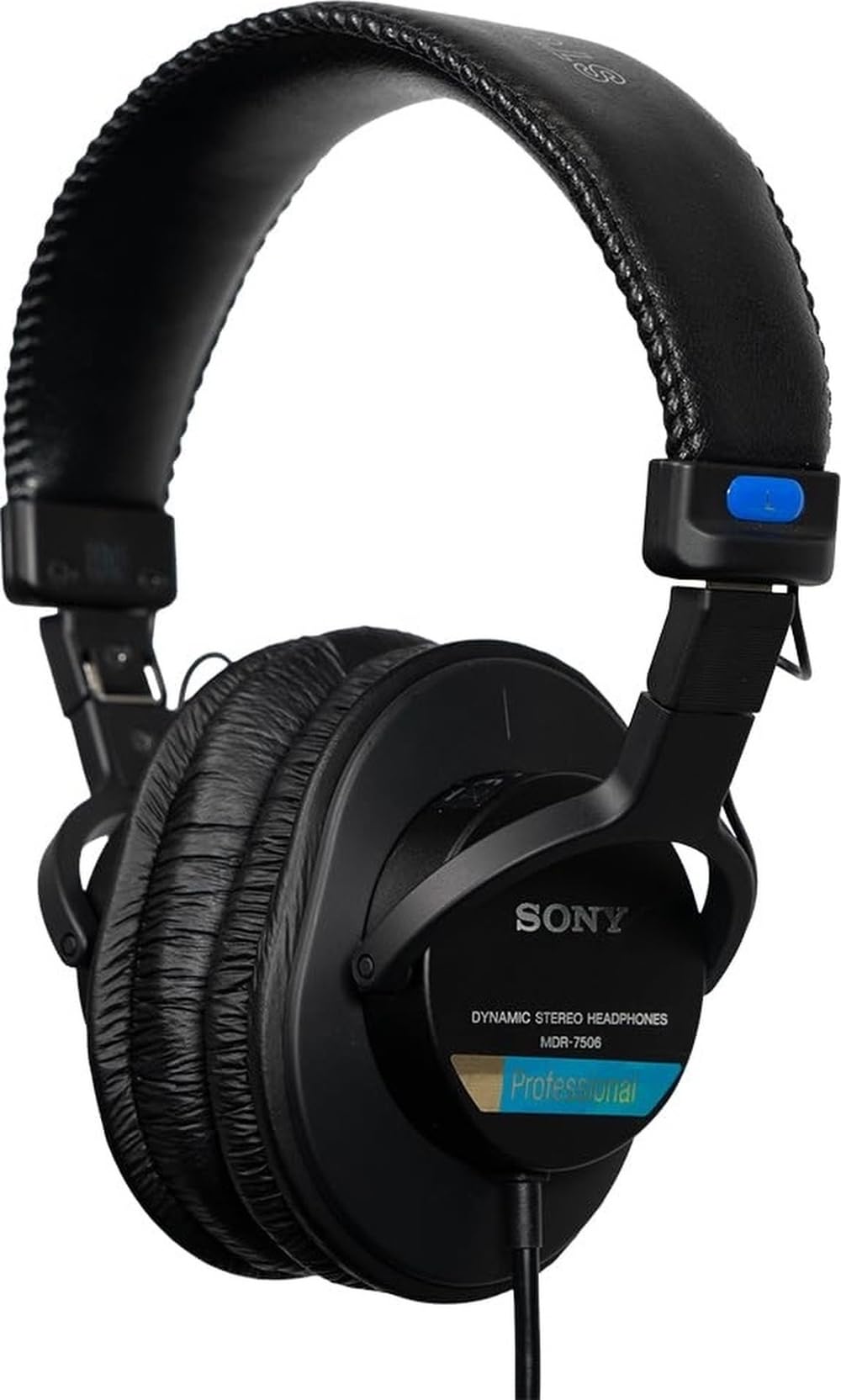
Sony MDR7506

Sony MDR7506

Professional practice

Customer rating 4.7/5
Check Price

Worth Noting

  • In long practice sessions the snug ear pads can feel constricting
  • The fixed cable can develop an intermittent signal where it meets the earcup if the cord gets yanked during setup
Design
Closed-back
Ear Style
Over-ear
Impedance
63 Ohm
Driver Size
40mm
Read the full review

The MDR7506 delivers the precise imaging and transparent timbre behind its decades-long studio reputation, and that accuracy carries straight into piano practice — every note rings with the detail a mixing engineer depends on. Where the budget top pick covers the essentials at a fraction of the price, this pair goes further, exposing uneven voicing, pedal bleed, and fingering noise you might otherwise practice past. The closed-back seal cuts nearby room noise, so the piano sound you hear is the sound you actually played rather than the room around you.

The included 1/4-inch adapter plugs straight into a digital piano's headphone output, and the 9.8-foot cable reaches comfortably from bench to instrument without tugging at the jack. The 63-ohm impedance pairs cleanly with a piano's headphone circuit, holding steady volume through long practice blocks. Passive isolation does the work of noise canceling without added electronics — no battery, no hiss floor, just the piano.

This headphone suits the serious player, the teacher, and the recording pianist who needs to hear exactly what their fingers produce. The snug clamp fits tightly — fine for focused half-hour sessions, less forgiving through a full evening of repertoire review — and the premium price reflects a studio instrument rather than a casual listening headphone. Budget-constrained buyers, or anyone who finds a firm clamp uncomfortable, should weigh the top pick instead.

Set the headband a notch looser than you normally would — the clamp pressure eases as the ear pads soften after a few wears.

Bottom line: The MDR7506 pays for itself in accuracy — players who treat practice as ear training will catch voicing and pedal details that budget monitors mask. Bring patience for the clamp and the reference clarity rewards every session.

#3

Roland RH-5

Roland RH-5

Roland owners

Customer rating 4.3/5
Check Price

Worth Noting

  • With daily handling, the hinge or cable can show wear within a few months
  • Output runs low, so some digital pianos need their volume at maximum to reach comfortable loudness.
Design
Closed-back
Ear Style
Over-ear
Impedance
32 Ohm
Driver Size
40mm
Read the full review

The Roland RH-5 bets on comfort and quiet play rather than peak loudness: plush ear pads keep pressure off through an hour of scales, and the closed-back seal stops sound from spilling into the room when the electric piano is on. That focus makes it the comfort-and-isolation option next to the top pick's reference-grade brightness.

This headset belongs to Roland owners practicing at home who want to keep the volume down for housemates — the tuned response pairs naturally with electric piano voices, and the 190-gram shell stays light on the neck across back-to-back sessions. Output runs low, so some pianos need their volume at maximum to reach a satisfying level; for casual practice that is a tolerable quirk rather than a dealbreaker.

Sound stays clean and uncolored across the instrument's range, with the low end held in check so the left hand does not muddy the melody line. The 3.5mm plug reaches the piano's output through the included conversion jack, and the cushioned headband spreads weight evenly, so back-to-back practice blocks stay comfortable rather than fatiguing.

Raise the piano's volume a notch and the RH-5 holds up fine for home practice.

Bottom line: For Roland owners who prioritize comfort and quiet play over peak loudness, this is the sensible practice pick.

#4

OneOdio Pro-10

OneOdio Pro-10

Dual-device use

Customer rating 4.4/5
Check Price

Worth Noting

  • Ear cups run small and sit tight on larger ears, making extended practice feel cramped.
  • Plastic housing and cable show wear faster under daily travel, and unit-to-unit build quality can vary.
Design
Closed-back
Ear Style
Over-ear
Impedance
32 Ohm
Driver Size
50mm
Read the full review

Fifty-millimeter drivers, dual 3.5mm and 6.35mm jacks, and a connection that holds two devices at once make the OneOdio Pro-10 the monitoring workhorse of this budget set. Where the balanced top pick keeps everything even, this one leads with a livelier low end and a second simultaneous link, so a practice session can run a piano and a phone at the same time without swapping cables.

The bass carries genuine weight — low piano notes stay round and defined instead of muddy — while mids and treble remain clear enough for scale and chord drills. For the outlay it beats comparable closed-backs on price, and the 50mm drivers keep the low end prominent without smothering the rest of the range. Value for the money is the stand-out trait here, not a niche feature set.

This suits a beginner starting piano practice who wants an affordable closed-back that seals out room noise and keeps late-night sessions private. The honest boundaries: the cups fit snug against larger ears, so long sessions can feel tight, and the plastic build is best kept at home rather than thrown in a bag day after day.

Give the headband a gentle outward pull so the cups rest fully over the ears — the snug pads form a DJ-style seal that suits monitoring best.

Bottom line: For beginners who want bass-forward monitoring and a phone wired in alongside the piano, this is the cheapest 50mm route in the set — best matched to average-sized ears.

#5

Yamaha HPH-50B

Yamaha HPH-50B

Yamaha pianos

Customer rating 4.6/5
Check Price

Worth Noting

  • The thin cable can develop connectivity issues over time and needs careful handling where it meets the jack
Design
Closed-back
Ear Style
Over-ear
Impedance
35 Ohm
Driver Size
—
Read the full review

Weighing 4.64 ounces, the HPH-50B is the lightest closed-back in this set, and that weight disappears across a full session. Its natural, uncolored voicing leans neutral rather than bass-forward, which pairs well with the hammer-action tone of Yamaha pianos — the instrument stays the source of the sound, not the headphone.

The closed-back shell keeps a firm seal around the ear, so practice stays contained — someone beside the keyboard won't hear the keys through the phones. With 35-ohm impedance and 103 dB sensitivity, a standard headphone output drives them clean without an amp, and the bundled 6.3mm adapter slots directly into console-style ports. Comfort holds past the hour mark, which matters more than any single headline feature for daily practice.

This suits Yamaha digital piano owners and students who want an affordable featherweight pair for daily practice without the bulk of heavier studio monitors. The frame clamps snugly, so buyers with very large heads should expect a tight fit rather than an open one.

At a mid-range price, the light build and Yamaha-tuned voicing are what the money buys rather than armored construction — a fair exchange for practice-room use. Against comfort-first rivals pitched at other brands, this one edges ahead on weight and a tone matched to Yamaha keys.

Bottom line: This is the featherlight answer for Yamaha owners who practice daily and want the instrument's tone to stay front-and-center across long, comfortable sessions.

#6

NUBWO HD01

NUBWO HD01

Detachable cables

Customer rating 4.3/5
Check Price

Worth Noting

  • The angled 45mm drivers play the low end light
  • Closed-back cups hold warmth, so a long practice in a warm room will heat the ears.
Design
Closed-back
Ear Style
Over-ear
Impedance
50 Ohm
Driver Size
45mm
Read the full review

Detachable cables are the standout here — when the cord finally shows its age, a fresh one slots in instead of retiring the whole headphone. The angled 45mm drivers render clear, natural imaging that keeps layered practice passages distinct, and the closed-back shell holds the sound in so evening sessions stay private. At 241g with cushioned pads, the fit rides comfortably across the hour-long stretches the top pick is known for.

This suits the budget-minded producer or pianist who treats a headphone as a working tool — someone who values replaceable parts and clean monitoring over a single lifetime buy. The tradeoff is its relative youth: durability across years of daily use is still unconfirmed, so it rewards players comfortable servicing accessories rather than expecting a decade from one purchase.

Owner accounts come back to three qualities: clear, natural sound; a solid build; and strong value at a mid-range price. The angled drivers keep the soundstage precise, which carries layered passages well in practice. Nothing here oversells — the imaging is the selling point, backed by a shell that holds together and a price that respects a student budget.

Drive it from the piano's own headphone socket for the cleanest level — the 50 Ohm load asks more of a phone's jack.

Bottom line: The serviceable studio monitor for pianists who value replaceable parts and clean imaging — a mid-range price for a headphone you can keep alive by swapping cables.

#7

AOC ACW3211

AOC ACW3211

Wireless flexibility

Customer rating 4.2/5
Check Price

Worth Noting

  • 40mm drivers deliver a leaner low end than the 50mm options here
  • Each mode is functional rather than refined
Design
Closed-back
Ear Style
Over-ear
Impedance
32 Ohm
Driver Size
40mm
Read the full review

The ACW3211's forte is the dual path: a 6.35mm jack that plugs straight into your digital piano and Bluetooth 5.4 for streaming from your phone between sessions. At a budget price, the 40mm drivers keep sound clear enough for practice, and battery life stretches through long wireless listening.

The tradeoff is focus. Neither mode is a specialist — the wired side is adequate for practice, the wireless side adequate for casual listening, and long-term build durability against daily use is still unverified. For a beginner who wants one headphone to move between the keys and a commute, the flexibility outweighs the gamble.

Use the wired 6.35mm jack for practice — Bluetooth suits casual listening, but the cable keeps timing tight.

Bottom line: The right buy if you want a single budget headphone to move between the piano and your phone — accept that long-term durability is still a waiting game.

#8

New Bee DH81

New Bee DH81

Budget beginners

Customer rating 4.2/5
Check Price

Worth Noting

  • Tuning targets practice clarity more than the reference accuracy recording work demands.
  • Durability across years of daily practice isn't yet documented
Design
Closed-back
Ear Style
Over-ear
Impedance
—
Driver Size
50mm
Read the full review

The New Bee DH81 pairs 50mm closed-back drivers, dual 3.5mm and 6.35mm jacks, and a 210g frame with a price that undercuts most of the field — an entry point that gets price-first beginners into properly monitored practice without a premium outlay. Clear, accurate sound for the money comes through in practice sessions, and the built-in dual jacks mean no adapter shuffling before plugging into a digital piano. The honest tradeoff is an unverified long-term record: durability across months of daily use isn't documented yet, so treat this as a speculative buy rather than an established multi-year companion. Right for students easing into monitored practice on a tight budget; those who need an established track record should look at the seasoned options in this set instead.

Bottom line: Fits price-first beginners who want a cheap closed-back 50mm set for monitored digital-piano practice, accepting that its durability record is still being written — step up to an established pick if multi-year wear matters more than the entry price.

#9

Aechorhy YY-03

Aechorhy YY-03

Budget 50mm

Customer rating 4.2/5
Check Price

Worth Noting

  • Sound profile is an expectation rather than a measured result, so tonal balance is unconfirmed.
  • Long-term build durability is not yet established, leaving reliability over time uncertain.
Design
Closed-back
Ear Style
Over-ear
Impedance
—
Driver Size
50mm
Read the full review

The Aechorhy YY-03 pairs 50mm drivers with both 3.5mm and 6.35mm jacks at the lowest price among 50mm picks here, and the full 20Hz-20kHz range plugs straight into a digital piano without an adapter.

What the spec sheet cannot promise is a track record — this remains a speculative buy. It fits a price-first beginner who wants a working pair immediately and is fine testing a fresh option; anyone needing proven dependability should weigh the other picks in this set.

Bottom line: Choose the YY-03 for a first budget practice pair when a quick, adapter-free start matters more than a proven track record.

How to Choose

Closed-Back vs. Open-Back

Open-back headphones vent air through the ear cups, which makes them sound wide but lets every note escape into the room and lets household noise in. Closed-back cups seal around the ear, containing your playing so you can practice at night without disturbing others. The trade-off is a slightly less spacious soundstage, which most pianists never miss during scales and drills.

The 6.35mm Adapter

Most digital pianos output through a 1/4-inch (6.35mm) jack, while nearly all consumer headphones ship with a 3.5mm plug. Without an included adapter you will be hunting for a converter the first time you sit down. Bundled adapters also remove an extra failure point, since a separate metal-only adapter can loosen and crack inside the piano's jack over time.

Driver Size

A 50mm driver moves more air than a 40mm one, producing fuller bass and a more present low end that suits the left hand. The gravity trade-off is weight: larger drivers add heft to the cups, which becomes noticeable after an hour. For piano practice the audible gain from 50mm is real but modest, and comfort often matters more.

Over-Ear vs. On-Ear Fit

Over-ear cups surround the ear and spread clamping pressure across a wide area, staying comfortable through long practice. On-ear designs rest directly on the cartilage, concentrating pressure and usually producing ear fatigue around the one-hour mark. The trade-off favors over-ear for piano work, since daily drills run longer than casual listening sessions.

Impedance

Digital pianos have modest headphone amplifiers, so a low-impedance pair between 32 and 50 ohms reaches full volume without straining. High-impedance models, such as 63-ohm studio sets, can come up quiet even with the volume maxed, depending on the piano's output stage. That is the mechanism behind the most common complaint of quiet practice: the headphones need more power than the instrument delivers.

Review Volume and Feedback

A pair with only a few dozen reviews gives little signal about whether the cable snaps at month three or the pads flatten after fifty sessions. Larger review bases surface recurring failure modes that a spec sheet never mentions. For budget headphones especially, review volume is the cheapest reliability check you can run.

Frequently Asked Questions