Early Learning Product Guide

12 Best Educational Toys for 3 Year Olds in 2026: Picks That Last

Which educational toys actually hold up to a 3-year-old's daily play — and which ones teach real skills instead of just lighting up.

12 Best Educational Toys for 3 Year Olds in 2026: Picks That Last editorial illustration

Three-year-olds are caught between two kinds of play: structured games that teach turns and rules, and open-ended building sets that let imagination roam. Most toy shelves claim to deliver both, but the ones that truly earn their space tend to commit to one. Figuring out which style fits your child — and which toys survive daily use — is where most parents get stuck.

Electronic toys often look like the easiest win, with lights, sounds, and talking prompts. In practice, their batteries, buttons, and screens generate the most complaints about premature breakage. Wooden puzzles and magnetic tiles, meanwhile, are built to absorb a toddler's worst treatment, and they keep teaching long after the novelty fades.

This guide sorts the best picks for 3-year-olds by what they actually develop — fine motor control, early language, STEM thinking, and social skills — so you can buy for the skill your child needs most, not the noise a box makes.

#1

Sneaky Squirrel Game

Sneaky Squirrel Game

Family game nights

Customer rating 4.8/5
Check Price

Worth Noting

  • The squeezer demands real grip strength, so the smallest hands may need an adult's help pressing in the opening games.
  • No solo mode
Age Range
3+ years
Play Type
Structured game
Durability
Durable build
Motor Skills
Squeezer control
Read the full review

Colors, turn-taking, and fine-motor control all land in a single round: the player spins the spinner, draws a colored acorn, and squeezes the squirrel's jaws to drop it into the log. That squeezer is the real lesson — it demands a precision grip no electronic button recreates, and the wood-and-plastic build holds up to repeated toddler fumbles. Setup takes minutes and the rules stay simple enough for a three-year-old to follow on the first try, keeping the focus on play rather than instructions, with no batteries and no setup fuss.

This is a group game by design, so a parent or sibling joins as co-player for every round — that shared attention is what makes turn-taking click. The spinner adds just enough chance that even a child who loses a turn stays engaged. It suits family game nights rather than solo floor play, and an older five-year-old may burn through the color-matching fast. For a three-year-old building fine motor and social skills, this is the rare toy that works on both in one sitting, and the squirrely theme keeps kids asking for another round.

Bottom line: A screen-free group game that develops a three-year-old's fine motor and turn-taking in one sitting — the right pick for family game nights with an adult at the table.

#2

M&D Lacing Beads

M&D Lacing Beads

Fine motor practice

Customer rating 4.8/5
Check Price

Worth Noting

  • Not for children who still mouth toys
Age Range
3+ years
Play Type
Independent activity
Durability
Wood; laces fray
Motor Skills
Threading, pincer grip
Read the full review

Thirty large wooden beads and two laces deliver fine motor practice as quiet, self-directed play — no squeezer, no rules, no screen. Where the top pick's game draws on turn-taking and a chunky tool, this set lets a lone 3-year-old thread, sort, and lace at their own pace, building pincer grip and hand-eye coordination through repetition.

A natural fit for families wanting solo, screen-free quiet time rather than a multiplayer game, and for preschool classrooms that rotate materials. Laces can fray with heavy use and occasional beads arrive with minor defects, so checking each piece on arrival is worth the minute; the wooden beads themselves keep their shape across repeated stringing sessions.

Bottom line: A budget-friendly classic that keeps its value after flashier toys lose appeal — right for households that want solo, screen-free fine motor practice.

#3

LeapFrog 100 Animals

LeapFrog 100 Animals

Language development

Customer rating 4.8/5
Check Price

Worth Noting

  • Four-year-olds who already know their animal names will outgrow it quickly
Age Range
18+ months
Play Type
Structured electronic
Durability
Durable
Motor Skills
Button pressing
Read the full review

Six double-sided pages bring 100 animals to life with real sounds and fun facts in both English and Spanish, delivered through tactile page turns rather than a screen. Three play modes reuse the same pages, and the chunky build endures daily toddler handling.

Suits toddlers 18 months and up still building animal vocabulary, especially bilingual families wanting a calm, solo option beside the top pick's turn-taking game. Four-year-olds who already know their animals will find little here to stretch them, so this book favors the younger end of the range.

Bottom line: For toddlers building their first animal vocabulary, especially in bilingual homes, this book delivers daily appeal the top pick's group game can't match.

#4

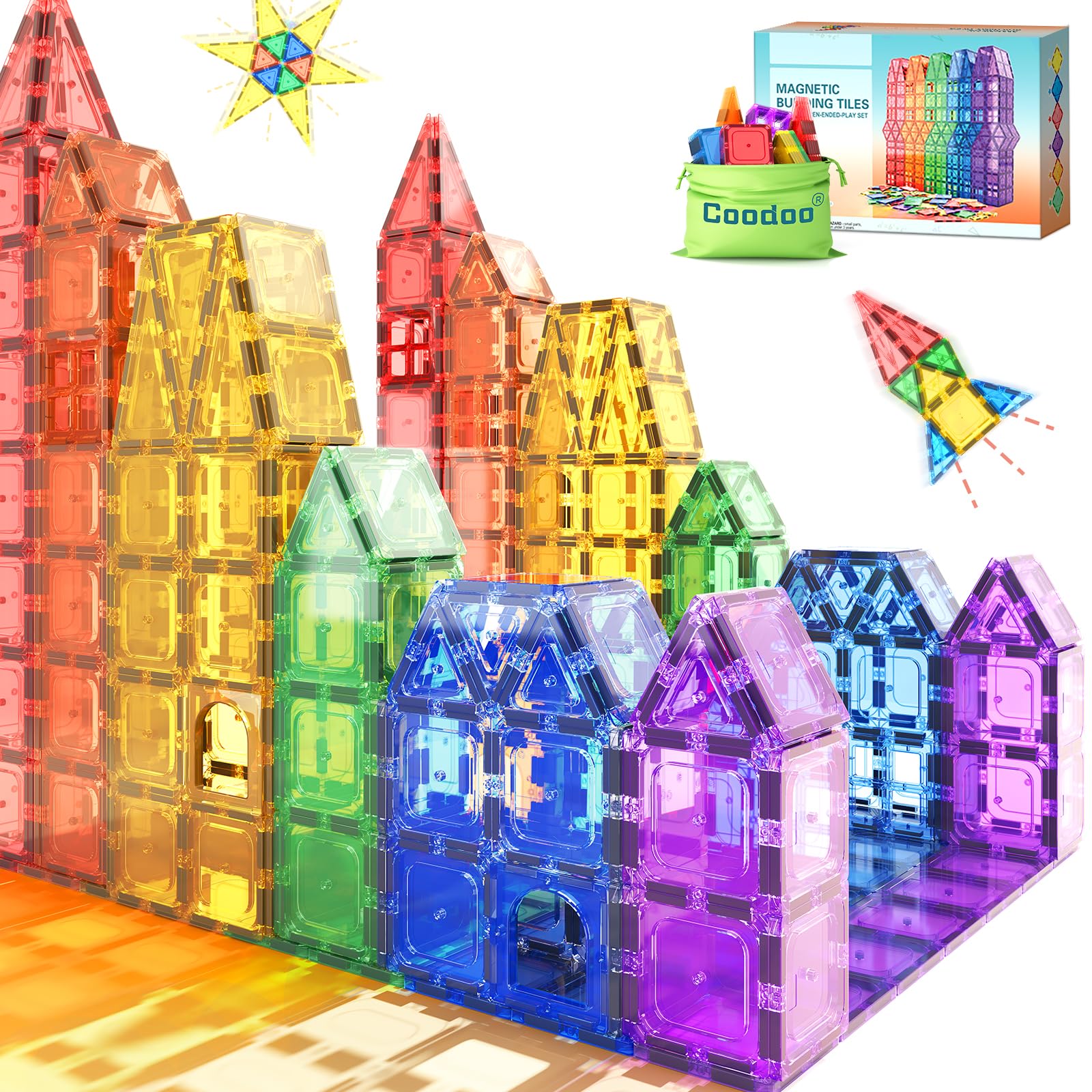
Coodoo Tiles 40pc

Coodoo Tiles 40pc

STEM building

Customer rating 4.8/5
Check Price

Worth Noting

  • Complex towers and full-scale houses can exhaust the 40 pieces quickly, so expansion is likely for serious builders.
Age Range
3+ years
Play Type
Open-ended building
Durability
Strong magnets
Motor Skills
Building, grasping
Read the full review

Where the top pick runs on structured turn-taking, these tiles run on free-form imagination. Forty strong ABS pieces snap together with enough magnetism to hold a tower aloft, and they click with leading brands so the set can grow over time. Kids build houses, towers, and letters with no screens and no rules.

This fits the 3-year-old who prefers inventing shapes to following game rules, making it a budget-friendly starter that keeps pace with free-form play at home or in a small group.

Bottom line: For the toddler who invents shapes rather than follows rules, this is the creative counterpart to the top pick's structured play.

#5

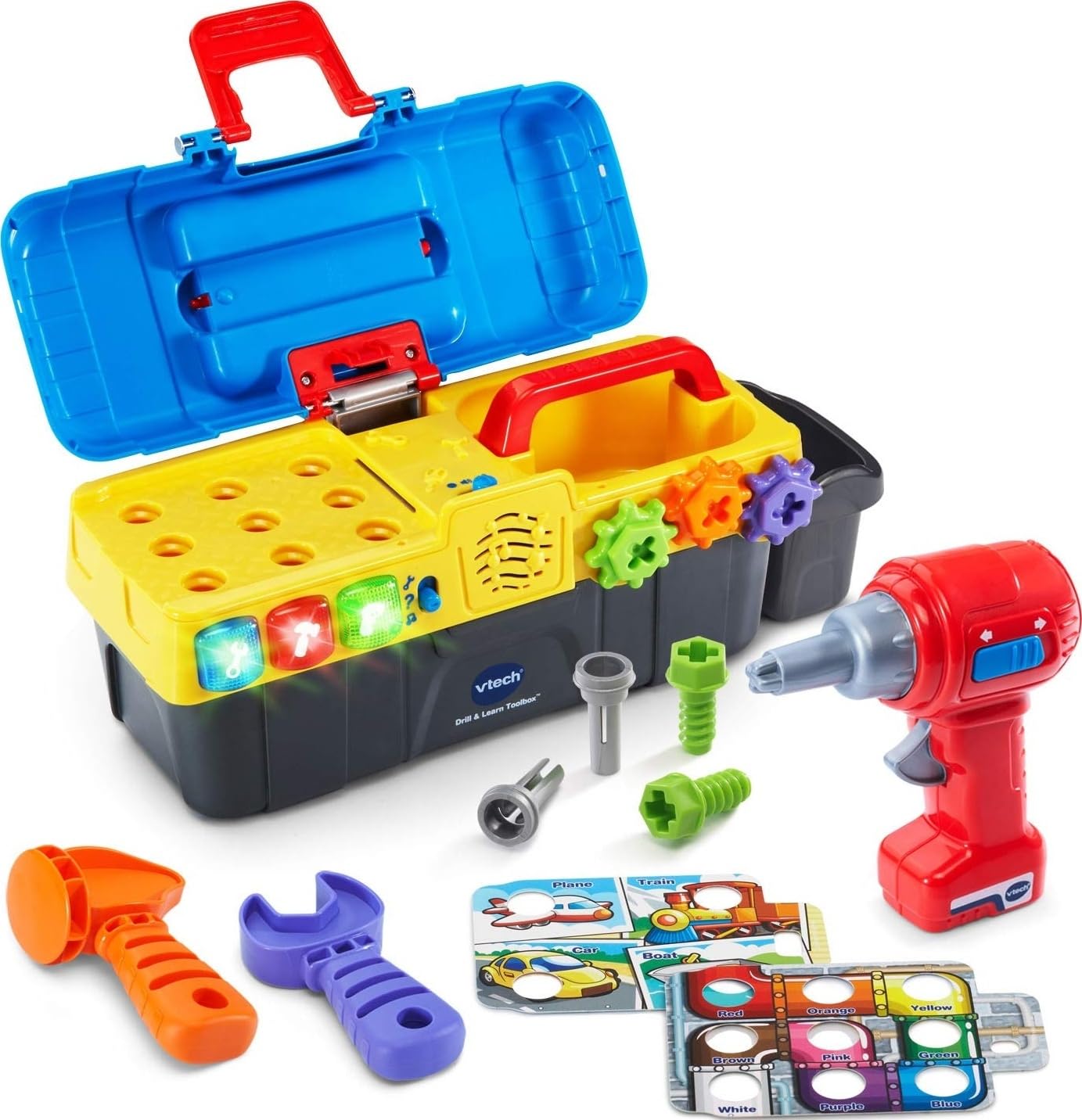
VTech Drill Toolbox

VTech Drill Toolbox

Pretend play

Customer rating 4.7/5
Check Price

Worth Noting

  • The drill can stop responding after repeated use.
Age Range
2-5 years
Play Type
Role-play
Durability
Plastic, moving parts
Motor Skills
Drill operation
Read the full review

Working drill, spinning gears, and a fix-it tray turn pretend repair into real fine motor work. Where the top pick runs on a color-matching squeezer, this toolbox runs on a motor-driven drill a toddler aims, presses, and turns — building tool vocabulary and hand strength along the way.

The tradeoff lives in the mechanism: the drill demands a firm press that small hands may not manage at first, and the motor can stop responding during long sessions. That points this at tool-obsessed toddlers with a grown-up nearby to guide the first rounds — not at solo or relentless heavy play.

The drill press is firm for small hands — press the trigger together for the first few sessions so frustration stays low while their grip builds.

Bottom line: Best for tool-obsessed toddlers who want hands-on pretend repair over a structured game — supervised sessions keep the drill's quirks manageable.

#6

Bluey Aqua Art

Bluey Aqua Art

Mess-free travel

Customer rating 4.7/5
Check Price

Worth Noting

  • Thin pen tip rewards small, steady strokes and can frustrate heavy-handed toddlers.
  • Pages may tear with rough handling, so this works best as a supervised activity.
Age Range
—
Play Type
Open-ended art
Durability
Pages tear
Motor Skills
Pen control
Read the full review

The water pen reveals color on each of four re-usable pages, then dries blank for another round — no paints, no markers, and no mess to clean. Compared to the larger water doodle mat, this pad trades drawing surface for portability, packing flat into a bag for the car or a restaurant table. Best for Bluey fans who need quiet drawing to survive a wait, it suits calm, supervised afternoons rather than heavy daily use.

Store the pages flat and keep pen strokes light to keep the sheets fresh for the next round.

Bottom line: Right choice for mess-free drawing on the move with gentle supervision, not a daily art supply for vigorous play.

#7

Play-Doh 10-Pack

Play-Doh 10-Pack

Sensory craft

Customer rating 4.7/5
Check Price

Worth Noting

  • Canisters are small — shot-glass sized for some
Age Range
2+ years
Play Type
Open-ended craft
Durability
Dough dries out
Motor Skills
Squeezing, molding
Read the full review

Ten vibrant colors deliver open-ended sensory and fine motor play at a budget price, ideal for classroom craft time. The small 2 oz cans run shot-glass size for some, and tiny hands may need help opening the twist lids. Dough dries if left uncovered, so treat it as fresh-play variety rather than a lasting supply.

Bottom line: Best as a cheerful, low-cost variety pack for classroom parties and group craft sessions — expect to refresh the dough as it dries rather than treat it as a long-term supply.

#8

Soyee Tiles 32pc

Soyee Tiles 32pc

Beginner building

Customer rating 4.8/5
Check Price

Worth Noting

  • The 32-piece count limits complex builds, so large structures need extra tiles.
Age Range
3-12 years
Play Type
Open-ended building
Durability
Sturdy ABS
Motor Skills
Building, grasping
Read the full review

32 sturdy ABS tiles with strong magnets deliver a smooth, durable building feel and match leading brands, so a starter set expands into a larger collection later. Kids build imaginatively and absorb early STEM concepts through open-ended play. The 32-piece count caps complex structures, which makes this an entry point rather than a complete build system.

Bottom line: Best as a first magnetic tile set or as an expansion to an existing brand collection, for families who want quality without a big outlay.

#9

LiKee Shape Puzzle

LiKee Shape Puzzle

Spatial play

Customer rating 4.7/5
Check Price

Worth Noting

  • The card-driven format limits open-ended building compared with magnetic tiles—a better fit for structured pattern-matching.
Age Range
3+ years
Play Type
Structured puzzle
Durability
Durable wood
Motor Skills
Block placement
Read the full review

Durable wooden blocks and 60 pattern cards build spatial reasoning through guided design, keeping play mess-free and screen-free. Each challenge exercises creativity at a calm, focused pace. Compared with magnetic tiles, the card-driven format limits free-form building, so this suits toddlers who prefer structured pattern-matching over open-ended construction—and won't hold a child who wants electronic interactivity.

Bottom line: A good fit for toddlers who enjoy following pattern cards over open-ended construction, provided the guided format matches their play style.

#10

VTech Write & Learn

VTech Write & Learn

Writing practice

Customer rating 4.7/5
Check Price

Worth Noting

  • Ink can fade with heavy use and the screen may malfunction, a compromise to weigh at a premium price
Age Range
3-6 years
Play Type
Structured electronic
Durability
Ink fades
Motor Skills
Tracing, drawing
Read the full review

The VTech Write and Learn Creative Center guides name tracing and stroke-order practice into pre-writing activities that hold a 3-year-old's attention, on a reusable magnetic screen that keeps practice mess-free. For families prioritizing structured early writing over open-ended playsets and the role-play drill of its sibling, it delivers focused practice. A reliability trade-off keeps it from higher placement.

Bottom line: Fits families who want guided early-writing practice at home and accept a possible screen trade-off for structured learning progress.

#11

Toyk Doodle Mat

Toyk Doodle Mat

Mess-free drawing

Customer rating 4.5/5
Check Price

Worth Noting

  • Thin mat can tear with repeated handling, so it serves light supervised sessions rather than daily use.
Age Range
—
Play Type
Open-ended art
Durability
Rips after use
Motor Skills
Pen control
Read the full review

The 40x28-inch surface keeps toddlers busy for long stretches with zero cleanup — water reveals color, dries blank, and reuses endlessly. It may run smaller than the photos suggest, and it suits supervised indoor group drawing better than heavy daily use.

Bottom line: For caregivers who want mess-free drawing at home, this mat fits — as long as sessions stay supervised and light-handed, not daily rough play.

#12

Huijing Busy Book

Huijing Busy Book

Quiet learning

Customer rating 4.7/5
Check Price

Worth Noting

  • Before first play, each piece needs Velcro attached, and a set may arrive missing a piece or two
Age Range
3+ years
Play Type
Structured book
Durability
Paper, Velcro
Motor Skills
Velcro attachment
Read the full review

Fifteen themed pages covering letters, numbers, and animals keep a three-year-old engaged during quiet time and car rides, with rich early-learning content. The catch is the setup: pieces need Velcro attached before first use, and sets may ship with missing parts — budget time to assemble and inspect on arrival.

Bottom line: Fits families who accept a short assembly session for a rich, portable quiet-time early-learning book

How to Choose

Match the Toy to a 3-Year-Old's Abilities

Age labels are a starting point, not a promise. A toy marked 3+ assumes a child can grip, press, and follow simple directions without constant help. The real gap shows up in dexterity — a button that is too stiff or a piece that is too small turns into a toy that sits in the bin.

Build Fine Motor Skills on Purpose

Fine motor toys work by forcing small hand muscles to coordinate with what the eyes see. Threading a lace, pressing a squeezer, and stacking a block each train a different grip — pincer, palmar, or wrist rotation. A child has to repeat the motion many times before it sticks.

That repetition is why the difficulty level matters. Too easy and the child loses interest in a day; too hard and frustration ends the session. Aim for a toy where success happens most attempts but not every attempt.

Look for Real Educational Value

Ask what a child actually does, not what the box claims. A toy that recites letters is passive — the child listens. One that requires matching, sorting, or building engages active recall, which is what cements recognition in a 3-year-old.

Electronic voices also loop the same content at a fixed pace. Manipulatives let a child set their own pace and revisit a concept on their own terms, which is why wooden and magnetic options often teach more deeply than flashier screens.

Check Durability and Materials First

Materials predict how a toy fares after months of daily drops. Wood and thick ABS plastic absorb rough treatment; thin plastic and flimsy pages crack and tear under the same load. Electronic components add extra failure points — buttons, screens, and batteries wear out faster than molded plastic.

Decide Between Open-Ended and Structured Play

Structured toys teach specific skills in a set sequence — take turns, match colors, complete a pattern — which suits kids who thrive on clear goals and predictable progress. Open-ended toys like magnetic tiles or modeling dough let a child drive the play, building creativity and problem-solving at their own pace.

The trade-off is real: structured play delivers measurable progress sooner, while open-ended play keeps a child engaged longer and adapts as skills grow. Pick the outcome you want for the coming year.

Frequently Asked Questions