Early Learning Product Guide

15 Best Board Books for 1 Year Olds of 2026: That Teach & Last

Board books that survive a 1-year-old's grip while building early language — and which lift-the-flap and sound-book features actually hold up.

15 Best Board Books for 1 Year Olds of 2026: That Teach & Last editorial illustration

At one, a board book does double duty: it's a literacy tool and a chew toy. Pages get yanked, flaps get pulled, and sound buttons meet sticky fingers. The books that earn a permanent spot in the rotation are the ones built to take that punishment while still holding a toddler's attention long enough for the words to sink in.

Interactive elements are where most of these books fall apart first. Lift-flap pages tear at the hinge, and sound buttons lose their responsiveness after heavy use. That doesn't make them bad — it just means knowing which features matter for your routine and which you can skip.

This guide centers on books that support early language — repetition, rhythm, and clear pictures — without falling apart before the second read-through.

#1

The Very Hungry Caterpillar

The Very Hungry Caterpillar

Foundational classic

Customer rating 4.9/5
Check Price

Worth Noting

  • Toddlers who favor bold cartoon characters may not connect with the collage-style artwork
  • Counting, days, and food each get a light introduction rather than focused skill practice
Text & Rhythm
Simple repetitive narrative
Educational Value
Counting, days, food
Durability Of Pages
Sturdy thick board pages
Interactive Features
Die-cut page holes
Read the full review

The most complete single-book early-learning package for this age, The Very Hungry Caterpillar bundles counting, the days of the week, and food into one story toddlers want to hear again and again. Die-cut pages give small hands something to lift and turn, and the layered collage art rewards close looks on each repeat. The board construction holds up to daily handling, a core reason it stays in first-library rotation.

Parents building a foundational library for an engaged 1-year-old will get the most value here. The story spans more pages than a two-minute bedtime read, so it rewards a little listener who stays with a longer narrative — the most restless toddlers may not sit the whole way through. Children who enjoy peeking through the cutout holes and touching the pages will return to it daily.

For caregivers who want a book that grows with a child from one to two, the blend of story, counting, and hands-on pages keeps it relevant well past that first birthday. It's the title families reach for when the goal is one solid book rather than a rotating shelf.

Let your child do the page-turning — the die-cut holes make it easy for small hands and channel the grabbing energy.

Bottom line: A single first book that covers counting, sequencing, and hands-on play — the benchmark other board books are measured against.
#2

Goodnight, Construction Site

Goodnight, Construction Site

Bedtime ritual

Customer rating 4.9/5
Check Price

Worth Noting

  • The drowsy tone suits wind-down time only; during daytime play it can lose a high-energy toddler's attention fast
Text & Rhythm
Calming rhyming prose
Educational Value
Routine, vehicle vocabulary
Durability Of Pages
Rugged board construction
Interactive Features
None
Read the full review

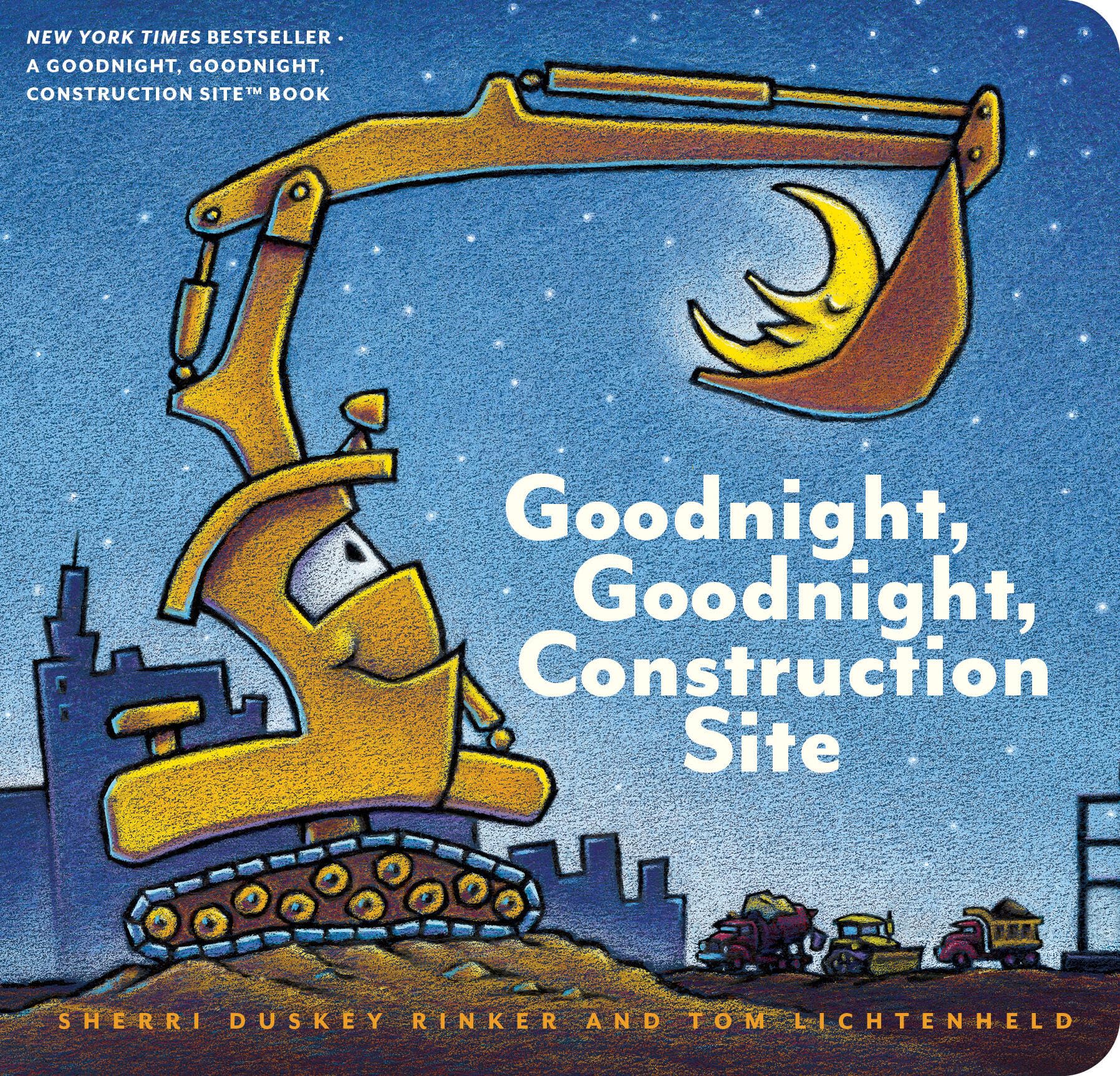
This is the bedtime book in this lineup, and its job is narrow: settle an engine-obsessed mind. Where the gentler love-story option in this set leans on tenderness, Goodnight, Construction Site channels calm into a subject many toddlers already adore. The detailed truck art rewards slow, close looks, so each re-read surfaces something new before little eyes finally close.

It's the right pick for families who already know their child is fixated on dump trucks and bulldozers. If trucks aren't your toddler's thing, the soothing text alone can lose its hold quickly — the book's charm is tied tightly to the construction theme.

Bottom line: For truck-loving toddlers, this earns a permanent bedtime-rotation spot — an easy call for parents building a nightly wind-down ritual.

#3

Where's Spot?

Where's Spot?

Peek-a-boo play

Customer rating 4.8/5
Check Price

Worth Noting

  • Thin flap hinges may tear during eager solo pulls, calling for a guiding hand on rough days.
Text & Rhythm
Short question-answer
Educational Value
Vocabulary, object names
Durability Of Pages
Sturdy pages, thin flaps
Interactive Features
Lift-the-flap pages
Read the full review

Where's Spot? turns reading into a search. Each page sets up one simple question — where is the puppy — and hides the answer under a flap, so a 1-year-old learns to anticipate what lifts next. That question-and-answer rhythm builds vocabulary through repetition more naturally than passive storytelling; the interaction itself carries the lesson.

The strongest fit is a toddler who settles only when hands are busy with the pages. Expect thin flap hinges that may tear under rough solo pulls, so a supervising hand guiding each lift keeps the book rotating through daily reads. It prioritizes lively engagement over the broader learning range of the top pick.

Lift from the hinge edge so the flaps keep revealing through daily peek-a-boo reads.

Bottom line: Best for the toddler who needs to touch every page — the flap chase does the teaching, and a guiding hand keeps it going.

#4

Chicka Chicka Boom Boom

Chicka Chicka Boom Boom

Alphabet practice

Customer rating 4.9/5
Check Price

Worth Noting

  • Fast, dense pacing can race past the youngest 1-year-olds before the alphabet registers
Text & Rhythm
Catchy rhythmic chant
Educational Value
Alphabet, early phonics
Durability Of Pages
Thick board pages
Interactive Features
None
Read the full review

The alphabet arrives as a musical chant here — bouncy, rhyming lines that toddlers memorize and join in on before they can name the letters. The quick cadence and repeated sounds make each read feel like a tune rather than a lesson, which keeps the page turns coming.

This lands best for toddlers on the cusp of age two, when letter recognition starts to stick, and the fast, dense pacing rewards families who revisit it on repeat reads. It is a lively phonics pick over a calm wind-down book, and a separate title in the lineup owns color and animal themes.

Bottom line: For families ready to lean into letter sounds, the chant turns daily alphabet practice into play.

#5

Wonderful Things You Will Be

Wonderful Things You Will Be

Emotional growth

Customer rating 4.9/5
Check Price

Worth Noting

  • Premium price sits above budget board books, though discounts appear regularly
  • Pure sentiment with no early-learning content - a poor fit when teaching goals drive the purchase
Text & Rhythm
Affirming lyrical prose
Educational Value
Self-esteem, love
Durability Of Pages
Heavy oversized pages
Interactive Features
None
Read the full review

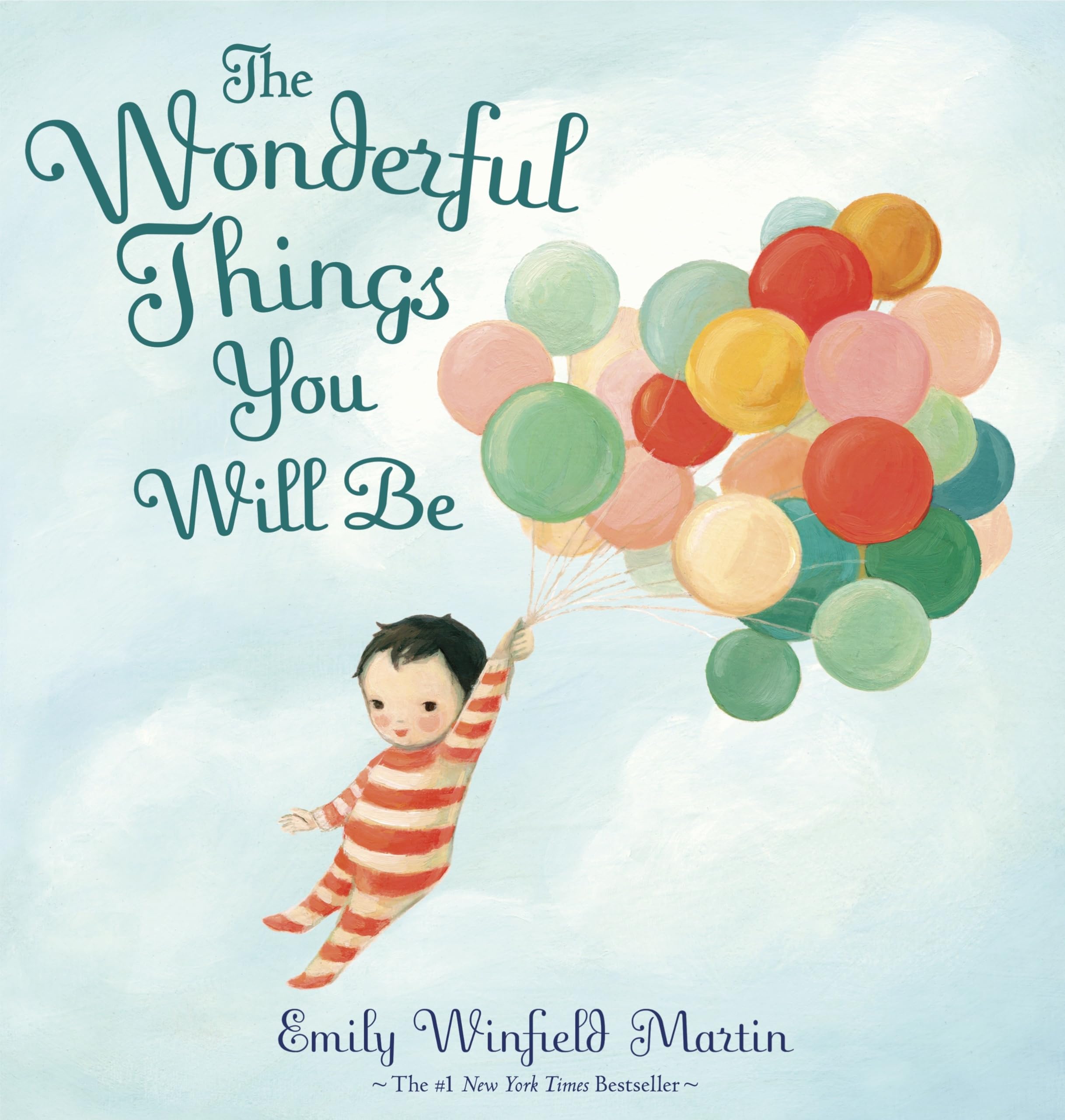
Whimsical, celebrated illustrations carry affirming prose about unconditional love and future possibility, making this the strongest emotional-literacy read of the set. It prioritizes keepsake warmth over any teaching agenda, which is exactly what separates it from the counting and phonics titles.

Best for baby showers and new-parent gifting, where the sentimental weight matters more than teaching goals for families who read for feeling. The oversized 10.3-inch pages run heavy for a toddler to manage solo, so this one reads best lap-style with an adult turning pages.

Bottom line: A keepsake that lands the emotional moment in a family library built for warmth rather than early-learning targets.

#6

Moo, Baa, La La La!

Moo, Baa, La La La!

Animal sounds

Customer rating 4.8/5
Check Price

Worth Noting

  • Small 5-inch pages read best up close on one lap; in a group setting, toddlers farther away miss the art.
Text & Rhythm
Short silly repeated
Educational Value
Animal sounds
Durability Of Pages
Lightweight compact pages
Interactive Features
None
Read the full review

The cheapest route to first animal sounds: each page delivers a silly, repeatable chant that gets a one-year-old vocalizing instead of just listening. The text is easy to memorize, so within a few reads a child starts filling in words — the kind of early participation that builds speech confidence.

Best for on-the-go families — the 5-inch trim slides into a diaper bag, and the brief length finishes before a toddler's attention wanders. Scope covers only animal sounds, so a parent after a fuller story pairs it with a second book.

Bottom line: The cheapest, lightest route to first animal sounds, with a chant a toddler learns by heart — built for one-on-one diaper-bag reads rather than group storytime.

#7

Brown Bear

Brown Bear

Colors & animals

Customer rating 4.9/5
Check Price

Worth Noting

  • Compact page size delivers less visual punch from across the room.
Text & Rhythm
Repetitive singsong chant
Educational Value
Colors, animals
Durability Of Pages
Sturdy standard pages
Interactive Features
None
Read the full review

Brown Bear turns color and animal recognition into a rhythmic chant toddlers memorize within weeks, and the bright, bold illustrations keep attention story after story. Its scope stops at colors and animals, though — no counting or sequencing to stretch early learning — and the compact 4.95-inch size reads best up close rather than from across the room.

Bottom line: The right first color-and-animal primer for budget-conscious families — just settle in close on the couch, not a presentation piece for group read-alouds.

#8

Giraffes Can't Dance

Giraffes Can't Dance

Dance & empathy

Customer rating 4.8/5
Check Price

Worth Noting

  • Oversized 12-by-10-inch format doesn't fit a diaper bag
Text & Rhythm
Rhyming longer text
Educational Value
Empathy, self-belief
Durability Of Pages
Oversized sturdy pages
Interactive Features
None
Read the full review

Giraffes Can't Dance delivers a standout message about confidence and being different, and Gerald's vibrant dance-floor scenes hold a one-year-old's attention while the rhyming text reads smoothly aloud. The narrative runs longer and more abstract than typical one-year-old board-book fare, so the self-belief theme lands fully closer to age three.

Bottom line: Best for the toddler who loves dance and animals and benefits from a confidence-boosting story — for a one-year-old, wait until the child grows into the longer text.

#9

The Pout-Pout Fish

The Pout-Pout Fish

Emotions & humor

Customer rating 4.8/5
Check Price

Worth Noting

  • A feelings-first story rather than a learning primer
Text & Rhythm
Humorous rhyming text
Educational Value
Emotions, empathy
Durability Of Pages
Sturdy board pages
Interactive Features
None
Read the full review

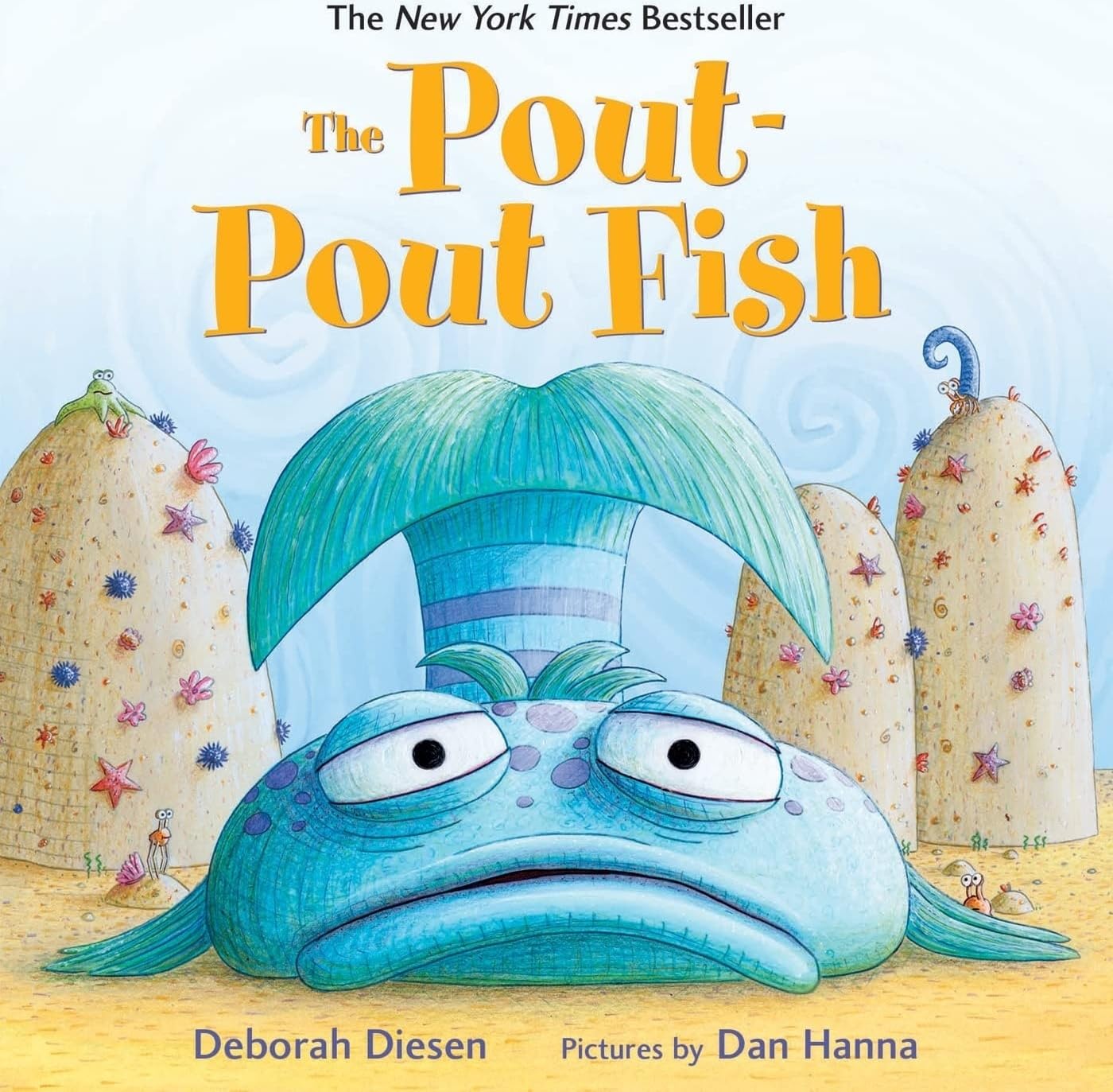
Bouncy rhyming text and bright ocean art make talking about feelings feel like a high-energy game, not a lesson. The emotional message can read as abstract for a 1-year-old still building social understanding, resonating more around age 2-3. As a giggles-first bedtime story with a gentle feelings side-note, it fits sea-creature-loving toddlers.

Bottom line: For a sea-creature-loving toddler, it lands as a playful bedtime giggle when read with plenty of dramatic energy.

#10

Grumpy Monkey

Grumpy Monkey

Tough-day comfort

Customer rating 4.8/5
Check Price

Worth Noting

  • At one year old, the emotional message can exceed a child's grasp
Text & Rhythm
Conversational humorous tone
Educational Value
Emotional acceptance
Durability Of Pages
Sturdy large pages
Interactive Features
None
Read the full review

Grumpy Monkey normalizes grumpy days with humor, validating a bad mood instead of fixing it. Expressive, funny illustrations and a light read-aloud tone make the message easy to deliver. The stated reading age is 2-5, so a 1-year-old will enjoy the pictures but miss the emotional nuance — it lands best closer to age two.

Bottom line: Choose this when a toddler is having bad days and needs feelings named out loud — just wait until the child can follow the humor, closer to age two.

#11

The Snowy Day

The Snowy Day

Winter wonder

Customer rating 4.9/5
Check Price

Worth Noting

  • Lacks flaps, sounds, and tactile features
Text & Rhythm
Simple poetic text
Educational Value
Seasons, wonder
Durability Of Pages
Classic sturdy build
Interactive Features
None
Read the full review

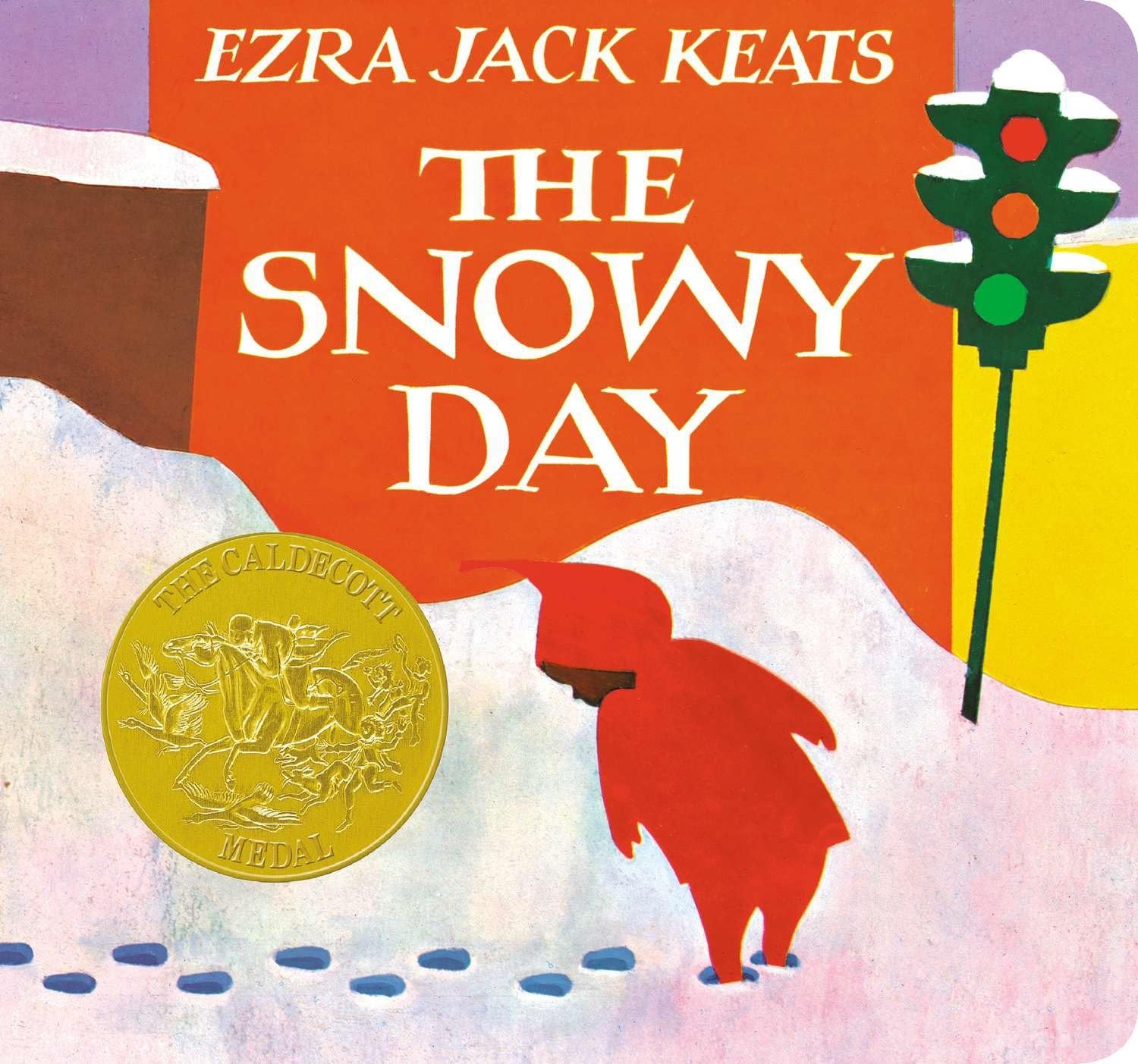
This Caldecott-winning classic pairs a quiet winter story with collage art that carries real cultural significance — a meaningful addition to any shelf. The style reads gentler than bold primary-color board books, so a 1-year-old used to flashy covers may take longer to warm to it. Families wanting a diversity-inclusive bedrock title will find the warmth endures.

Bottom line: Choose this when building a culturally significant library or introducing winter play — its enduring charm suits patient story-time families.

#12

Dear Zoo

Dear Zoo

Animal flaps

Customer rating 4.8/5
Check Price

Worth Noting

  • Flap hinges can tear under a toddler's forceful pull during solo page-turning
Text & Rhythm
Simple repetitive text
Educational Value
Animal names, sounds
Durability Of Pages
Sturdy pages, flaps
Interactive Features
Lift-the-flap pages
Read the full review

The lift-the-flap hinges on this animal-reveal classic withstand toddler handling better than the iconic Where's Spot?, and the 18-page format keeps sessions short. The repeat question-and-answer format frames animal names and sounds as a game. It lacks the singular peek-a-boo fame of its rival, so it reads as the sturdy sidekick. Flap hinges can still tear during vigorous solo handling.

Bottom line: Best for parents who want a sturdy, repeatable flap-book intro to animals — provided occasional hinge tape-ups are accepted.

#13

Around the Farm Sound Book

Around the Farm Sound Book

Sound discovery

Customer rating 4.8/5
Check Price

Worth Noting

  • Buttons need firm, precise presses and may lose responsiveness over time, so adult help suits solo play.
Text & Rhythm
Minimal labeled text
Educational Value
Animal names, sounds
Durability Of Pages
Rigid board construction
Interactive Features
30 sound buttons
Read the full review

Thirty realistic animal noises keep sound-loving toddlers absorbed, and the big Eric Carle artwork is easy to point at. The premium-priced sensory experience is unmatched for noisy play, but buttons need firm, precise presses and may lose responsiveness, which makes supervised use the better fit.

Bottom line: Best as a supervised sensory treat for a sound-loving toddler; skip it if you want a quiet, reliable everyday read.

#14

I Love You Like No Otter

I Love You Like No Otter

Playful gifting

Customer rating 4.9/5
Check Price

Worth Noting

  • Puns go over a 1-year-old's head; the payoff is the shared read-aloud, not toddler comprehension
Text & Rhythm
Punny playful rhymes
Educational Value
Love, wordplay
Durability Of Pages
Thick glossy pages
Interactive Features
None
Read the full review

The rhymes land as a warm, silly read-aloud, and the otter illustrations are detailed enough to reward repeat looks. The humor plays to the adult in the room — a 1-year-old won't catch the puns, so the payoff is the shared moment rather than comprehension. It teaches no concept.

Bottom line: Best for the gifting auntie or animal-loving family wanting a light, affectionate read-aloud — expect the humor to hit you, not the baby, and skip it if concept-learning is the goal.

#15

I Love You to the Moon

I Love You to the Moon

Bedtime bonding

Customer rating 4.9/5
Check Price

Worth Noting

  • No alphabet, counting, or sound practice
Text & Rhythm
Tender rhythmic text
Educational Value
Love, bonding
Durability Of Pages
High-quality board pages
Interactive Features
None
Read the full review

This tender love story pairs warm, gentle illustrations with a simple 'I love you' message that makes it a natural gift keepsake. The sturdy board format holds up to repeated reading with a parent. It teaches no concept, though — pure sentiment rather than early learning, so families focused on teaching will want something more.

Bottom line: Pick it when the goal is a keepsake or a warm shared read; skip it when early-learning value matters. It lands best as a shower or first-birthday gift.

How to Choose

Sturdiness and Construction

Board pages are compressed paperboard glued into a solid card, so the pages themselves are hard to tear. The weak points are the binding and any fold, which is why lift-the-flap books fail at the hinge long before the page wears out.

Thicker pages mean a heavier book, trading off against how easily small hands lift and turn them. A large-format book like The Wonderful Things You Will Be is gorgeous but heavy, so it reads best lap-style.

Illustration Quality

Bold shapes and high-contrast color hold a 1-year-old's attention because they are easiest for developing eyes to parse. Large, simple objects per page also support word-to-image matching better than busy spreads.

Muted or artistic styles like The Snowy Day are beautiful, but a toddler often skips them for Brown Bear's vivid primary colors. Save quiet art for lap reads.

Text and Rhythm

Repetition is how 1-year-olds acquire language; a repeated phrase becomes a pattern they can predict. Rhythmic, singsong text like Brown Bear's chant gives them a foothold plain descriptive prose cannot.

Longer lyrical stories like Giraffes Can't Dance charm at 2 or 3 but lose a 1-year-old halfway through. Aim for text you finish in a minute and that lets your child fill in the repeated word.

Interactive Features

Flaps and sound buttons turn reading into a physical activity that builds fine-motor control. But they are where board books fail first: flap hinges are thin, scored paperboard that fatigues with each fold, and sound buttons need precise pressure small fingers miss.

That is a use-case boundary, not a flaw. A lift-the-flap book read with a parent is high-value; the same book handed over for solo play becomes a repair project. A solid-paged classic outlasts any interactive feature.

Educational Value

At one, the most effective books teach one concept per page — one color, animal, or number — not a multi-idea plot. That is why The Very Hungry Caterpillar works: counting, days, and food each appear one at a time.

Choose the book whose single idea matches what your child is currently learning; a lesson buried in a plot gets lost at this age.

Frequently Asked Questions