Notebooks & Paper Product Guide

11 Best Spelling Notebook of 2026: Which Survive a School Year

Find K-2 spelling notebooks that actually last — correct primary ruling, real sheet counts, and sewn binding for daily use.

11 Best Spelling Notebook of 2026: Which Survive a School Year editorial illustration

Most spelling notebooks claim more than they deliver. The packaging shows a thick-looking pad, but the paper inside is often thin enough to ghost with a pencil and tear by October. Sheet counts get buried in fine print, and spiral bindings shed pages in a backpack within weeks.

For K-2 students, the stakes are higher than paper quality. Primary ruling with a dotted midline is a genuine teaching tool — it guides letter sizing and spacing for kids who are still forming letters. Wide or college rule without that midline works for older students but leaves young writers guessing where to place their lowercase letters.

The durable picks here pair sewn bindings with the right ruling type and verify that the sheet count actually covers a school year. A spelling notebook that falls apart by Thanksgiving isn't a deal — it's a re-purchase.

#1

Mead Primary Composition 4-Pack

Mead Primary Composition 4-Pack

K-2 daily practice

Customer rating 4.8/5
Check Price

Worth Noting

  • Plain covers offer little visual appeal for kids who prefer colorful designs
  • Pages can tear under rough daily handling by very young children
Sheets
100 per book
Binding
Sewn
Pack Size
4
Ruling Type
Primary, dotted midline
Read the full review

The dotted-midline primary ruling gives young writers a clear visual target for letter height, while the sewn binding keeps all 100 sheets anchored through a full school year of daily spelling practice. It's the pure spelling-workbook form — no drawing space, no story prompts — just large, clearly spaced lines sized for a K-2 hand. The four-book pack spreads the cost across homework, classroom, and backup copies.

Durability is where this composition book stands apart. The cover and sewn binding stay intact through a semester of daily use, with pages firmly in place — a gap cheaper pads leave open. At 7.5 by 9.75 inches, it fits comfortably in a backpack or on a small desk. Paper is standard composition weight, taking pencil and occasional pen without trouble.

This suits parents of K-2 students wanting a dependable daily spelling notebook, teachers stocking an early-elementary classroom, and homeschool families covering several children. For a child moving from tracing to independent spelling, the consistent line spacing removes one more variable from each practice session. Students past the dotted-midline stage will want wide or college ruling instead.

Bottom line: The four-pack carries a K-2 student through a full year of spelling homework with clear primary ruling and a binding that holds up to daily use. It's the notebook to hand a beginning writer.

#2

Mead Primary Journal Story Tablet

Mead Primary Journal Story Tablet

Writing + illustration

Customer rating 4.8/5
Check Price

Worth Noting

  • Paper thickness can vary between copies, with some pages thin and prone to corner-curl under heavy use.
Sheets
100 per book
Binding
Sewn
Pack Size
1
Ruling Type
Primary dotted
Read the full review

The Mead Primary Journal separates itself from the top pick by splitting every page — primary-ruled lines on top, a blank box below for illustrating the spelling word or a sentence. That visual layer keeps kindergartners and first-graders engaged with practice, and the sewn 100-sheet construction carries through the school year.

This suits teachers assigning picture-plus-caption journals and parents who want writing practice mixed with creative expression. The tradeoff is in the paper: thickness can vary between copies, with some pages running thin and curling at the corners under heavy use — a mild compromise when the drawing space keeps a young writer motivated.

Bottom line: Pick this over the top pick when a drawing space will keep a young speller engaged — the occasional thin page matters less than the motivational payoff of illustrating each word.

#3

Oxford Primary Composition 4-Pack

Oxford Primary Composition 4-Pack

Budget primary practice

Customer rating 4.8/5
Check Price

Worth Noting

  • Per-book cost can feel steeper than comparable multi-packs, so value varies by buyer
Sheets
100 per book
Binding
Sewn
Pack Size
4
Ruling Type
Primary, color-coded
Read the full review

The blue top line and red baseline give young writers a second cue for where letters sit, on top of the dotted midline — a nudge plain composition books skip. Full-size 9.75 x 7.5 in pages with a clear top half keep early spellers engaged during drills, and the playful animal covers appeal to K-2 learners.

Best for budget-conscious parents and teachers of K-2 spellers who want the color-coded guidance for letter formation. Per-book pricing can feel steeper than multi-pack alternatives with similar ruling, so value perception varies by buyer.

Bottom line: If the color-coded letter-placement cue matters more than plain covers, this pack delivers it at a budget price.

#4

Oxford Jr. Composition 6-Pack

Oxford Jr. Composition 6-Pack

Travel and small hands

Customer rating 4.8/5
Check Price

Worth Noting

  • Thin pages may show through when writing with heavier pens or markers
Sheets
80 per book
Binding
Sewn
Pack Size
6
Ruling Type
Wide
Read the full review

Six sturdy half-size notebooks fit in a backpack pocket or car seat organizer, and the sewn binding holds up to daily travel. The compact 4.875 x 7.5-inch format suits small hands, making quick spelling drills easy in the car, at the kitchen table, or in waiting rooms.

Best for students who want a portable spelling pad and teachers building a compact classroom journal collection. The wide ruling gives generous line spacing but omits the dotted midline that guides K-2 letter formation, so early spellers still learning letter shapes do better with a full-size primary-ruled book.

Bottom line: For students who want a grab-and-go spelling pad, this six-pack delivers portability and value where full-size books tend to stay home.

#5

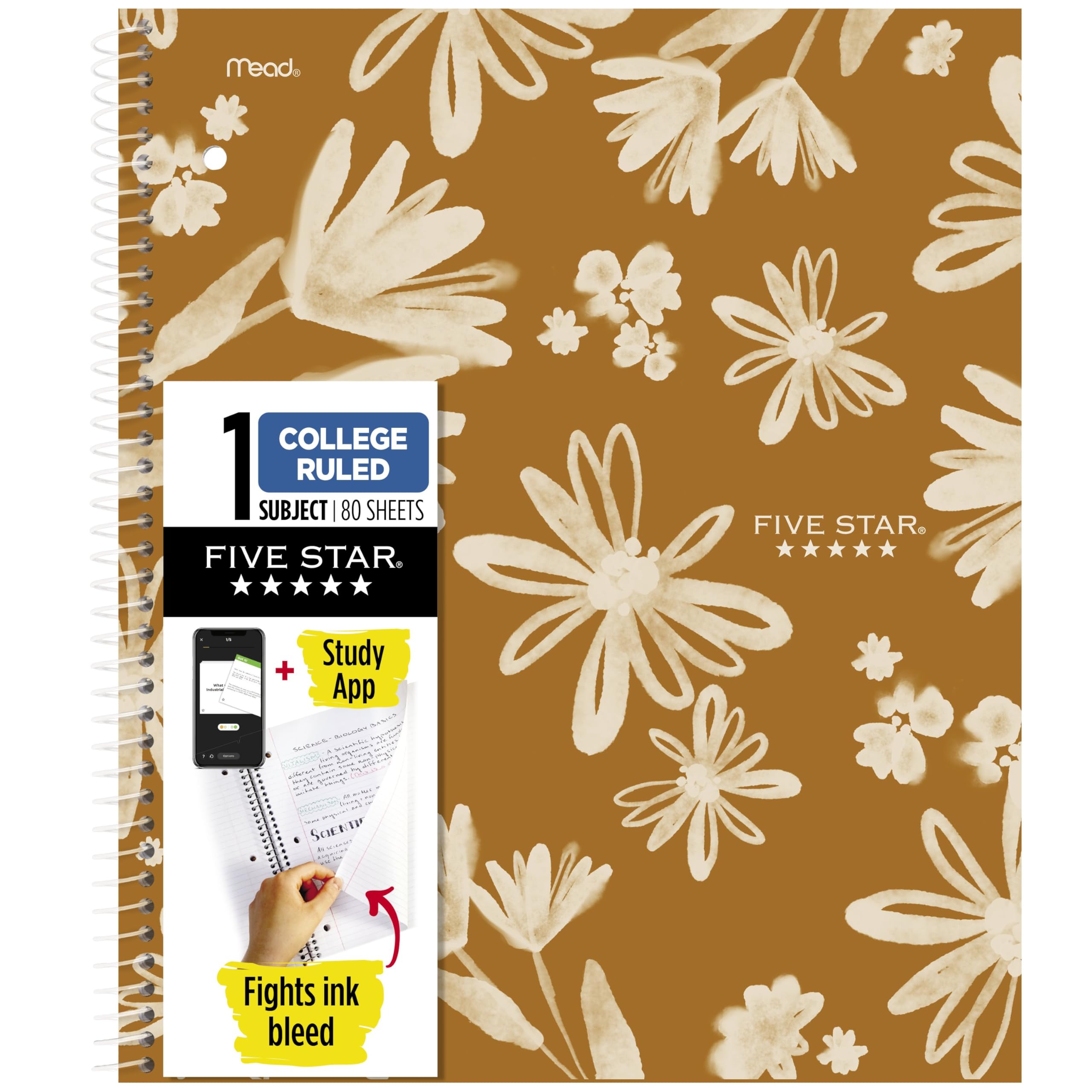
Five Star Spiral Notebook

Five Star Spiral Notebook

Middle school and up

Customer rating 4.7/5
Check Price

Worth Noting

  • With heavy felt-tip pens, ink can bleed through pages despite the 'fights ink bleed' label.
Sheets
80 per book
Binding
Spiral
Pack Size
1
Ruling Type
College
Read the full review

The Five Star Study App scans handwritten notes into digital text and builds flashcards for spelling or vocabulary review, so each session becomes something you can quiz yourself on later. The spiral binding lays flat, the 8.5x11 page gives older students room for full-size class notes, and the paper holds up through a full semester of daily use.

This suits middle school through college students taking class notes — not young spellers, since the college ruling lacks the primary lines K-2 kids need. Despite the 'fights ink bleed' label, heavier felt-tip pens can bleed through, so it's a better match for ballpoint users.

Write with a ballpoint or pencil to keep pages clean.

Bottom line: For older students who want handwriting to become quiz-ready flashcards, this spiral handles the job — a step beyond a plain notebook.

#6

Pet Partisan A5 Kraft 50-Pack

Pet Partisan A5 Kraft 50-Pack

Classroom bulk purchase

Customer rating 4.8/5
Check Price

Worth Noting

  • Each book's 34 sheets are a small count for daily spelling practice, so restocking comes sooner
Sheets
34 per book
Binding
Glued
Pack Size
50
Ruling Type
College
Read the full review

No other notebook in this set delivers a full 50-pack on 100gsm paper that resists ink bleed-through at a per-book price that undercuts smaller multi-packs, making it the practical choice for classrooms that cycle through journals quickly. It holds ink well under pens that would ghost through the primary-ruled packs aimed at younger spellers.

Teachers stocking an entire class or a homeschool co-op journal drawer will find genuine value, as long as students write comfortably on college-ruled lines. That ruling offers no dotted midline to guide K-2 letter formation, and each book holds only 34 sheets, so it suits older writers rather than early spellers.

Bottom line: For the teacher or a co-op stocking a class on a budget, this pack pairs sturdy paper with real per-unit savings — just confirm students write comfortably on college-ruled lines.

#7

AILZFEI College-Ruled Note Pads

AILZFEI College-Ruled Note Pads

Quick spelling lists

Customer rating 4.6/5
Check Price

Worth Noting

  • In a backpack, the cardboard backing can bend and tear, so these suit desk-side use over heavy travel.
Sheets
30 per pad
Binding
Glued
Pack Size
5
Ruling Type
College
Read the full review

Five compact 5x8 pads in kid-friendly colors keep quick spelling drills engaging, and the small size tucks into a backpack for on-the-go list practice. The paper runs thin and each pad holds only 30 sheets, so sustained daily use goes through them fast — a scratch-pad option, not a school-year notebook.

Bottom line: For parents stocking a cheap stash of spare pads for light spelling lists and reminders, the cheerful colors and small carry make this a fitting stopgap — just not a daily-drill workhorse.

#8

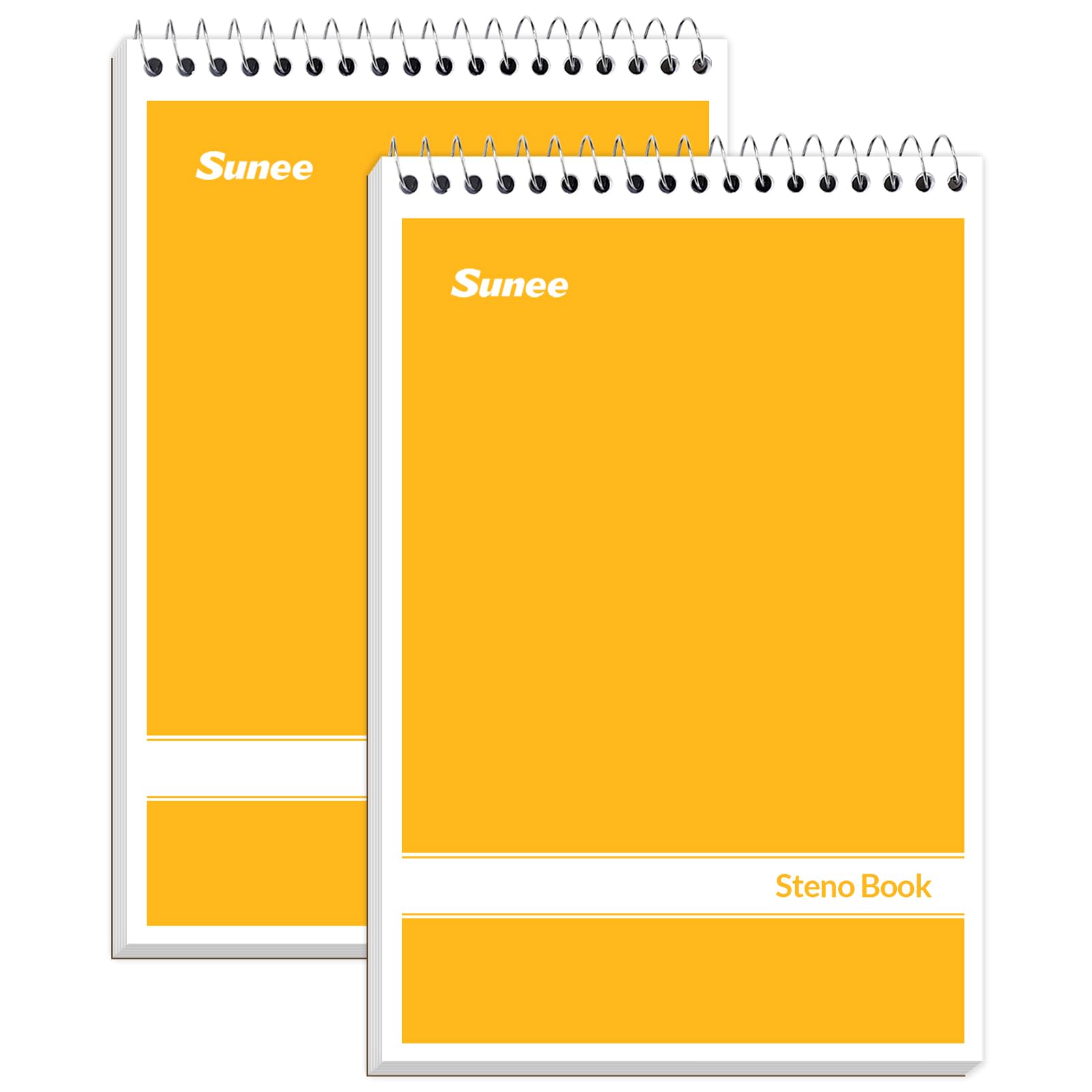
SUNEE Steno Pads 2-Pack

SUNEE Steno Pads 2-Pack

Left-handed note-taking

Customer rating 4.7/5
Check Price

Worth Noting

  • In fast notes with a heavy pen, thin sheets can show bleed-through
Sheets
60 per pad
Binding
Top spiral
Pack Size
2
Ruling Type
Gregg rule
Read the full review

The top spiral lays flat without wrist strain, a real plus for left-handed note-takers moving quickly between meetings or lectures. But Gregg ruling is a shorthand format, giving young spellers little room to shape letters. This serves older students or fast office notes, not K-2 spelling practice.

Bottom line: Pick this up for a left-handed writer or a fast office note-taker — for spelling words it fits older students copying lists, not early letter formation.

#9

Roaring Spring Composition Book

Roaring Spring Composition Book

Structured penmanship

Customer rating 4.4/5
Check Price

Worth Noting

  • As a single purchase, the cost per notebook runs above comparable multi-packs with the same ruling.
Sheets
50 per book
Binding
Sewn
Pack Size
1
Ruling Type
Grade 3 skip-line
Read the full review

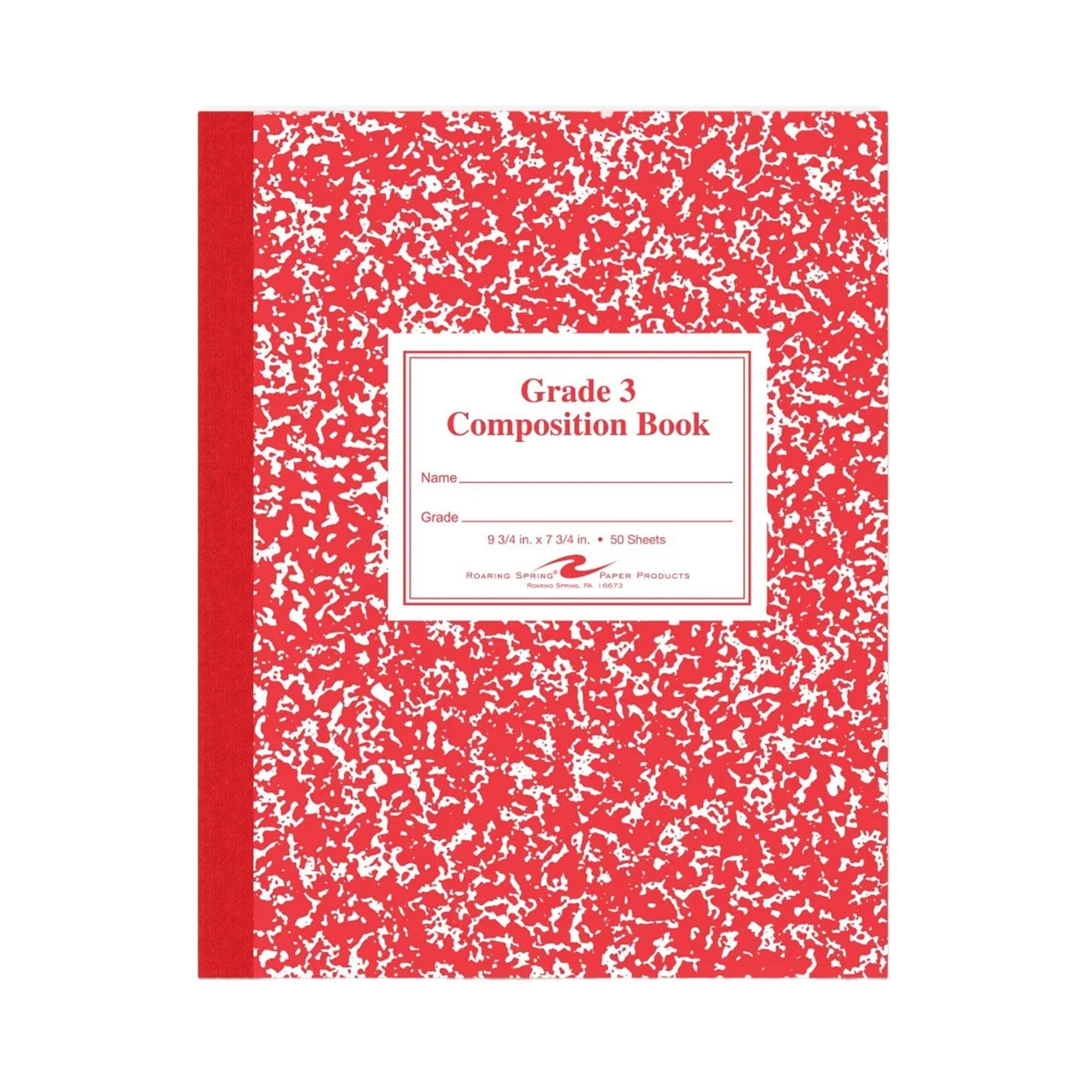
Made in the USA with Grade 3 skip-line ruling, this single composition book brings midline guidance that keeps letter sizing on track for structured penmanship programs. The catch is value: priced as one book, multi-packs of comparable ruled notebooks deliver more sheets for the money.

Bottom line: Choose this for a Writing Road to Reading household that values USA-made midline ruling over multi-pack savings.

#10

Henoyso Primary Journal 12-Pack

Henoyso Primary Journal 12-Pack
Customer rating 4.4/5
Check Price

Worth Noting

  • In daily classroom handling, cardstock covers can come away from the pages
Read the full review

A dozen primary-ruled journals in colorful covers at a budget price, sized for classrooms that cycle through notebooks quickly. The half-lined, half-blank ruling fits early spelling practice, and color-coded covers keep each student's book easy to spot. Cardstock covers can pull away from pages after weeks of daily classroom handling, so this suits high-turnover use over a school year.

Bottom line: Best for classrooms and homeschools that move through notebooks quickly and don't need one book to survive the full year.

#11

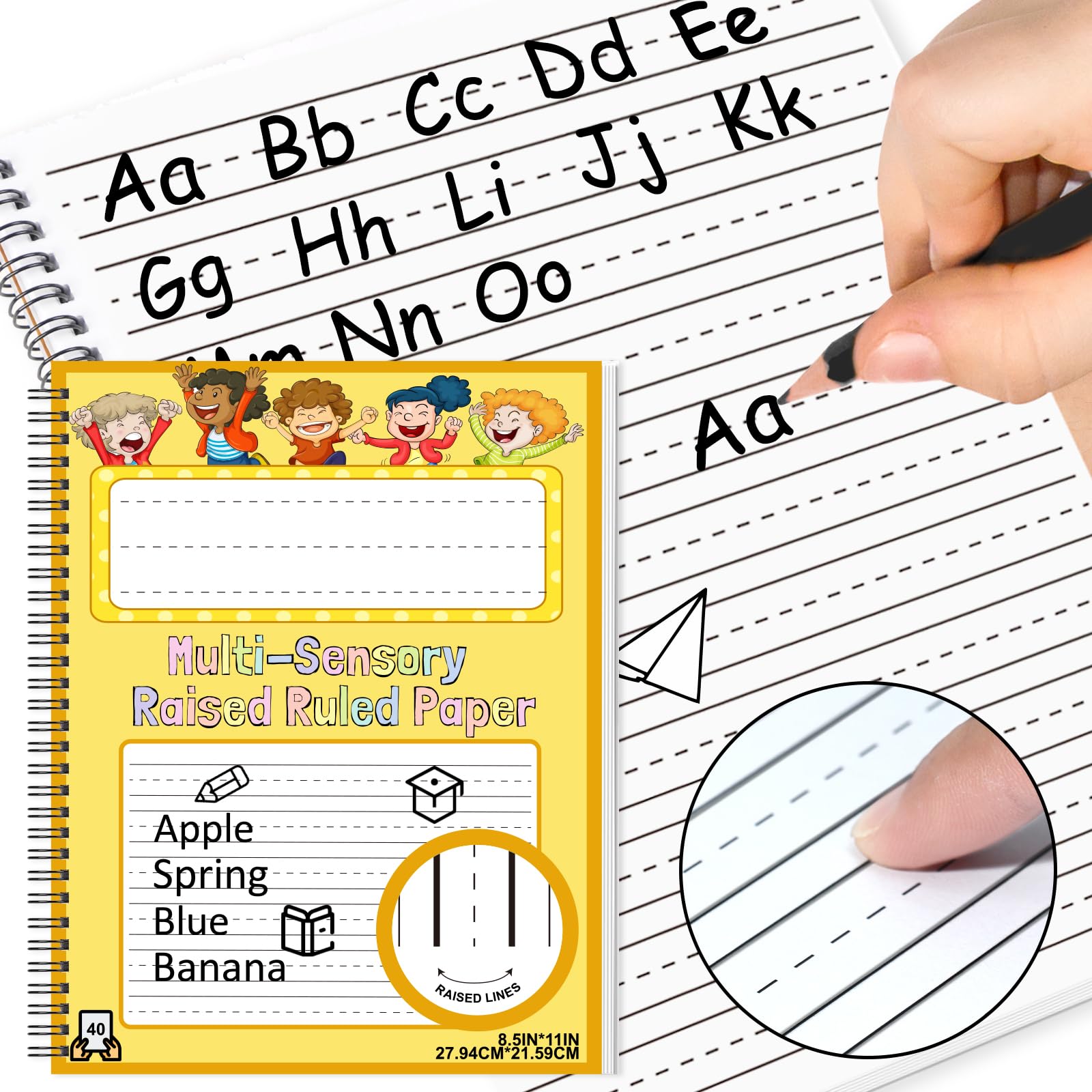
DOSTATNI Raised-Rule Notebook

DOSTATNI Raised-Rule Notebook

Dysgraphia support

Customer rating 4.5/5
Check Price

Worth Noting

  • The reverse side of each sheet carries no raised guide, so the tactile cue is absent on the back of every page.
Sheets
—
Binding
Spiral
Pack Size
1
Ruling Type
Raised wide rule
Read the full review

Raised tactile lines give kids with dysgraphia or low vision the letter-placement feedback flat ruling can't, on paper that handles repeated erasing. The raised guide sits on only one side of each sheet — the back is standard wide rule, better for short drills than a full school year. This is a targeted OT tool, not a general classroom notebook.

Bottom line: A worthwhile addition to an OT writing toolkit when a tactile landmark for short, guided spelling drills is the goal.

How to Choose

Ruling Type Determines Writing Success

Primary ruling with a dotted midline teaches letter sizing and placement. The dotted line gives a clear visual target for lowercase letters like 'a' and 'c,' while the top and bottom lines frame the full letter height. Kids who practice on plain wide rule often develop inconsistent letter sizes because nothing marks where the middle of the line should be.

Wide rule works once a child consistently places letters without the dotted guide, typically around third grade. College rule is for older students and adults — the narrow spacing provides more lines per page but leaves no room for handwriting instruction. For daily spelling practice in grades K-2, choose primary ruled.

Sheet Count Must Cover the School Year

A spelling notebook used 4-5 times per week depletes faster than most parents expect. A 30-sheet pad disappears in about six weeks when a child writes 5-10 words plus sentences each day. Even the 50-sheet books fall short of a full year if the student writes generously.

The practical target is 100 sheets per book. That volume supports two to three words per day plus practice sentences without the parent re-buying mid-year. Multi-packs of 4-6 books stretch further, but always verify the per-book sheet count — some 'deals' offer 30 sheets per pad at the same footprint as 100.

Binding Style Predicts Backpack Survival

Sewn bindings — where pages are stitched into the spine — handle daily backpack wear without shedding pages. The pages stay fixed even when the notebook is opened flat or tossed on a classroom floor. Glued or cardstock-spiral bindings rely on adhesive that weakens with temperature swings and rough handling.

Spiral bindings let pages fold back fully, which benefits left-handed writers, but the wire coils bend and catch on backpack straps. A wire that misses its holes means torn pages. For a notebook that must last the year, sewn construction is the safer default; choose spiral only when flat-lay writing matters more than durability.

Pack Size Matches Usage Frequency

A single composition book rarely covers a full school year of daily spelling work. Teachers often assign one notebook per subject, so a pack of 4-6 ensures one book lasts 2-3 months each. For classrooms, bulk packs of 12-50 provide a full year or a whole cohort without reorders.

Oversized packs (50 notebooks) make sense for teachers stocking multiple classes or co-ops, but for a single child, the per-unit savings don't justify storing 49 unused books. Match the pack to one school year or one classroom roster, not the lowest per-unit price.

Paper Weight Controls Bleed-Through

Thicker paper (90-100 gsm) holds up to marker, gel pen, and heavy erasing without ghosting. Standard 70-80 gsm composition paper takes pencil well but bleeds with ink — a problem for spelling tests or practice that uses colored pens. The distinction matters most when the notebook serves writing practice, not just lists.

Marketing copy frequently claims 'thick paper' or 'no bleed-through' even when the sheet folds easily and ghosts under a felt-tip. Check the spec sheet for GSM weight rather than trusting the cover art. For eraser-heavy K-2 use, a slightly heavier paper prevents torn, smudged pages.

Frequently Asked Questions