Books & Reading Product Guide

10 Best Letter Tiles for Reading 2026: Sets That Build Real Words

Which letter tiles actually support phonics word-building, with lowercase-first letters and grapheme depth, not just alphabet recognition.

10 Best Letter Tiles for Reading 2026: Sets That Build Real Words editorial illustration

Letter tile listings all look similar, but kits split into two different tools. Many sets marketed as phonics tools are really just movable alphabets, one or two copies of each letter, uppercase-heavy, with nothing beyond single letters. Kids hit a wall the moment a word needs a second 'e' or 't.'

Letter case and per-letter inventory matter more than total piece count. Early readers decode lowercase print almost exclusively, yet several popular kits ship uppercase-only tiles, forcing children to translate every word into a case they rarely see. A focused lowercase set with letter multiples teaches more than a bigger uppercase kit.

Match the set to the reading stage: toddlers need letter names and sounds, while emerging readers need digraphs, vowel teams, and enough letters to manipulate real words. Buying for the wrong phase is the most common reason a well-rated kit ends up unused.

#1

Gamenote Magnetic Letters Kit

Gamenote Magnetic Letters Kit

Pre-K/K home practice

Customer rating 4.8/5
Check Price

Worth Noting

  • Magnet grip varies between individual tiles
Age Range
Pre-K to K
Phonics Scope
Plain alphabet
Letter Inventory
234 letters, lowercase-heavy
Included Workspace
Double-sided board, case
Read the full review

Two hundred thirty-four magnetic letters split between 182 lowercase and 52 uppercase give the kit a depth that basic ABC sets lack, so kids build real words, sight words, and short sentences with multiples of every letter. The soft EVA foam tiles with full-cover magnets hold firmly on the included double-sided magnetic writing board or a fridge door, and the slot-in storage case keeps every letter organized between lessons. At a mid-range price, it arrives complete and ready for daily word-work at school or at home.

This kit suits pre-K and kindergarten teachers building word-work centers and homeschooling families who want a single complete set for name practice, sight words, and early writing. Magnet grip varies between individual tiles, so an occasional letter may need a firmer press to stay put on the board or fridge. Families who want structured phonics cards and lesson guidance should pair this with a dedicated CVC kit, and the small pieces warrant supervision with children under three.

Bottom line: For pre-K and kindergarten word-work, this is the complete everyday kit — lowercase-heavy inventory, included magnetic board, and a price that fits classroom and home budgets alike.

#2

Coogam Wooden CVC Set

Coogam Wooden CVC Set

Wooden CVC practice

Customer rating 4.7/5
Check Price

Worth Noting

  • Capped at 58 blocks, the set suits structured CVC drills rather than open-ended spelling with free letter choices
Age Range
Ages 4-6
Phonics Scope
CVC words only
Letter Inventory
58 lowercase wood blocks
Included Workspace
5 letter trays, bag
Read the full review

Sustainable linden-wood lowercase blocks, 50 picture cards, and five letter trays make this the most tactile CVC kit for word-building practice. The wooden tiles are smooth-edged and satisfying to handle, and the trays keep letters organized so a guided session flows without sorting delays.

Pre-K and kindergarten teachers running small-group blending drills are the natural fit — swapping beginning and ending sounds across the 50 CVC words is exactly the decoding work early readers need. Small wooden pieces mean young toddlers need supervision, which is why this suits classroom settings and older preschoolers best.

Bottom line: A dependable budget pick for parents and teachers who want guided CVC sessions with organized trays and tactile wooden tiles.

#3

hand2mind Small-Group Word Work

hand2mind Small-Group Word Work

Classroom small groups

Customer rating 4.9/5
Check Price

Worth Noting

  • Premium price and large footprint go beyond what single-child households need
Age Range
K-2 small groups
Phonics Scope
Digraphs, vowel teams, hearts
Letter Inventory
672 grapheme tiles
Included Workspace
6 trays, 30 mats
Read the full review

The most phonics-complete set in this lineup carries 672 color-coded grapheme tiles across six parallel sets, covering consonants, vowels, heart words, and blanks. Paired with 30 double-sided activity mats and six magnetic dry-erase trays, it forms a full word-work center rather than a box of letters. Teachers running Science-of-Reading small groups place it at the core of independent practice.

Built for teachers and tutors working with organized small groups, where grapheme depth and built-in storage count most. Households teaching a single child will find the full footprint more than needed — a lightweight lowercase magnetic kit handles basic letter work for far less.

Bottom line: For teachers running structured small-group word work, this is the phonics-complete solution the rest of the lineup only approaches. It delivers genuine Science-of-Reading depth with none of the gaps found in basic letter sets.

#4

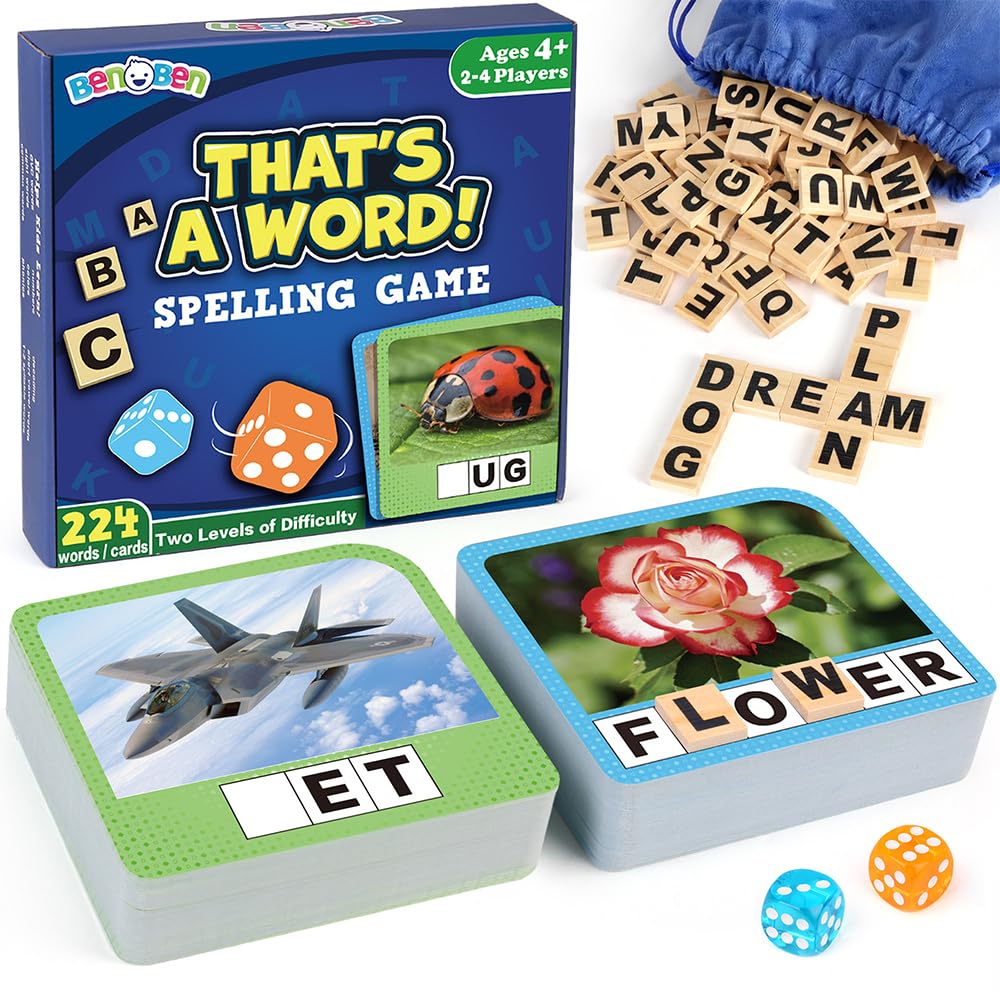
BenBen Spelling Game

BenBen Spelling Game

Family spelling games

Customer rating 4.7/5
Check Price

Worth Noting

  • Uppercase-only tiles can clash with the lowercase print early readers encounter.
Age Range
Ages 5-9
Phonics Scope
Sight words, spelling
Letter Inventory
8 full A-Z sets
Included Workspace
Cards and dice
Read the full review

BenBen is the only game-engineered spelling set in this guide — 208 wooden tiles across eight complete A–Z sets plus 224 double-sided flashcards spanning four difficulty levels. The dice-driven format supports one to four players, so spelling practice reads as family game night rather than seat work, keeping a group engaged for multiple rounds.

That suits siblings or small groups working on sight words and decoding, where the four card tiers let older players handle harder words while younger ones start simpler. Every tile is uppercase, which can clash with the lowercase print early readers meet first — a small hurdle for game-first families, a real one for lowercase-first instruction.

Pair the uppercase tiles with the picture cards — the visual cue bridges the gap to lowercase print for early readers.

Bottom line: Best for families who want spelling to feel like a game — for strict lowercase-first reading practice, the top pick's lowercase inventory fits better.

#5

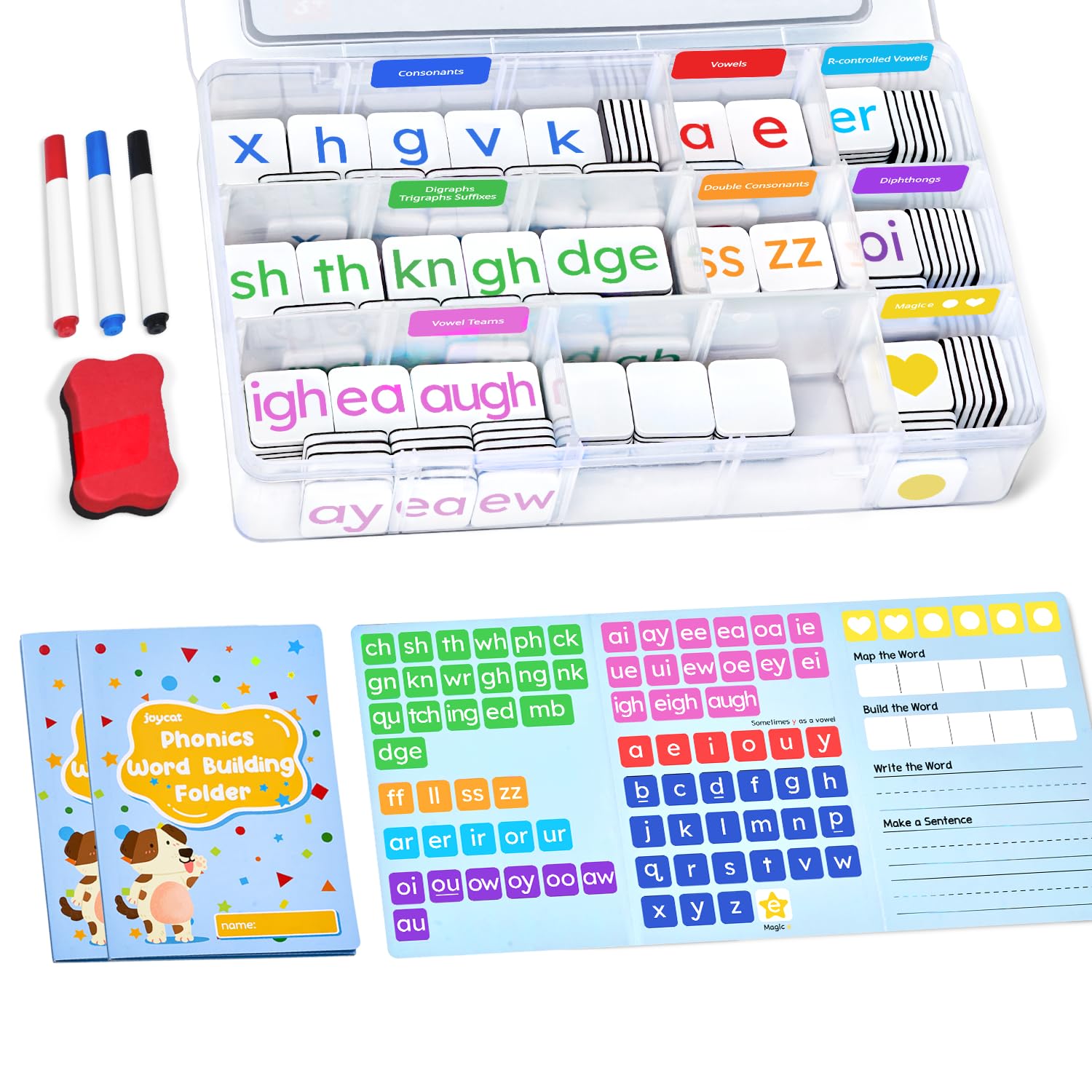
JoyCat Phonics Tile System

JoyCat Phonics Tile System

Homeschool phonics practice

Customer rating 4.6/5
Check Price

Worth Noting

  • Soft EVA foam suits tabletop lessons more than rough or outdoor play.
Age Range
Homeschool K-3
Phonics Scope
Digraphs, vowel teams
Letter Inventory
249 grapheme tiles
Included Workspace
3 word-building folders
Read the full review

JoyCat brings the classroom-grade grapheme depth the simpler home kits skip — 249 color-coded tiles plus 16 blanks sorting phonics into vowels, consonants, and special patterns. Those color prompts carry small-group students into sounding and blending sooner, and strong magnets hold tiles steady on the folders' dry-erase surfaces.

For homeschool parents running differentiated phonics, this beats a plain alphabet set: three folders let several students work different patterns at once and check their work as they go. It's a newer launch, so long-term durability under daily use is less settled than the category's long-standing kit — a fair trade at a mid-tier price.

Have students swap folder stations mid-session so each one gets work on both dry-erase sides.

Bottom line: For a homeschool parent running differentiated phonics, this offers the grapheme depth the home kits lack — at a mid-tier price. It's a guided-lesson tool built around folders, not a free-form board.

#6

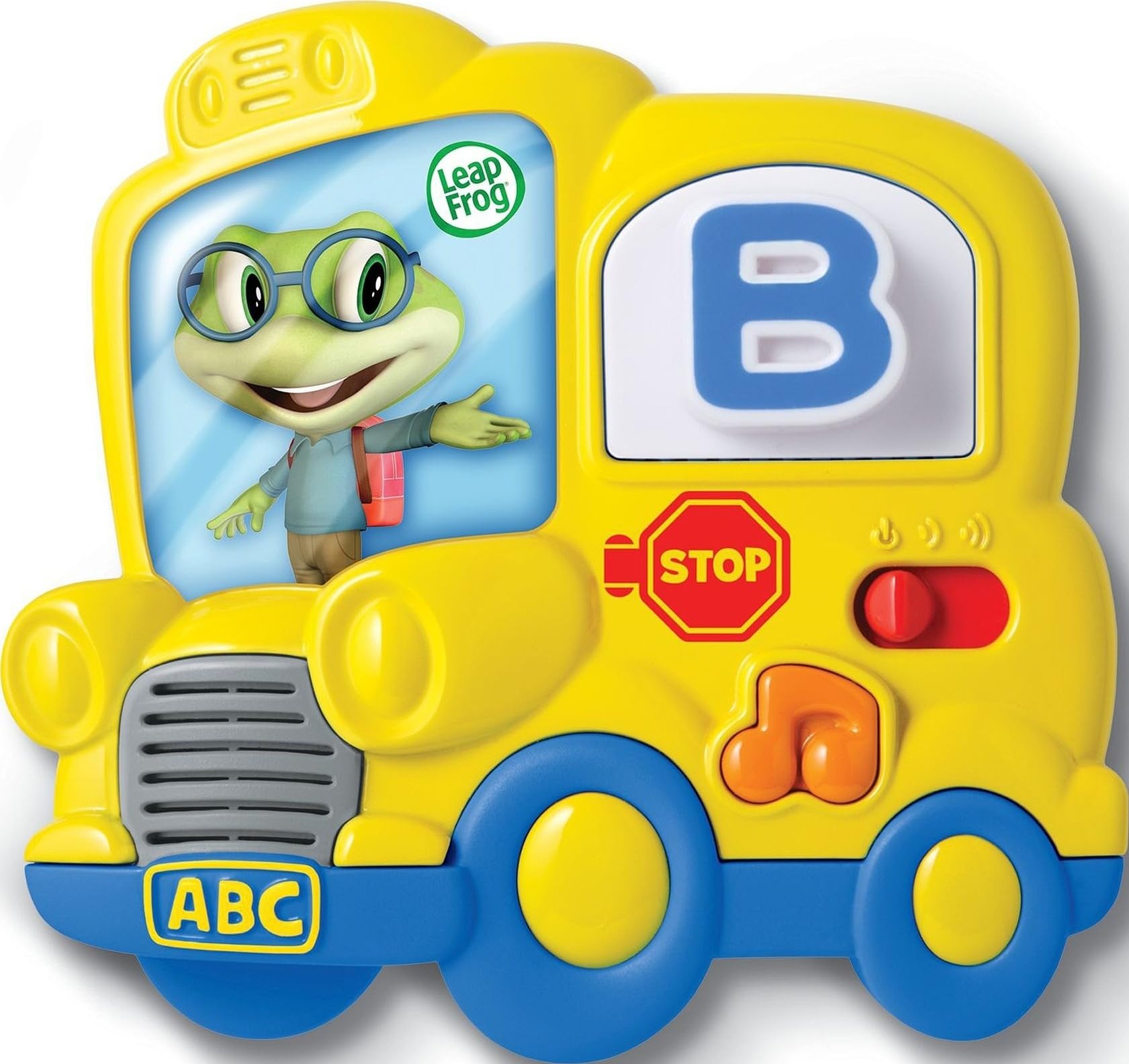
LeapFrog Fridge Phonics

LeapFrog Fridge Phonics

Toddler letter recognition

Customer rating 4.8/5
Check Price

Worth Noting

  • When kids match audio to printed letters, certain letter sounds can be hard to hear clearly
Age Range
Ages 1-4
Phonics Scope
Letter names, sounds
Letter Inventory
26 magnetic tiles
Included Workspace
Talking bus reader
Read the full review

Verified letter-name and letter-sound learning arrives in a durable, engaging talking bus that mounts to the fridge and plays letter sounds as toddlers press tiles in. It cannot build words — tiles trigger sounds rather than assembling into spellings — so families at the word-building stage should look to the magnetic tile kits.

Bottom line: Best for 1–4 year olds in the letter-name and letter-sound stage; once word-building begins, a tile set takes over.

#7

JoyCat Magnetic Letters Kit

JoyCat Magnetic Letters Kit

Budget alphabet kit

Customer rating 4.9/5
Check Price

Worth Noting

  • A built word can slip when an occasional tile's magnet grip is weak.
Age Range
Pre-K/K
Phonics Scope
Plain alphabet
Letter Inventory
234 letters, lowercase-heavy
Included Workspace
Double-sided board, case
Read the full review

Full-cover magnets on 234 lowercase-heavy letters hold firmly to the double-sided writing board, and the slotted case keeps every tile arranged for immediate word building. The kit mirrors the top pick in layout with nothing extra to elevate it — no digraph or vowel-team tiles — making it a home letter-sound tool rather than a structured phonics system for classrooms.

Bottom line: Best for budget-focused families who want a complete board-and-letters setup for home spelling practice and will check the magnets on arrival.

#8

hand2mind Phonics Tiles

hand2mind Phonics Tiles

Whiteboard phonics work

Customer rating 4.8/5
Check Price

Worth Noting

  • Frames can leave rough edges on tiles unless pressed carefully when punching out.
Age Range
K-2 small groups
Phonics Scope
Digraphs, vowel teams, hearts
Letter Inventory
582 grapheme tiles
Included Workspace
6 vinyl pouches
Read the full review

Color-coded tiles cover consonants, vowels, digraphs, and variant vowels on one tile each, so phonics groups can build complete words on any whiteboard. The classroom-grade Advancing set pairs with mats and trays for deeper teaching, the only reason this tile-only option sits lower — some frames may release tiles with rough edges.

Bottom line: For educators running small-group phonics on a whiteboard, this set delivers full grapheme depth — provided you bring your own board and storage.

#9

Gojmzo Wooden CVC Game

Gojmzo Wooden CVC Game

Budget CVC practice

Customer rating 4.7/5
Check Price

Worth Noting

  • When a card calls for a missing letter (q, y, or z reported), the activity can stall.
Age Range
Ages 3-7
Phonics Scope
CVC words only
Letter Inventory
53 lowercase wood blocks
Included Workspace
50 double-sided cards
Read the full review

Sturdy wooden blocks and laminated cards take daily toddler handling, and 50 double-sided CVC cards give preschoolers their first blending practice at an entry-level price. Sets can arrive missing a letter (q, y, or z reported), so check the tile inventory — occasional unit variance that keeps it below the cleaner-reviewed Coogam set.

Bottom line: Best for budget-minded parents of preschoolers who want a screen-free, tactile entry into letter blending at home.

#10

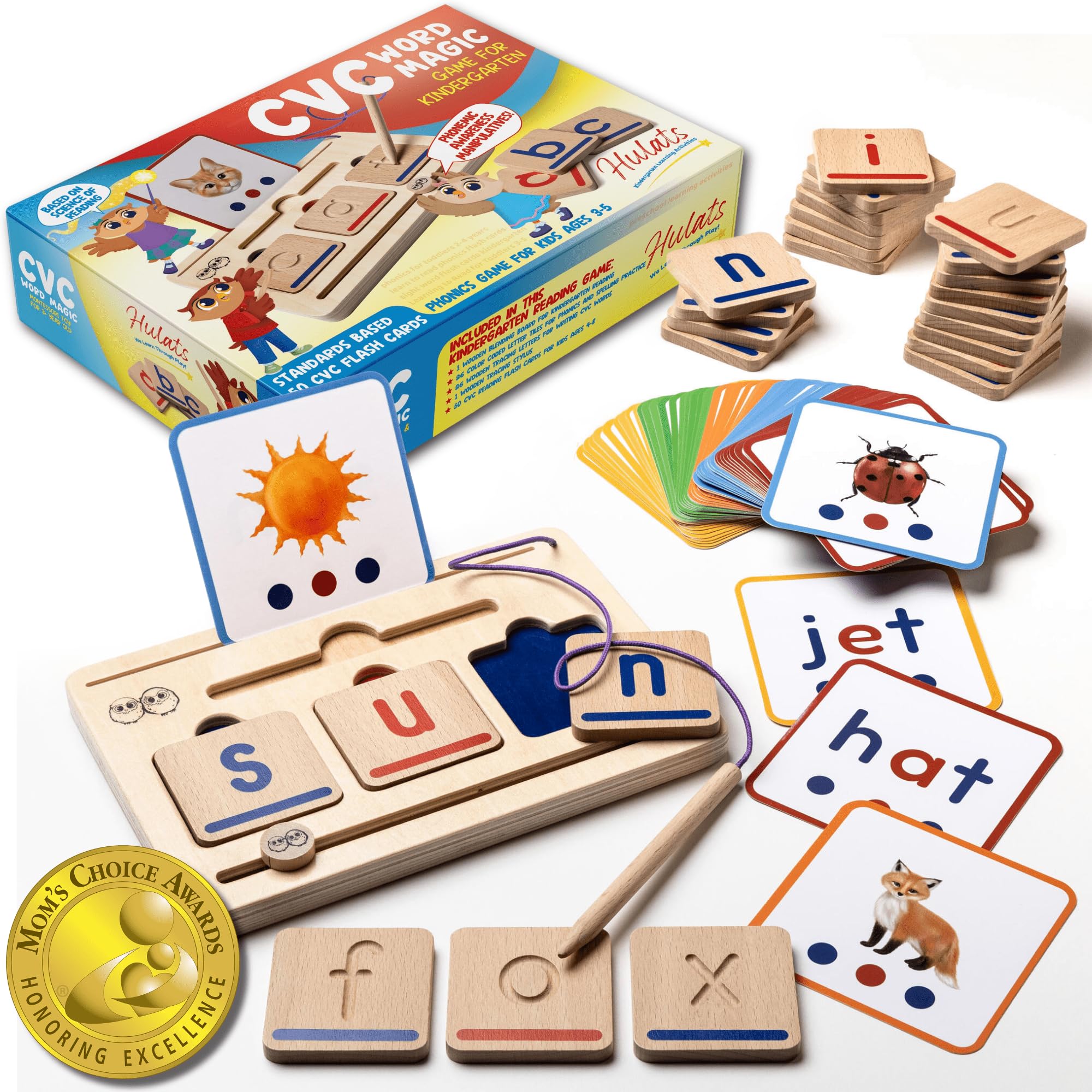
Hulats CVC Word Magic

Hulats CVC Word Magic

Multisensory blending

Customer rating 4.7/5
Check Price

Worth Noting

  • Once readers move past CVC words, the 26-letter inventory caps open-ended spelling.
Age Range
Ages 3-6
Phonics Scope
CVC words only
Letter Inventory
26 wooden letter tiles
Included Workspace
Blending board, stylus
Read the full review

Beechwood tiles pair a blending board with a tracing stylus, so spelling practice doubles as pencil-grip work that tactile learners absorb well. The 26-letter set is tuned to CVC word building — real orthographic-mapping practice for beginners, but it reaches a ceiling once readers move past three-letter words to broader spelling.

Bottom line: Parents of tactile learners ages 3–6 who want letter sounds reinforced through touch will find the tracing-plus-blending format of real value, as long as three-letter CVC words are the target.

How to Choose

Letter Inventory and Case

Lowercase-first matters because early readers decode lowercase print almost exclusively, books, worksheets, and classroom walls are all lowercase. Several top-rated kits ship uppercase-only tiles, forcing kids to translate every word into a case they rarely see. Choose a set that leads with lowercase letter shapes.

Multiples matter just as much. A single copy of each letter locks kids out of any word with a repeated letter, 'spelling' needs two e's and two l's. Kits with multiple full A-Z sets, or a lowercase-heavy inventory, let children build real words and sentences instead of stopping at three-letter CVC strings.

Material and Magnet Durability

Magnetic foam tiles with full-cover magnets hold firmly to boards, but a minority of tiles in any kit can have a weaker hold, noticeable when a letter slides off mid-spelling. It is a frustration issue, not a safety one.

Non-magnetic wooden tiles sidestep magnet variability entirely, but they rely on trays or a blending board to stay organized, the workspace becomes the real constraint. Thin hollow plastic tiles are the weak option, with static cling making them stick together in the storage bin.

Included Workspace

The board, tray, or folder determines how a session actually runs. A magnetic board suits fridge or tabletop word building; slotted trays keep wooden tiles sorted; word-building folders separate consonants and vowels for structured blending. Kits missing a workspace force you to supply your own, which often means tiles end up loose.

Phonics Scope

A plain alphabet covers letter names, sight words, and simple CVC building. Structured phonics instruction needs more: digraphs like sh and ch, vowel teams like ai and oa, and heart-word tiles for irregular spellings. These appear only in grapheme kits that color-code consonants, vowels, and tricky patterns.

Age and Grade Fit

Toddlers benefit most from interactive letter-recognition toys that skip fine-motor word building. K-2 learners need grapheme depth and enough letters to manipulate real words. Matching the set to the reading phase is the single biggest predictor of whether it actually gets used.

Frequently Asked Questions