Sensory & Accessibility Product Guide

11 Best Dyslexia Friendly Books of 2026: Kids Actually Finish

Dyslexia-friendly books that pair accessible layouts with stories kids actually want to finish, matched to your child's age and reading level.

11 Best Dyslexia Friendly Books of 2026: Kids Actually Finish editorial illustration

Many books carry a 'dyslexia-friendly' label, but the term covers two very different things: books about dyslexic characters and books actually reformatted for easier reading. The accessible ones earn the label through layout - wider line spacing, chunked paragraphs, and fonts that reduce letter confusion. Sorting those two apart is where most buyers stumble.

Formatting only carries a reader halfway. A beautifully typeset book still gets abandoned when the plot feels like a classroom worksheet. Decodable series, in particular, can read as drills unless the author works at the story. The books that stick pair easy-to-scan pages with narratives kids genuinely want to continue.

The right match depends on the reader: their decoding stage, whether they respond to humor or mystery or interactive choices, and whether they need systematic phonics or mainly less visual strain. Matching the book to the child matters more than any single formatting feature.

#1

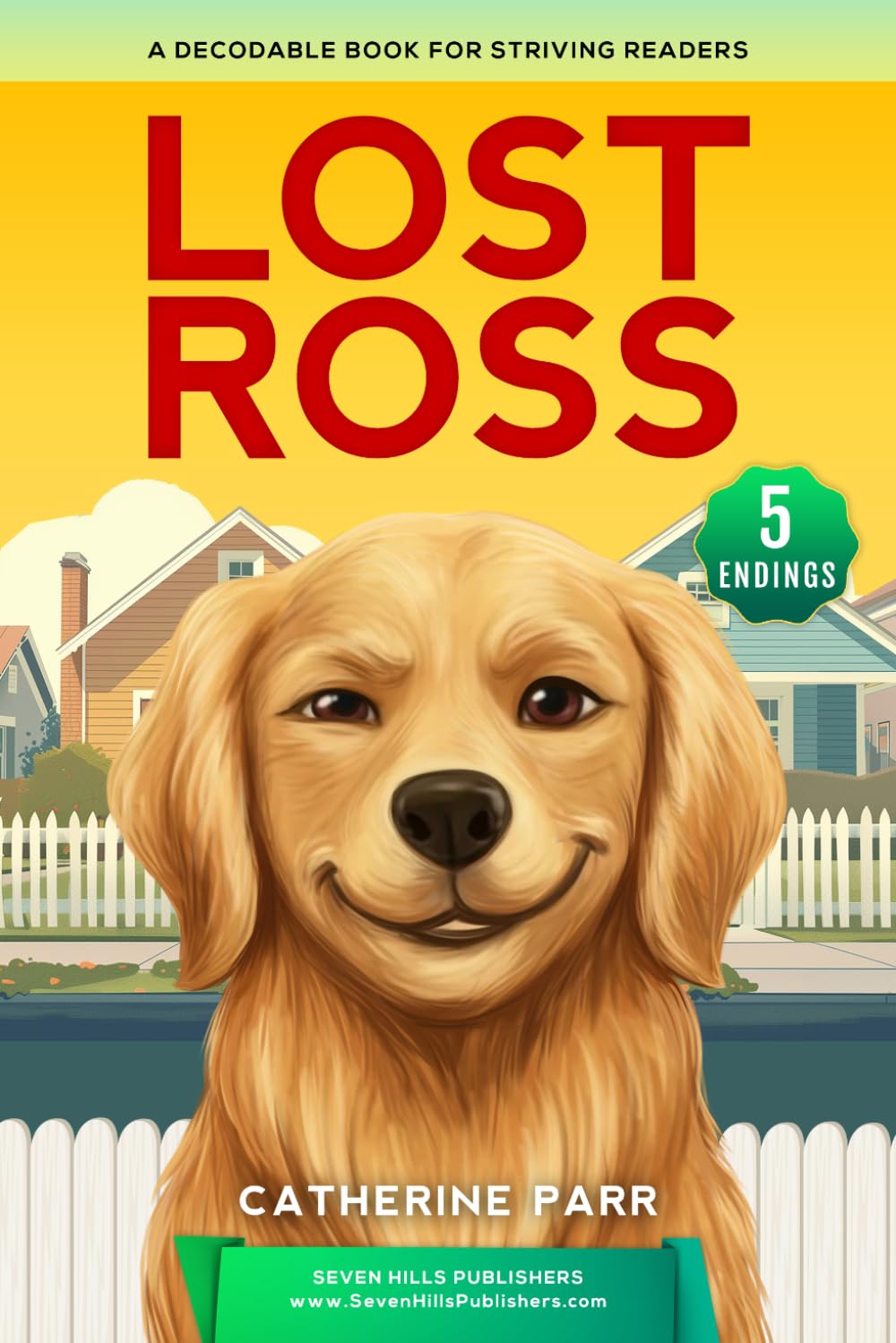
Lost Ross

Lost Ross

Interactive early readers

Customer rating 4.7/5
Check Price

Worth Noting

  • Branch-to-branch jumps can feel disjointed for readers who prefer one uninterrupted story.
  • Controlled decodable vocabulary keeps plot complexity light
Series
—
Age Range
7-9 years
Plot Style
Interactive, multi-ending
Page Layout
—
Read the full review

Lost Ross is the only decodable in this set that rewards rereading — each branch leads to a fresh ending, so kids practice the same phonics patterns without reading the same page twice. The layout keeps text approachable for dyslexic readers with short chapters and open spacing, and the branching choices make returning to the book feel like a game rather than a chore.

Best for kids ages 7-9 with dyslexia or reading challenges who resist rote practice — the interactive format converts decoding into play. At 76 pages it is a quick finish, so pairing it with a follow-up title keeps the habit going. Readers who want a long continuous narrative or a multi-book arc will find fuller options elsewhere in this set.

Bottom line: The interactive twist makes Lost Ross the rare decodable a reluctant reader picks up twice. For a 7-9-year-old needing decoding support without a drill, this is the title to start with.
#2

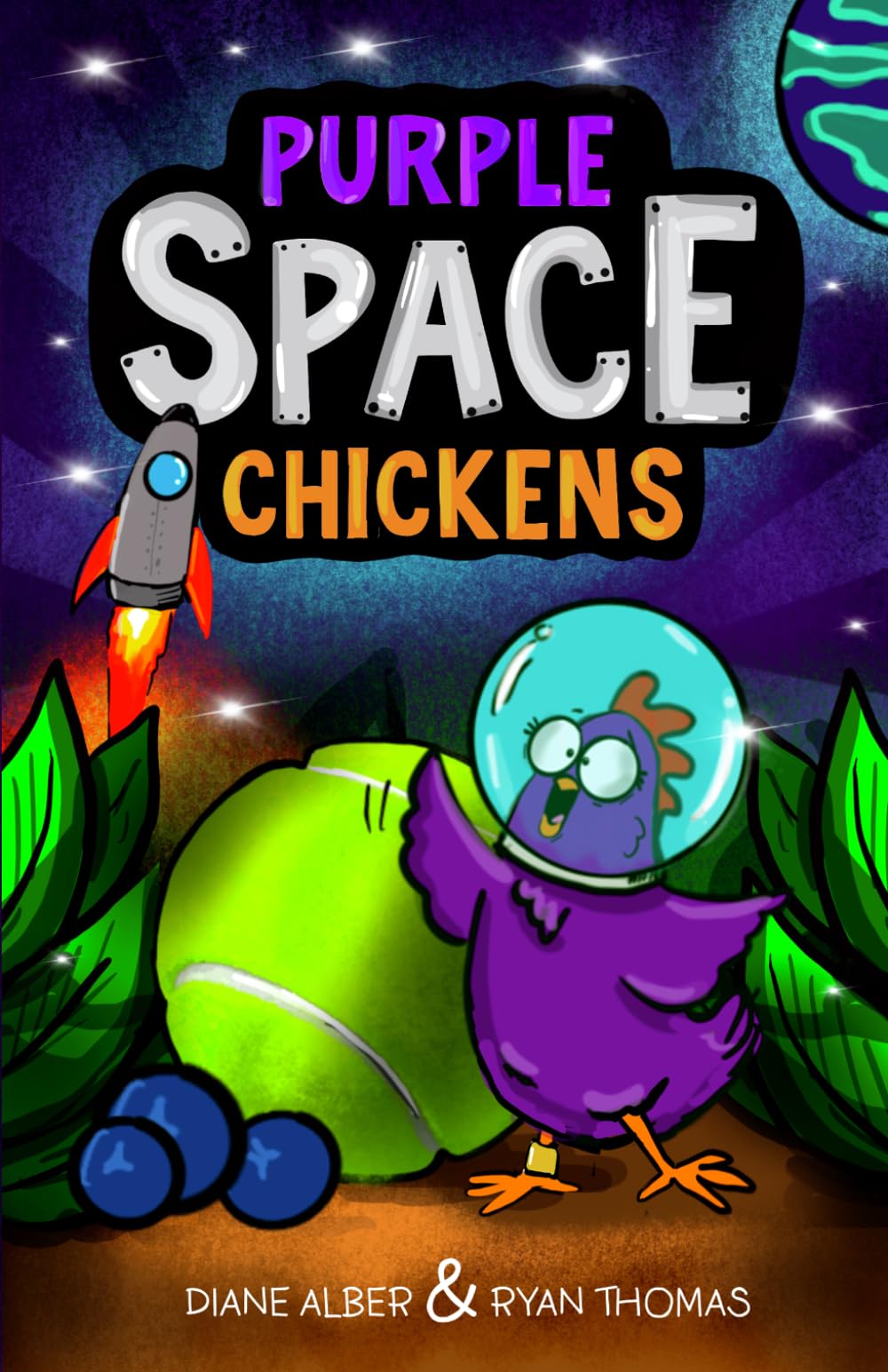
Purple Space Chickens

Purple Space Chickens

Humor series fans

Customer rating 4.7/5
Check Price

Worth Noting

  • Cliffhanger endings can frustrate readers who want each book to wrap up cleanly.
Series
Yes, multi-book
Age Range
7-9 years
Plot Style
Humorous, cliffhangers
Page Layout
Dyslexia-friendly
Read the full review

Purple Space Chickens builds a reading habit through a goofy sci-fi plot and cliffhanger endings that pull kids into the next book — the story genuinely excites young readers. That serialized momentum sets it apart from the top pick's single interactive read: instead of one choice-driven book, this is a series that keeps a dyslexic child asking for more. The cliffhanger structure can frustrate readers who want each volume to close cleanly, so it suits 6- to 10-year-olds who love silly space humor and a family ready to move through the books in order.

Have the next installment on hand — cliffhangers resolve in the following book.

Bottom line: This is the pick for families who want a bingeable series that keeps a dyslexic child reading book after book — just be ready to continue to the next installment when a cliffhanger lands.

#3

Five Chapter Books 1

Five Chapter Books 1

Structured phonics practice

Customer rating 4.5/5
Check Price

Worth Noting

  • For readers who reach for books on their own, the practical plots hold less pull than story-driven series.
Series
Yes, series
Age Range
4-17 years
Plot Style
Minimal plots
Page Layout
—
Read the full review

Five Chapter Books 1 scaffolds reading through an Orton-Gillingham sequence, each chapter adding sounds and spellings in a controlled order that educators and tutors can follow lesson by lesson. The 184-page set hands beginning readers a steady ladder of decodable text rather than a single quick win, which is why it pairs naturally with structured literacy programs.

The strongest fit is a family or tutor already running explicit phonics instruction — the series slots into that routine with predictable, measurable progress. The trade-off is engagement: stories lean practical rather than dramatic, so children who need plot hooks will respond better to the top pick's choose-your-own-adventure format, which rewards rereading through choice.

Read one chapter per session and revisit earlier ones — the steady ladder of sounds sticks best when practice stays short and regular.

Bottom line: For families and tutors committed to explicit phonics instruction, this is the most structured decodable in the set — choose it when skill-building outranks spectacle.

#4

ESV Bible Dyslexia-Friendly

ESV Bible Dyslexia-Friendly

Scripture accessibility

Customer rating 4.8/5
Check Price

Worth Noting

  • In bright light, the next page's text can show through the thin sheets.
Series
No
Age Range
All ages
Plot Style
Scripture text
Page Layout
Custom font, overlays
Read the full review

The custom font, generous spacing, and colored overlay sheets genuinely reduce the visual strain of reading Scripture — the accessibility work here is real, not just a label. At 1,696 pages it delivers the complete Bible text in a format tuned for sustained reading rather than quick skimming, and the binding holds up to daily handling.

This suits Christians with dyslexia — teens and adults who want spiritual reading without the struggle — plus families seeking a durable accessible Bible. The premium price sits above budget-friendly options, and thin paper lets the next page show through under bright light; both are honest tradeoffs to weigh before purchase.

Rest the Bible on a dark surface when reading in bright light to soften page show-through.

Bottom line: For dyslexic believers who want the full Scriptural text without visual strain, this premium edition delivers what the label promises.

#5

D.A.R.E Detectives: Lovett Lane

D.A.R.E Detectives: Lovett Lane

Older mystery fans

Customer rating 4.5/5
Check Price

Worth Noting

  • Skips explicit phonics scaffolding
Series
Yes, series
Age Range
8-11 years
Plot Style
Mystery whodunit
Page Layout
Dyslexia-friendly font
Read the full review

A true whodunit, this 106-page chapter book hands reluctant readers a real mystery — suspects, clues, and a satisfying reveal — all set in a dyslexia-friendly font and generous layout. Kids pulled into the plot keep reading past the point where other accessible titles lose them.

Best for 8-12 year olds who love mysteries and need a high-interest engine to stay motivated; teachers find it works well as an accessible classroom read. Voracious readers may outgrow the plot's simplicity, but for the reluctant reader it lands right in the sweet spot.

Bottom line: For a reluctant 8-12 year old who loves mysteries, this budget-friendly chapter book pairs real storytelling with genuinely accessible layout.

#6

Animal Farm (Barrington)

Animal Farm (Barrington)

Classics for teens

Customer rating 4.7/5
Check Price

Worth Noting

  • The mid-range price reflects the specialized formatting and can run higher than a standard paperback.
  • Full-length prose demands more stamina than a decodable, so hesitant readers may stall partway.
Series
No
Age Range
12+ years
Plot Style
Classic allegory
Page Layout
Barrington Stoke format
Read the full review

Animal Farm presents the complete, unedited Orwell text — not a simplified retelling — in Barrington Stoke's established dyslexic-friendly layout. Generous spacing, cream-toned paper, and a readable typeface ease visual strain across the full 256-page novel, letting teens and adults engage with real literary weight instead of a condensed version.

This suits dyslexic teens and adults who want genuine classic literature, along with schools seeking accessible set texts. The 12+ reading level and full-length prose place it beyond younger children and very early readers, so its reach is narrower than the story-driven picks in this set. It earns the runner-up spot by offering literary depth that the decodables and picture books don't attempt.

For readers still building stamina, break the novel into short scheduled sessions rather than expecting one sitting.

Bottom line: The strongest accessible classic for teens, adults, and school reading lists — gate it to readers with stamina for a full novel.

#7

Accidental Minecraft Family

Accidental Minecraft Family

Gamer-motivated readers

Customer rating 4.8/5
Check Price

Worth Noting

  • The premise only pulls in children who already love Minecraft - kids outside that fanbase won't find the hook.
Series
Yes, series
Age Range
7-14 years
Plot Style
Minecraft-based story
Page Layout
Dyslexia adapted
Read the full review

A high-interest Minecraft story that turns gaming obsession into daily reading practice, the adapted layout and generous spacing keep text approachable for middle-grade struggling readers. The draw is deliberately narrow - a child without a Minecraft connection won't respond to the premise, which makes this a strong match for dedicated fans rather than general audiences.

Bottom line: The right fit is a Minecraft-loving 8-12 reader who needs a high-interest, low-stress entry into chapter books - the niche premise is exactly what makes it click for that child.

#8

Diary of a Famous Cat

Diary of a Famous Cat

Pet-story lovers

Customer rating 4.6/5
Check Price

Worth Noting

  • For readers 10 and up who want more complex plots, the gentle humor can feel mild
Series
Yes, series
Age Range
6-10 years
Plot Style
Humorous cat diary
Page Layout
Dyslexia & ADHD friendly
Read the full review

The lighthearted diary format and friendly pacing make this an approachable confidence-builder for reluctant readers aged 6-10. It covers the same age and humor ground as the Purple Space Chickens series, so it didn't stand apart enough to top this set — but the gentle cat-with-a-purpose story suits kids who prefer realistic animal tales over sci-fi chaos.

Bottom line: Use it when a child aged 6-10 prefers gentle, realistic animal humor over sci-fi — it delivers reading confidence in a calm, friendly format.

#9

Jurassic Adventure

Jurassic Adventure

Dino-themed quick reads

Customer rating 4.8/5
Check Price

Worth Noting

  • A one-off title with no sequel, so the reading momentum stops when the story ends.
Series
—
Age Range
7-12 years
Plot Style
Dinosaur adventure
Page Layout
Dyslexia friendly
Read the full review

This 37-page dinosaur tale gives very young readers a quick low-stakes win, with an accessible layout that eases decoding strain. Its brevity suits a single-sitting confidence boost, not a sustained chapter habit, and the ease-of-reading claims carry no verified reader feedback behind them.

Bottom line: Best as a low-pressure first solo read for a very young dinosaur enthusiast.

#10

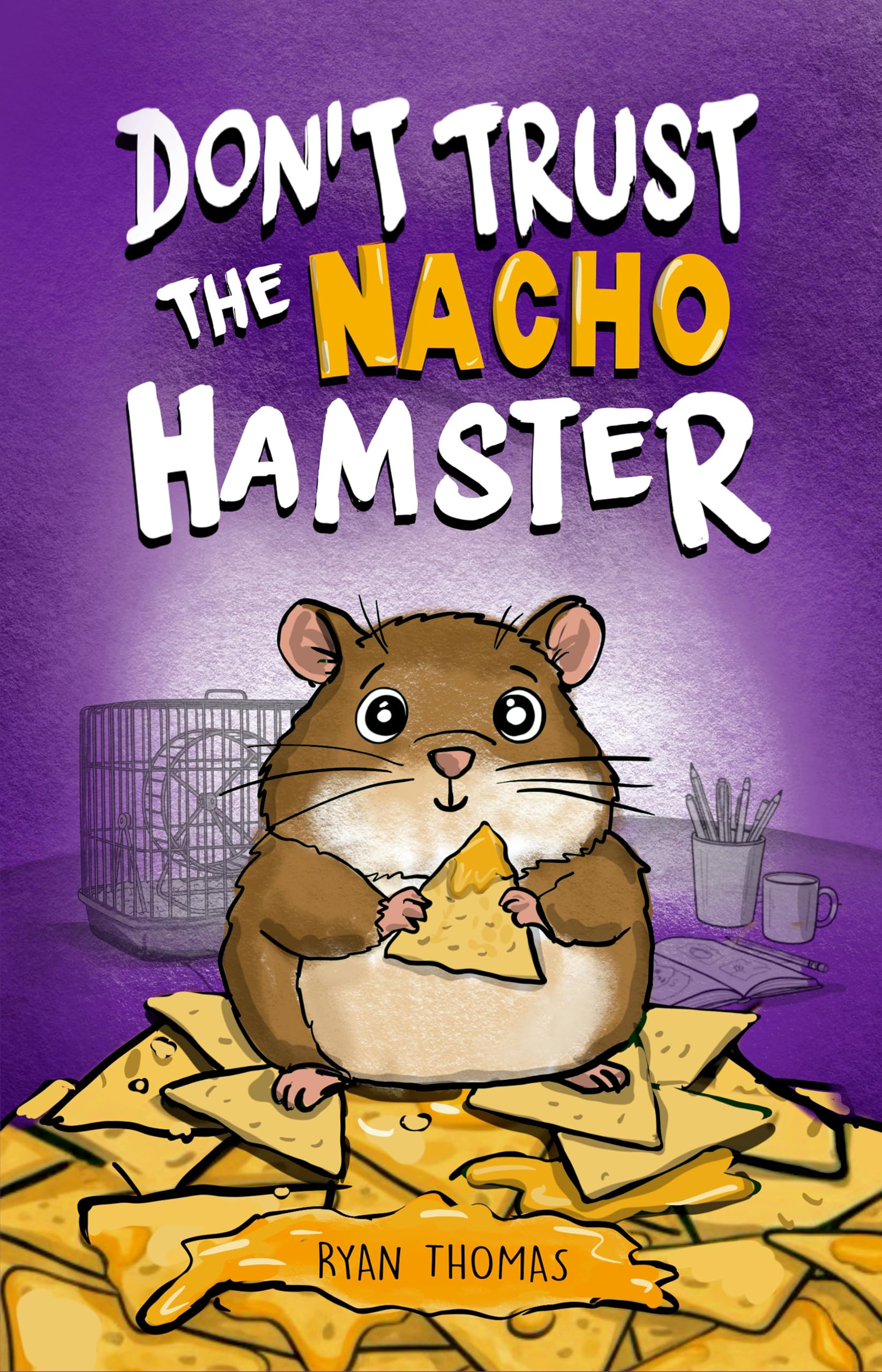
Don't Trust Nacho Hamster

Don't Trust Nacho Hamster

Quirky humor fans

Customer rating 4.4/5
Check Price

Worth Noting

  • Offbeat tone won't resonate with every reader
Series
—
Age Range
6-11 years
Plot Style
Quirky humor
Page Layout
Dyslexia & ADHD friendly
Read the full review

Don't Trust The Nacho Hamster brings a distinct comedic voice to the dyslexia and ADHD-friendly line, its absurdist humor appealing to kids who enjoy offbeat titles. The 106-page format supports readability without leaning on systematic phonics. Quality hasn't been independently verified, so it fits families who weigh a title's own merits over outside feedback.

Bottom line: Best for families who value a fresh comedic voice and are comfortable judging quality from the title's own merits.

#11

Tiny and Mighty

Tiny and Mighty

Gentle dog stories

Customer rating 4.8/5
Check Price

Worth Noting

  • Gentle pacing can feel slow for children who want quick-moving action
Series
—
Age Range
6-10 years
Plot Style
Gentle dog story
Page Layout
Dyslexia friendly
Read the full review

This heartwarming story of a small dog finding its purpose moves at a calm, reassuring pace for emerging readers who need encouragement over excitement. As the newest release in this line, it has yet to build the reputation of the longer-running series. For tender readers wanting a gentle animal tale, that slower rhythm is the appeal.

Bottom line: Choose this when a tender or hesitant reader needs a warm, low-pressure animal story — not for kids who demand fast-paced plots.

How to Choose

Match Reading Level, Not Age

The age on the cover assumes typical decoding skills, which most dyslexic readers don't have. A 10-year-old may read at a first-grade level, so vocabulary and sentence length matter more than the printed age range. Books pitched too high create frustration; books pitched too low bore an older child who wants mature plots.

Look Beyond the Font

Wider line spacing and extra white space reduce the visual crowding that makes letters blur or jump. When lines sit close together, the eye loses its place and re-reads the same row - a fast route to fatigue. Larger type alone doesn't solve this if spacing stays tight.

Paper quality matters too. Thin stock lets text from the next page show through, adding visual noise that interferes with line tracking. That's why some budget editions undercut their own accessibility features.

Decodable Books Explained

A dyslexia-friendly font eases visual strain, but a decodable book controls the actual letter-sound patterns, limiting vocabulary to sounds the reader has already learned. That structure lets a beginner sound words out successfully rather than guess. The trade-off: decodable text is more predictable and less literary, so the stories can feel flat.

The best decodable titles work around this by building the plot around controlled vocabulary rather than dumbing it down. Look for books that pair a systematic phonics progression with genuine characters and conflict.

Plot Drives Persistence

Formatting gets a reader started; the story keeps them going. Kids abandon well-designed books when the narrative feels like a chore, and they push through harder passages when humor, mystery, or a cliffhanger gives them a reason. Engagement creates the repeated reading that actually builds fluency.

Buy With the Series in Mind

A series gives a struggling reader a familiar world to return to, removing the effort of orienting to new characters and settings on every book. That continuity keeps momentum between volumes. The trade-off: cliffhanger endings that fuel binge-reading can frustrate kids who want closure in each installment.

Match the ending style to your child's temperament. A child who tolerates suspense will thrive on a series with strong hooks; one who needs resolution may prefer volumes that wrap up cleanly.

Frequently Asked Questions